Skip to content

The Poet Index · Entry 047

Horace
Poems

Lifespan
-64–-7
Nationality
Ancient Rome
Indexed Works
121

It showcases Horace's talent for blending pleasure with philosophical ideas — an ideal introduction to his voice that doesn’t need any prior knowledge.

Editorial intro

Nikola Gulevski, Editor, Storgy

About our editor →

Editorial intro

Horace turned cowardice into a literary credential. At the Battle of Philippi in 42 BC, he dropped his shield and ran, then wrote about it, citing a Greek poet who had done the same, as if embarrassment were just another tool in the kit. No other Roman poet of his stature made self-deprecation work that hard, and that instinct runs through everything he wrote: a man who fought on the losing side of a civil war, watched his family's property get confiscated, and still found a way to make the good life sound worth pursuing.

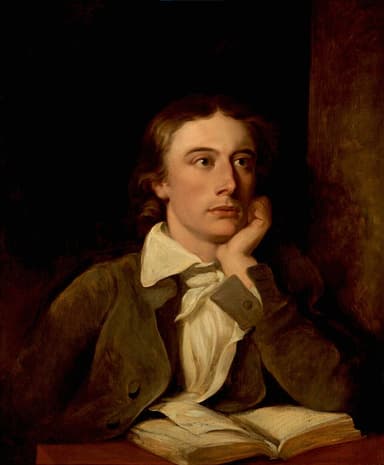
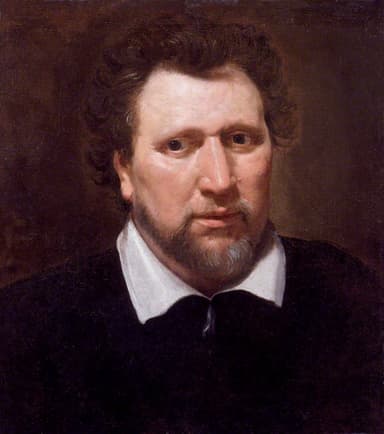
He sits at the center of Western lyric poetry in a way that is easy to underestimate because his influence is everywhere and invisible. Poets from Ben Jonson to Keats absorbed his sense of proportion — the idea that a poem should feel inevitable, not effortful. Modern readers coming to him for the first time are usually surprised by two things: how funny he is, and how genuinely the friendship and the Sabine farm matter to him. This is not a poet performing contentment. The *Odes* in particular reward slow reading — each one is a small argument about how to spend a life, made with the kind of precision that appears effortless after a lot of work.

Where to start

The Works

Sort byYearTitle
  1. 01A DITHYRAMBIC, OR DRINKING SONG.Undated
  2. 02A DITHYRAMBIC.Undated
  3. 03A HYMN.Undated
  4. 04AGAINST AVARICE AND LUXURY.Undated
  5. 05AGAINST CASSIUS SEVERUS.Undated
  6. 06AGAINST MAEVIUS.Undated
  7. 07AGAINST THE DEGENERACY OF THE ROMAN YOUTH.Undated
  8. 08AGAINST THE EPICURIANS.Undated
  9. 09AGAINST THE LUXURY OF THE ROMANS.Undated
  10. 10ARCHYTAS.Undated
  11. 11CANIDIA'S ANSWER.Undated
  12. 12DIALOGUE BETWEEN HORACE AND CANIDIA.Undated
  13. 13HYMN TO APOLLO.Undated
  14. 14ODE V.Undated
  15. 15ODE XIII. TO THE BANDUSIAN FOUNTAIN.Undated
  16. 16ODE XXXVI.Undated
  17. 17ON CONTENTMENT.Undated
  18. 18ON DIANA AND APOLLO.Undated
  19. 19ON HIS OWN WORKS.Undated
  20. 20ON STEADINESS AND INTEGRITY.Undated
  21. 21ON THE RECOVERY OF THE STANDARDS FROM PHRAATES.Undated
  22. 22REVISED BYUndated
  23. 23SATIRE I.Undated
  24. 24SATIRE II.Undated
  25. 25SATIRE III.Undated
  26. 26SATIRE IV.Undated
  27. 27SATIRE IX.Undated
  28. 28SATIRE V.Undated
  29. 29SATIRE VI.Undated
  30. 30SATIRE VII.Undated
  31. 31SATIRE VIII.Undated
  32. 32SATIRE X.Undated
  33. 33THE PRAISE OF DRUSUS.Undated
  34. 34THE PRAISES OF A COUNTRY LIFE.Undated
  35. 35THE WITCHES MANGLING A BOY.Undated
  36. 36THE WORKS OF HORACEUndated
  37. 37TO A FRIEND.Undated
  38. 38TO A TREE.Undated
  39. 39TO A WOMAN WHOSE CHARMS WERE OVER.Undated
  40. 40TO A YOUNG LADY HORACE HAD OFFENDED.Undated
  41. 41TO AELIUS LAMIA.Undated
  42. 42TO AGRIPPA.Undated
  43. 43TO ALBIUS TIBULLUS.Undated
  44. 44TO ANTONIUS IULUS.Undated
  45. 45TO APOLLO AND DIANA.Undated
  46. 46TO APOLLO.Undated
  47. 47TO ARISTIUS FUSCUS.Undated
  48. 48TO ASINIUS POLLIO.Undated
  49. 49TO ASTERIE.Undated
  50. 50TO AUGUSTUS CAESARUndated
  51. 51TO AUGUSTUS, ON THE RESTORATION OF PEACE.Undated
  52. 52TO AUGUSTUS.Undated
  53. 53TO BARINE.Undated
  54. 54TO BULLATIUS.Undated
  55. 55TO C. NEUMONIUS VALA.Undated
  56. 56TO CALLIOPE.Undated
  57. 57TO CELSUS ALBINOVANUS.Undated
  58. 58TO CHLOE.Undated
  59. 59TO CHLORIS.Undated
  60. 60TO CLAUDIUS TIBERIUS NERO.Undated
  61. 61TO CRISPUS SALLUSTIUS.Undated
  62. 62TO DIANA.Undated
  63. 63TO FORTUNE.Undated
  64. 64TO GALATEA, UPON HER GOING TO SEA.Undated
  65. 65TO GLYCERA.Undated
  66. 66TO GROSPHUS.Undated
  67. 67TO HIS BOOK.Undated
  68. 68TO HIS COMPANIONS.Undated
  69. 69TO HIS JAR.Undated
  70. 70TO HIS LYRE.Undated
  71. 71TO HIS SERVANT.Undated
  72. 72TO HIS STEWARD.Undated
  73. 73TO ICCIUS.Undated
  74. 74TO JULIUS FLORUS.Undated
  75. 75TO LEUCONOE.Undated
  76. 76TO LICINIUS MURENA.Undated
  77. 77TO LIGURINUS.Undated
  78. 78TO LOLLIUS.Undated
  79. 79TO LYCE.Undated
  80. 80TO LYDE.Undated
  81. 81TO LYDIA.Undated
  82. 82TO MAECENAS.Undated
  83. 83TO MARCIUS CENSORINUS.Undated
  84. 84TO MARCUS LOLLIUS.Undated
  85. 85TO MELPOMENE.Undated
  86. 86TO MENAS.Undated
  87. 87TO MERCURY.Undated
  88. 88TO MUNATIUS PLANCUS.Undated
  89. 89TO NEAERA.Undated
  90. 90TO NEOBULE.Undated
  91. 91TO NUMICIUS.Undated
  92. 92TO PARIS.Undated
  93. 93TO PECTIUS.Undated
  94. 94TO PHIDYLE.Undated
  95. 95TO PHYLLIS.Undated
  96. 96TO POMPEIUS VARUS.Undated
  97. 97TO POSTUMUS.Undated
  98. 98TO PYRRHA.Undated
  99. 99TO PYRRHUS.Undated
  100. 100TO QUINCTIUS.Undated
  101. 101TO QUINTIUS HIRPINUS.Undated
  102. 102TO QUINTUS DELLIUS.Undated
  103. 103TO SCAEVA.Undated
  104. 104TO SEPTIMUS.Undated
  105. 105TO SEXTIUS.Undated
  106. 106TO TELEPHUS.Undated
  107. 107TO THALIARCHUS.Undated
  108. 108TO THE COVETOUS.Undated
  109. 109TO THE ROMAN PEOPLE.Undated
  110. 110TO THE ROMAN STATE.Undated
  111. 111TO THE ROMANS.Undated
  112. 112TO THE SHIP, IN WHICH VIRGIL WAS ABOUT TO SAIL TO ATHENS.Undated
  113. 113TO TITUS VALGIUS.Undated
  114. 114TO TORQUATUS.Undated
  115. 115TO TYNDARIS.Undated
  116. 116TO VARUS.Undated
  117. 117TO VENUS.Undated
  118. 118TO VINNIUS ASINA.Undated
  119. 119TO VIRGIL.Undated
  120. 120TO XANTHIAS PHOCEUS.Undated
  121. 121UPON A WANTON OLD WOMAN.Undated

Recurring themes

Biographical record

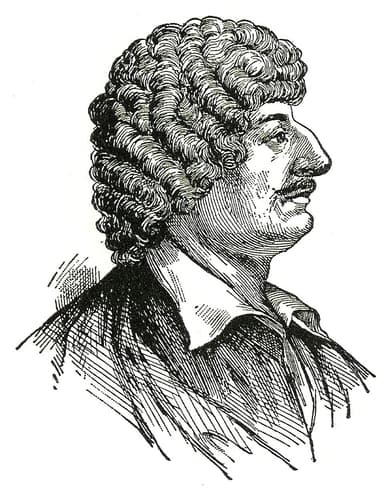
About Horace

Horace, whose full name was Quintus Horatius Flaccus, was born in 65 BC in Venusia, a small town in southern Italy. He was the son of a freed slave who worked as a tax collector. This background was significant in his life. His father managed to save enough money to take Horace to Rome and later to Athens for a proper education, a debt Horace never forgot. He wrote about his father with genuine affection, crediting him as the most important influence on his character.

When Julius Caesar was assassinated in 44 BC, Horace was studying in Athens. He got involved in the republican cause and joined Brutus's army, serving as a military tribune — a position that, as he later admitted, was slightly above his actual military skills. He fought on the losing side at the Battle of Philippi in 42 BC, and according to his own account, he dropped his shield and ran. While this admission would have been humiliating for most Roman men of his status, Horace turned it into a joke, referencing the Greek poet Archilochus, who had done something similar.

Returning to Rome, he found his family's property confiscated and his future uncertain.

He took a job as a treasury clerk while writing poetry on the side. His writing caught the attention of Virgil and Varius Rufus, who introduced him to Gaius Maecenas, the prominent literary patron of the Augustan age. Maecenas became both a friend and protector, eventually giving Horace a farm in the Sabine Hills, which he cherished for the rest of his life. This farm appears frequently in his work — it served as his escape from Rome and a testament to the value of a simple life.

Horace’s body of work can be divided into distinct categories: the *Satires*, which are sharp and conversational; the *Epodes*, his earliest and most combative poems; the *Odes*, four books of lyric poetry that became his enduring legacy; and the *Epistles*, verse letters that resemble the most civilized conversations about how to live. The rhetorician Quintilian, writing a century later, described the *Odes* as the only Latin lyrics worth reading, praising Horace's ability to be both lofty and charming, bold in his word choices without losing elegance.
Biographical span
-64Birth
-7Death

Poets in the same orbit

Reader questions

Frequently asked