Love poems are the oldest poems we have. They appear on ancient Egyptian papyrus, in Sappho's fragments, in Shakespeare's sonnets, and in a text message that someone screenshots to share with a friend at midnight. The form evolves, but the feeling remains constant.
What makes a love poem resonate isn't a grand declaration — it's the precision. The poets who capture it best are those who pay attention to the small, sometimes awkward details: the way someone laughs, a specific Tuesday morning, or the exact moment you realized something had changed. That level of detail is what distinguishes a love poem from a greeting card.
This page gathers poems about love in all its forms — both old and new, requited and unrequited, romantic and familial, filled with joy and tinged with grief. Whatever brought you here, you’ve found the right place.
The Reader's Atlas · Chapter Bonds & belonging
Poems About Love in the open canon
What do you say when words feel inadequate for what you're feeling? That's the question at the heart of nearly every love poem ever written. People seek out these poems when they're deeply in love and struggling to articulate it, when a relationship is starting to unravel, when someone they loved has left, or when…
- Indexed poems
- 655
- Indexed poets
- 114
- Short poems
- 75
§01 Opening
On love
A reader's preface to the theme — what to listen for as you move through the poems below.
Where to begin with love
Three ways in01 · Most-read entry
Adam's Curse
by W. B. Yeats, 1903
Read the line-by-line analysis, themes, and historical context for this entry in Storgy's index.
02 · Editor's pick
A New Madrigal to an Old Melody
by Alfred Noyes, 1922
Read the line-by-line analysis, themes, and historical context for this entry in Storgy's index.
03 · Counterpoint
An Open Boat
by Alfred Noyes, 1922
Read the line-by-line analysis, themes, and historical context for this entry in Storgy's index.
§03 The index
Every poem in this theme
- 01
Adam's Curse
W. B. Yeats1903PD - 02
A New Madrigal to an Old Melody
Alfred Noyes1922Excerpt - 03
An Open Boat
Alfred Noyes1922Excerpt - 04
A Prayer for my Daughter
W. B. Yeats1919PD - 05
A Red, Red Rose
Robert Burns1794PD - 06
At Baia
H. D.1921Excerpt - 07
A Valediction: Forbidding Mourning
John Donne1633PD - 08
Before You Were Mine
Carol Ann Duffy1993Excerpt - 09
Catrin
Gillian Clarke1978Excerpt - 10
Circe
H. D.1921Excerpt - 11
Cousin Kate
Christina Rossetti1862PD - 12
Dead Man's Morrice
Alfred Noyes1907Excerpt - 13
Dusting the Phone
Jackie Kay1991Excerpt - 14
Echo
Christina Rossetti1862PD - 15
Evadne
H. D.1921Excerpt - 16
For Bryher and Perdita
H. D.1925Excerpt - 17
He Wishes for the Cloths of Heaven
W. B. Yeats1899PD - 18
Home Burial
Robert Frost1914Excerpt - 19
How do I love thee? Let me count the ways (Sonnets from the Portuguese 43)
Elizabeth Barrett Browning1850PD - 20
Hymen
H. D.1921Excerpt
The remaining 635 poems about love are indexed but not yet featured here. Use the search index in the footer to surface them.
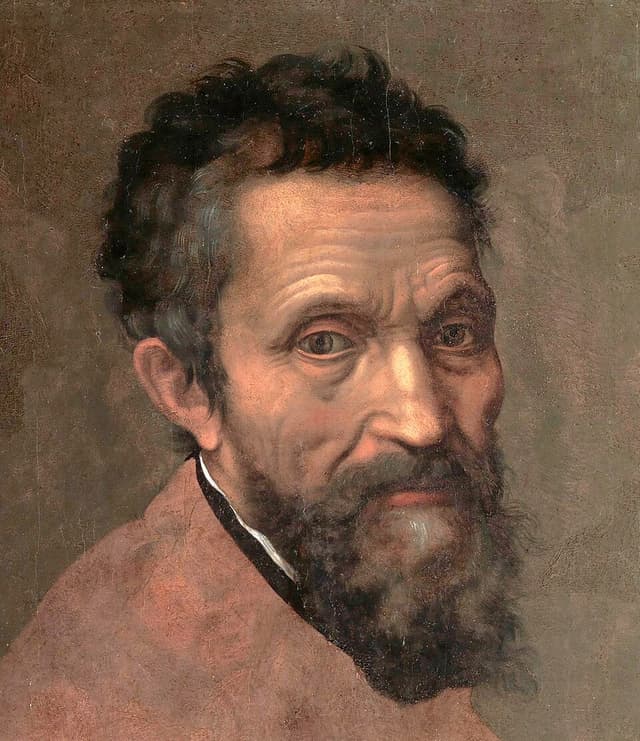
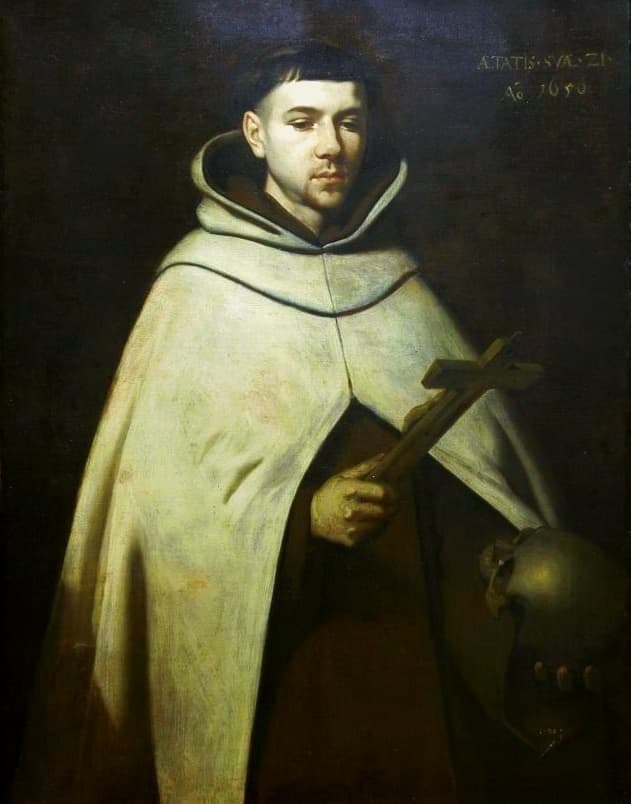
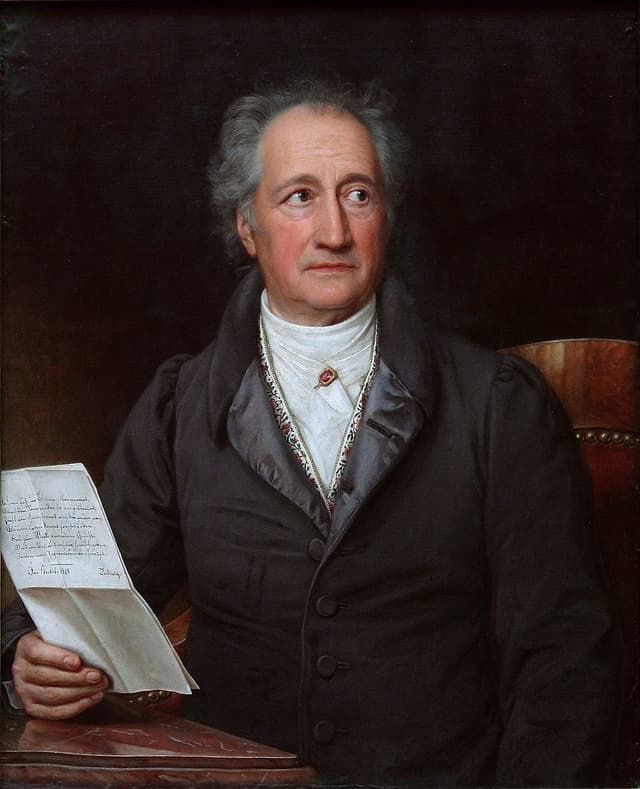
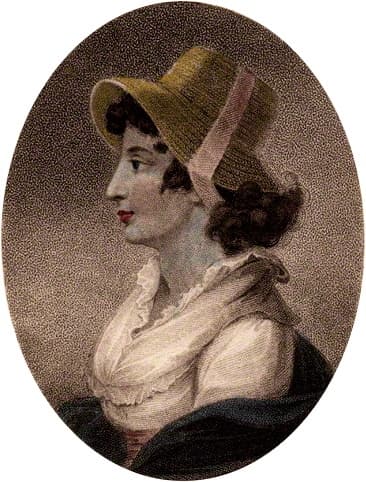
Notable poets on love
Cartography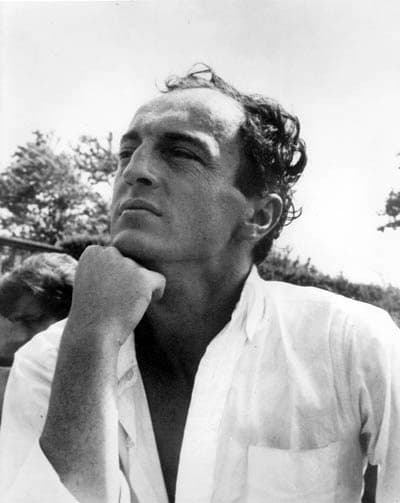
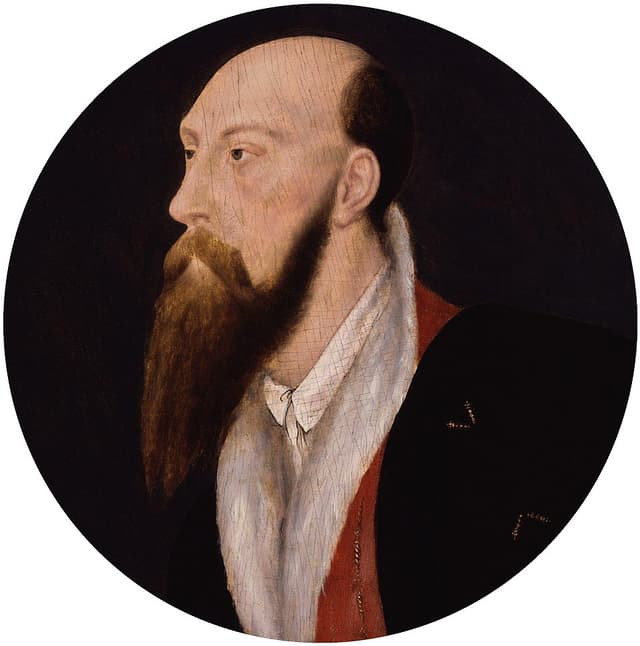
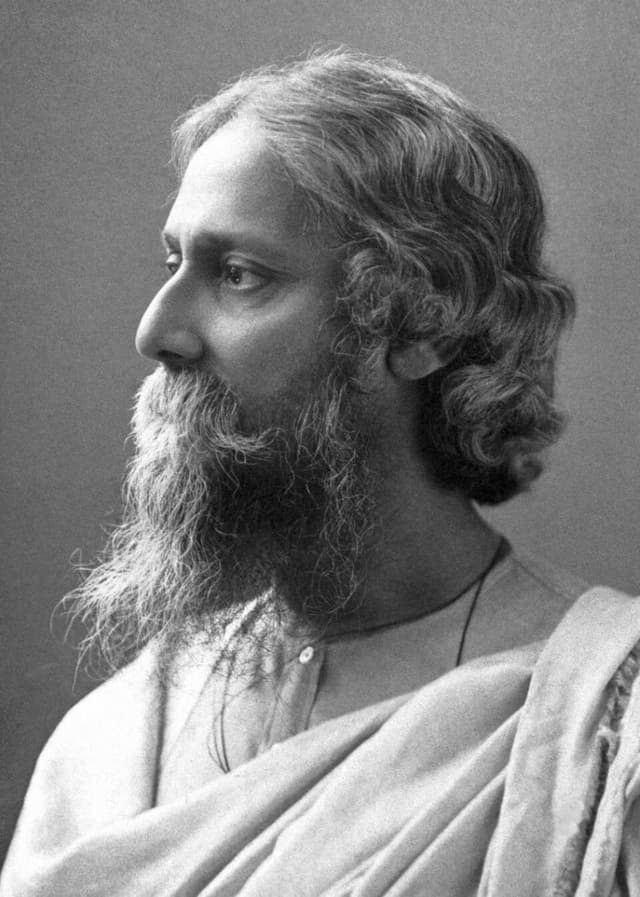
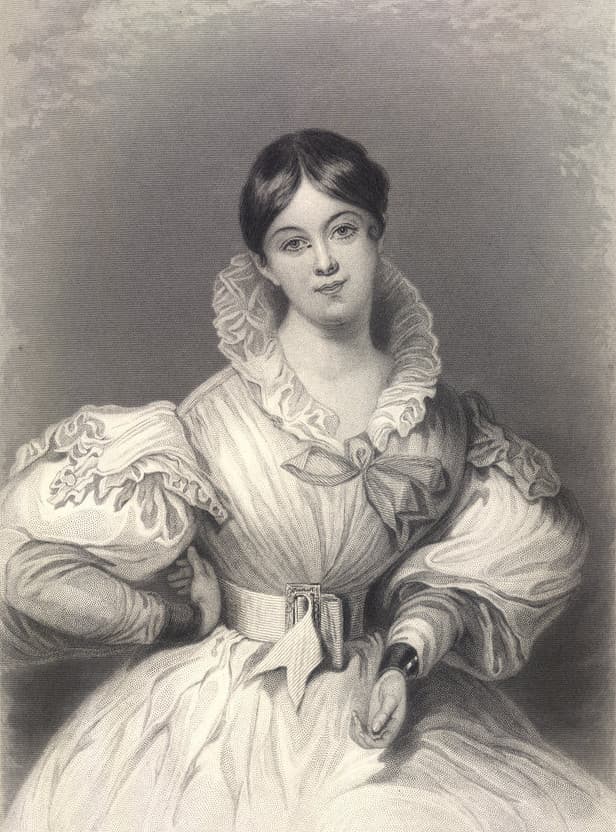
Reading on the move
Short poems about love
Twelve lines or fewer — a curated facet for the commute, the inbox, the lock screen. Hand-filtered for length, sequenced by canonical weight.
75
Under 12 lines
§04 Reader's questions
Questions about love poems
Q.01What is a love poem?
Answer
A love poem is any poem that focuses on love as its main theme — whether it’s the feeling itself, a specific person, or the experience of loving and being loved. This includes a vast array of styles: ecstatic sonnets, gentle domestic reflections, bitter breakup verses, and elegies for those who have passed away. The broadness of this category is intentional.
Q.02What are the most famous love poems?
Answer
A few love poems that are frequently mentioned include Shakespeare's Sonnet 18 ("Shall I compare thee to a summer's day?"), Elizabeth Barrett Browning's "How Do I Love Thee?", Pablo Neruda's "Tonight I Can Write the Saddest Lines," and W.H. Auden's "Funeral Blues." In recent years, poets like Warsan Shire and Ocean Vuong have created love poems that resonate with a modern and urgent feel.
Q.03What is the difference between a love poem and a romantic poem?
Answer
Romantic poems fall under the category of love poems, focusing specifically on romantic attraction or partnerships. Love poems encompass a wider range of emotions. For instance, a poem about a parent, a child, a best friend, or even a cherished home can also be considered a love poem. While the feelings may be similar, the nature of the relationships varies.
Q.04How do poets write about love without being clichéd?
Answer
The best ones skip the grand, abstract terms like "passion," "soul," and "forever," opting instead for concrete details. Rather than claiming love is overwhelming, they illustrate a specific moment that captures it. Specificity counters cliché. When a poem identifies something exact and genuine, you can relate to it, even if you haven't had that exact experience.
Q.05Can a poem about heartbreak be considered a love poem?
Answer
Absolutely. Heartbreak is love that has nowhere to go. Some of the most moving love poems focus on loss, longing, or the aftermath of a relationship ending. The grief reflects the depth of what was felt, which is why breakup poems often reveal more about love than happy ones do.
Q.06What poetic forms are most commonly used for love poems?
Answer
The sonnet boasts a rich history with love — its 14-line format seems tailor-made for the theme. However, love poems can also take many shapes, including free verse, odes, elegies, ghazals, and straightforward lyric poems that defy any set structure. The form often reflects the emotion: a structured sonnet can echo the stability of a long-term relationship, while a disjointed free verse piece can capture the whirlwind of new romance.
Q.07Are there love poems that aren't about romantic love?
Answer
Many poems explore themes of parental love, grief for a friend, and devotion to a place or community—all of these fall under the umbrella of love. Lucille Clifton crafted beautiful poems about her body and her children. Mary Oliver's nature poems can also be seen as expressions of love. This emotion doesn't need a romantic partner to exist.
Q.08How do I find a love poem for a specific occasion?
Answer
Start by considering what you truly want to express, rather than what seems fitting for the event. An honest wedding poem that acknowledges challenges will resonate more than one that is solely upbeat. A poem intended for someone mourning a relationship should embrace the pain instead of glossing over it. Once you grasp the emotional truth you wish to convey, seek out poems that align with that, rather than just fitting the occasion label.