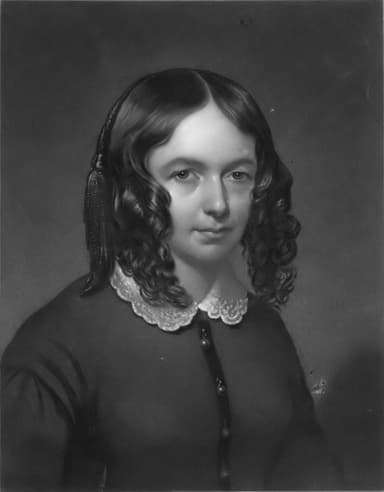
Letitia Elizabeth Landon — or L. E. L., as she was widely known during her lifetime — was born in London in 1802 and quickly became one of the most popular poets in the English-speaking world before she hit thirty. She began publishing in the *Literary Gazette* as a teenager, and her initials soon became a signature: readers recognized that those three letters stood for lush, emotionally charged poetry about love, loss, and the struggles of sensitive women.
Growing up in a modest household, writing became essential for Landon, especially after her father's death. She was impressively prolific, churning out poems, novels, criticism, and editing work during the 1820s and 1830s. Collections like *The Troubadour* (1825) and *The Golden Violet* (1827) solidified her reputation, making her a true celebrity within London’s literary scene, where she mingled with influential figures like William Jerdan, editor of the *Literary Gazette*, who was one of her early mentors and supporters.
“However, that fame came with drawbacks. Persistent rumors about her personal life plagued her, leading to the collapse of at least two engagements under the weight of gossip.”
In 1838, she married George Maclean, the governor of Cape Coast Castle in present-day Ghana, and set sail for West Africa — a decision that many of her peers viewed as odd, even desperate. Tragically, just two months after her arrival, she was found dead with a bottle of prussic acid in her hand at the age of thirty-six. The circumstances surrounding her death — whether it was suicide, accidental poisoning, or something else — remain unresolved, adding an air of mystery to her legacy.
Her work occupies an intriguing space in literature. While firmly rooted in the Romantic tradition, Landon often pushed its boundaries toward a more self-aware and occasionally bitter perspective. Her speakers are frequently women who have loved foolishly and suffered the consequences — not merely passive victims, but individuals who grasp the reality of their situations. This blend of emotional intensity and sharp irony is what makes her writing resonate today, long after the surrounding gossip has faded.