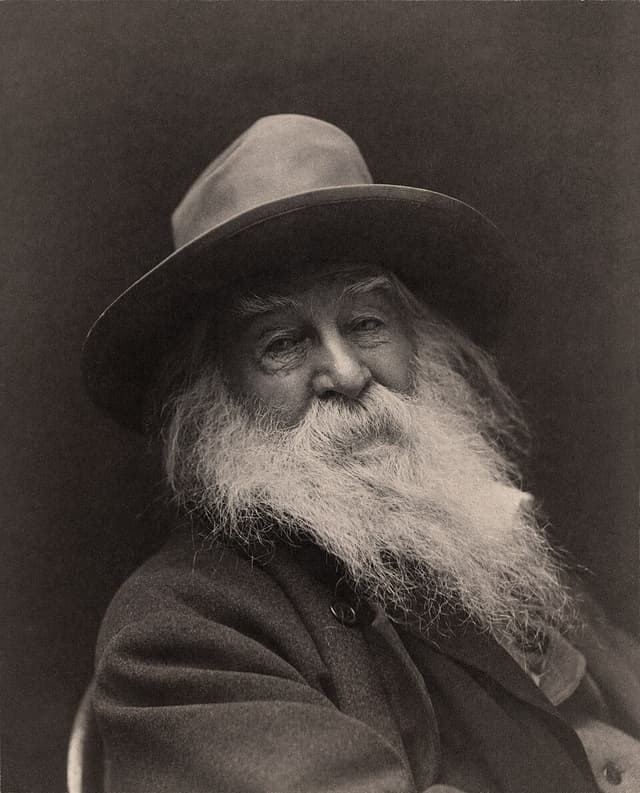
Identity poems appear in nearly every tradition and era, often revolving around a few recurring tensions: the names we inherit versus those we choose, the bodies we occupy, the languages we speak or have lost, and the families and communities that shaped us long before we had any say in the matter. Walt Whitman boldly declared that he contained multitudes. Langston Hughes pondered what happens to a dream that is postponed. Sylvia Plath depicted the self as something that can be recreated, destroyed, or both simultaneously.
What keeps this theme vibrant in contemporary poetry is that the old certainties surrounding selfhood have begun to crumble. Today’s poets approach identity not as a fixed entity waiting to be uncovered, but as something that is performed, debated, and continually evolving. This isn’t a new concept — people have always sensed the disparity between their inner lives and outward labels — but current poems articulate this gap with striking clarity.
Whether you seek a poem that resonates with your own experience or one that draws you into a life entirely different from yours, identity poetry provides both.
The Reader's Atlas · Chapter The interior
Poems About Identity in the open canon
Who am I, really? That question lies at the core of every poem exploring identity. People turn to these poems when they feel caught between different worlds — between cultures, between their past selves and who they are becoming, between the persona they present to others and the one they keep to themselves. Poetry…
- Indexed poems
- 1,181
- Indexed poets
- 207
- Short poems
- 173
§01 Opening
On identity
A reader's preface to the theme — what to listen for as you move through the poems below.
Where to begin with identity
Three ways in01 · Most-read entry
1492
by Emma Lazarus, 1883
Read the line-by-line analysis, themes, and historical context for this entry in Storgy's index.
02 · Editor's pick
A Bird, came down the Walk
by Emily Dickinson, 1891
Read the line-by-line analysis, themes, and historical context for this entry in Storgy's index.
03 · Counterpoint
A Century Later
by Imtiaz Dharker, 2014
Read the line-by-line analysis, themes, and historical context for this entry in Storgy's index.
§03 The index
Every poem in this theme
- 01
1492
Emma Lazarus1883PD - 02
A Bird, came down the Walk
Emily Dickinson1891PD - 03
A Century Later
Imtiaz Dharker2014Excerpt - 04
A Game of Chess
T. S. Eliot1922Excerpt - 05
Anecdote of the Jar
Wallace Stevens1919PD - 06
An Irish Airman Foresees his Death
W. B. Yeats1919PD - 07
A Noiseless Patient Spider
Walt Whitman1868PD - 08
A Portable Paradise
Roger Robinson2019Excerpt - 09
A Prayer for my Daughter
W. B. Yeats1919PD - 10
Ash Wednesday
T. S. Eliot1930Excerpt - 11
A Valediction: Forbidding Mourning
John Donne1633PD - 12
A Wider View
Seni Seneviratne2007Excerpt - 13
Bayonet Charge
Ted Hughes1957Excerpt - 14
Before You Were Mine
Carol Ann Duffy1993Excerpt - 15
Buffalo Bill's Defunct
E. E. Cummings1920Excerpt - 16
Cap'n Storm-Along
Alfred Noyes1922Excerpt - 17
Catrin
Gillian Clarke1978Excerpt - 18
Checking Out Me History
John Agard2007Excerpt - 19
Circe
H. D.1921Excerpt - 20
Cities
H. D.1916Excerpt
The remaining 1,161 poems about identity are indexed but not yet featured here. Use the search index in the footer to surface them.
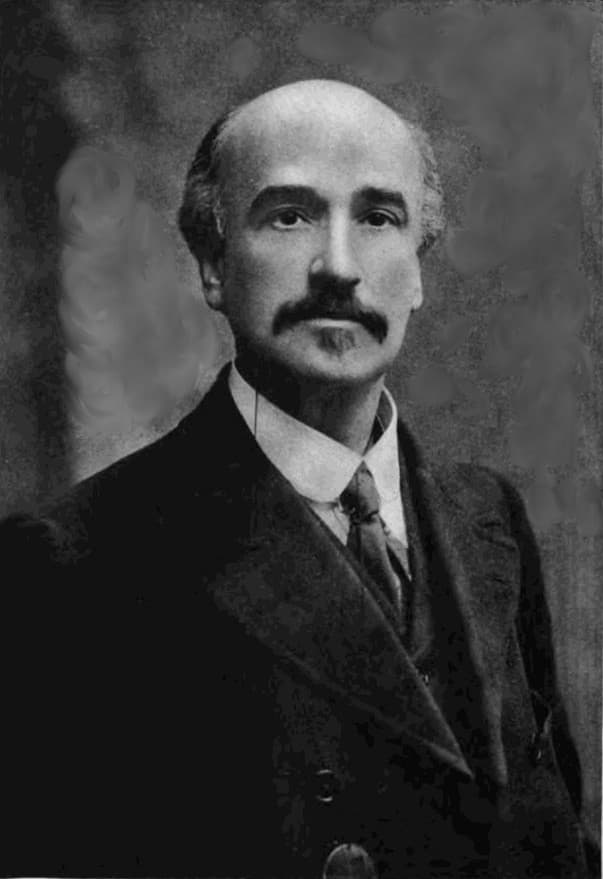
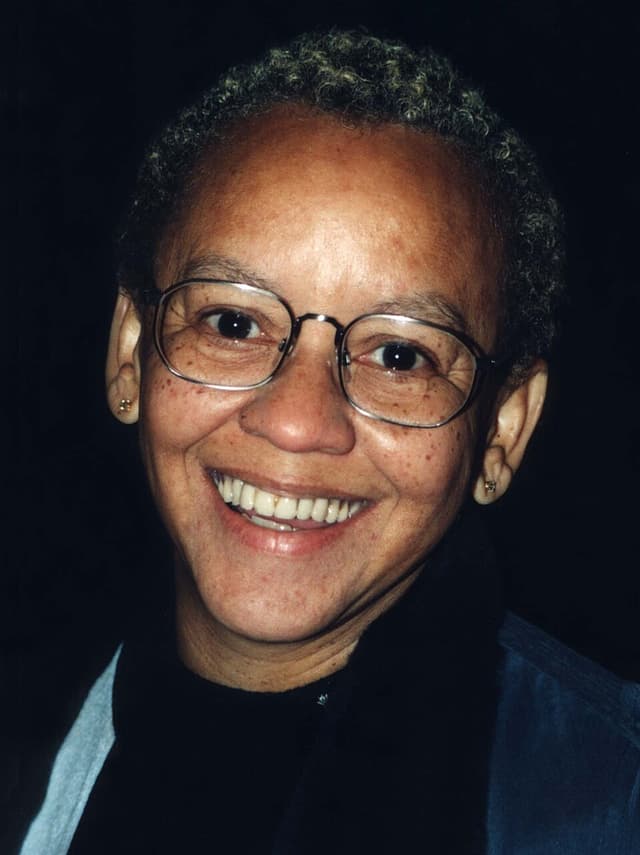
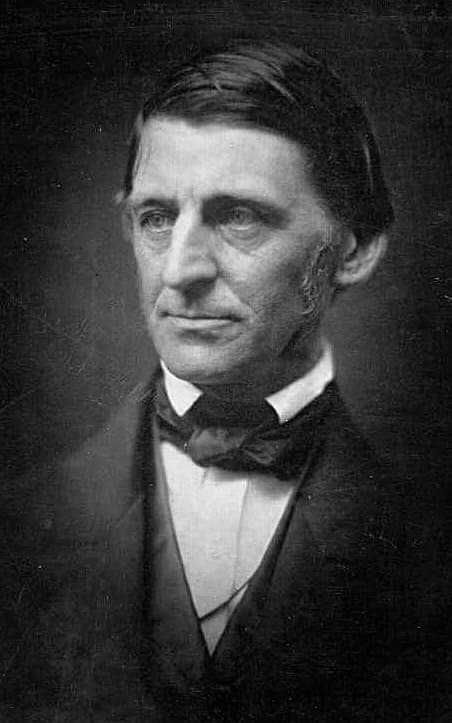
Notable poets on identity
Cartography

Reading on the move
Short poems about identity
Twelve lines or fewer — a curated facet for the commute, the inbox, the lock screen. Hand-filtered for length, sequenced by canonical weight.
173
Under 12 lines
§04 Reader's questions
Questions about identity poems
Q.01What makes a poem an "identity poem"?
Answer
Any poem that grapples with the question of identity — or the limitations placed on who someone can be — qualifies. This can encompass aspects like race, gender, nationality, class, sexuality, religion, or even the disparity between a person's true self and the societal role they are given.
Q.02Are identity poems always personal or confessional?
Answer
Not at all. While some are very autobiographical, others adopt a persona, myth, or a collective "we" to examine identity from an external perspective. The approach may differ, but the core question remains unchanged.
Q.03Which poets are most associated with identity as a theme?
Answer
Walt Whitman, Langston Hughes, Sylvia Plath, Adrienne Rich, Claudia Rankine, Ocean Vuong, and Gloria Anzaldúa are often referenced. Their works cover a range of centuries and styles, highlighting just how important this theme is in poetry overall.
Q.04How do identity poems handle the idea that the self is not fixed?
Answer
Many poets use fragmented structures, shift pronouns, or incorporate multiple voices within a single poem to create that sense of instability on the page. The form itself contributes to the argument.
Q.05What is the difference between poems about identity and poems about self-discovery?
Answer
Self-discovery suggests reaching a destination — you uncover your true self and the journey concludes. However, identity poems often take a more questioning approach. They usually view the self as something that is constantly evolving or that was never just one thing to start with.
Q.06Can identity poems be political?
Answer
Yes, they often are. When a poet expresses the experience of being viewed as a stereotype instead of an individual — due to race, gender, class, or any other category — the poem engages in political discourse, whether that's the poet's intention or not.
Q.07Are there identity poems that focus on national or regional identity rather than personal identity?
Answer
Plenty. Poets such as Seamus Heaney, who explores Irish identity under British rule, and Pablo Neruda, who delves into Latin American identity, demonstrate that national belonging and personal identity are deeply intertwined.
Q.08What formal techniques do poets use most often in identity poems?
Answer
Direct address (speaking to yourself as "you"), listing items, switching between languages, and delivering a dramatic monologue are all common techniques. Each of these allows the poet to present various versions of themselves simultaneously.