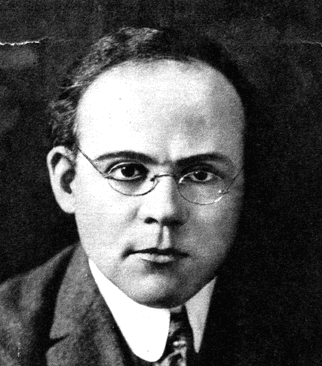
Jack Kerouac was born Jean-Louis Lebris de Kérouac on March 12, 1922, in Lowell, Massachusetts, to French-Canadian parents. Growing up in a working-class Catholic household, he spoke joual—a French-Canadian dialect—before he learned English, and that feeling of being caught between languages and cultures always stayed with him. This experience fueled his lifelong exploration of identity, belonging, and what it truly means to be an American.
He earned a football scholarship to Columbia University, which marked a turning point in his life. In New York, he became friends with Allen Ginsberg and William S. Burroughs, and the three of them formed the heart of what would come to be known as the Beat Generation—a loose collective of writers disillusioned with postwar conformity and eager for something more raw and honest in American literature and life.
“Kerouac spent much of the late 1940s traveling across the country with his friend Neal Cassady, and those road trips provided the inspiration for his most acclaimed work, *On the Road*.”
The novel took years to write and even longer to publish—Viking finally released it in 1957—but when it did come out, it made a significant impact. The *New York Times* called it the defining work of the Beat Generation, and overnight, Kerouac became famous in a way that made him uneasy.
His writing method, which he referred to as "spontaneous prose," was influenced by jazz and aimed to capture thoughts and emotions in motion, without the usual refinements of conventional revision. He typed the manuscript of *On the Road* on a single, continuous scroll of paper taped together, working in intense bursts. Whether or not the story is entirely true, the motivation behind it was genuine: he sought writing that felt alive.