The richness of memory in poetry comes from the inherent tension it carries. Remembering isn’t a simple act. Each time you bring something back, you're also reshaping it — blending what you know now with what you felt back then. Poems about memory linger in that space between what actually happened and what you choose to carry forward. Some lament the distance that grows over time, while others celebrate the fact that anything remains. Others still question the validity of the narratives we tell ourselves.
The poets who excel in this area often shy away from nostalgia as a goal. Nostalgia offers comfort; dealing with memory, truthfully, does not. The strongest poems in this realm make you feel the weight of time without letting you escape — they remind you that to remember also means to make choices, to edit, and at times, to mourn. Whether you're seeking a poem that encapsulates a specific loss or one that explores how the past influences your present self, you’ve come to the right place.
The Reader's Atlas · Chapter The interior
Poems About Memory in the open canon
What do you reach for when you're in the mood for a poem about memory? It's usually something vivid — the scent of a grandparent's kitchen, a face you struggle to visualize, or the way a song can whisk you back twenty years in an instant. Memory often seems abstract until it hits close to home, and poets understand…
- Indexed poems
- 802
- Indexed poets
- 168
- Short poems
- 81
§01 Opening
On memory
A reader's preface to the theme — what to listen for as you move through the poems below.
Where to begin with memory
Three ways in01 · Most-read entry
A Century Later
by Imtiaz Dharker, 2014
Read the line-by-line analysis, themes, and historical context for this entry in Storgy's index.
02 · Editor's pick
A Dream Within a Dream
by Edgar Allan Poe, 1849
Read the line-by-line analysis, themes, and historical context for this entry in Storgy's index.
03 · Counterpoint
After Apple-Picking
by Robert Frost, 1914
Read the line-by-line analysis, themes, and historical context for this entry in Storgy's index.
§03 The index
Every poem in this theme
- 01
A Century Later
Imtiaz Dharker2014Excerpt - 02
A Dream Within a Dream
Edgar Allan Poe1849PD - 03
After Apple-Picking
Robert Frost1914Excerpt - 04
A Game of Chess
T. S. Eliot1922Excerpt - 05
A New Madrigal to an Old Melody
Alfred Noyes1922Excerpt - 06
A Portable Paradise
Roger Robinson2019Excerpt - 07
Ash Wednesday
T. S. Eliot1930Excerpt - 08
Auld Lang Syne
Robert Burns1788PD - 09
A Wider View
Seni Seneviratne2007Excerpt - 10
Before You Were Mine
Carol Ann Duffy1993Excerpt - 11
Birches
Robert Frost1915Excerpt - 12
Blackberry Picking
Seamus Heaney1966Excerpt - 13
Break, Break, Break
Alfred, Lord Tennyson1842PD - 14
Buffalo Bill's Defunct
E. E. Cummings1920Excerpt - 15
Catrin
Gillian Clarke1978Excerpt - 16
Checking Out Me History
John Agard2007Excerpt - 17
Cities
H. D.1916Excerpt - 18
Climbing My Grandfather
Andrew Waterhouse2000Excerpt - 19
Concord Hymn
Ralph Waldo Emerson1837PD - 20
Dead Man's Morrice
Alfred Noyes1907Excerpt
The remaining 782 poems about memory are indexed but not yet featured here. Use the search index in the footer to surface them.
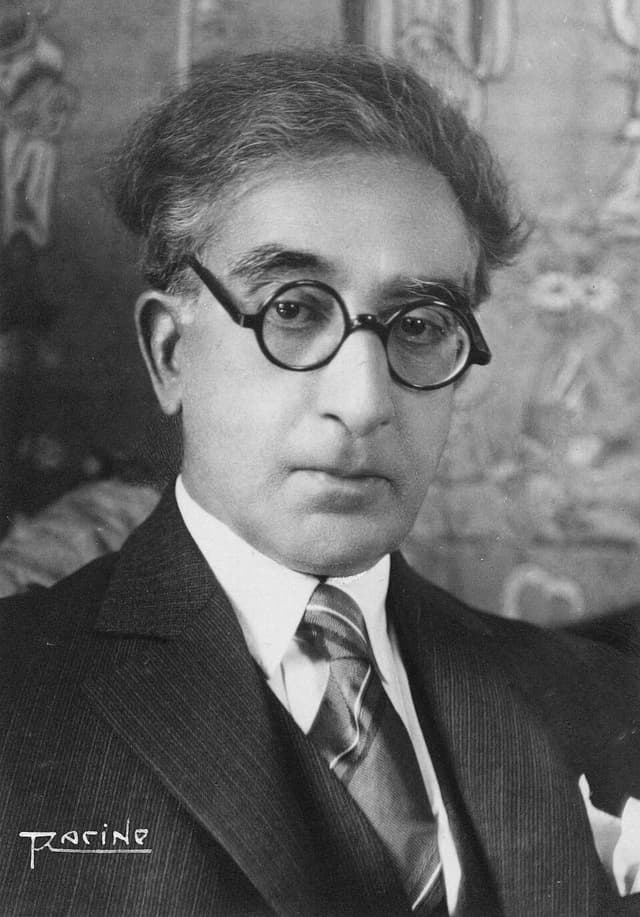
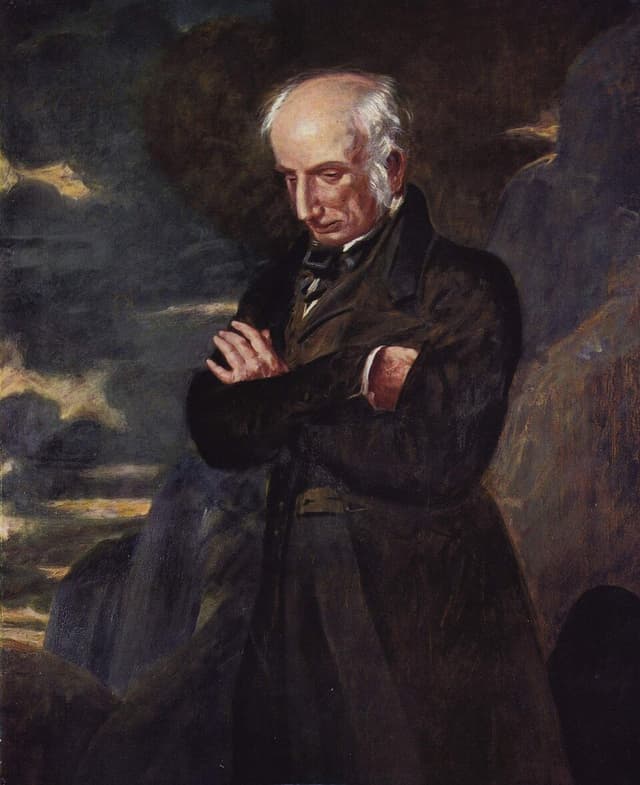
Notable poets on memory
Cartography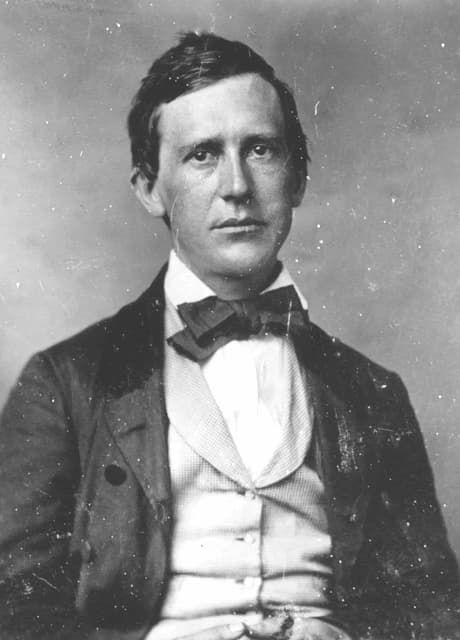
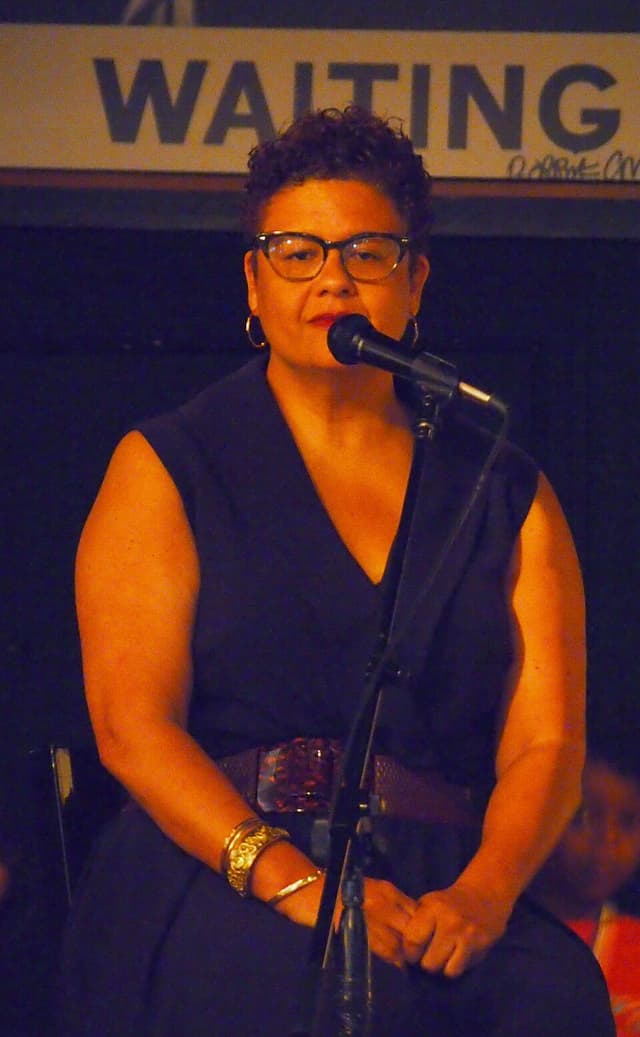
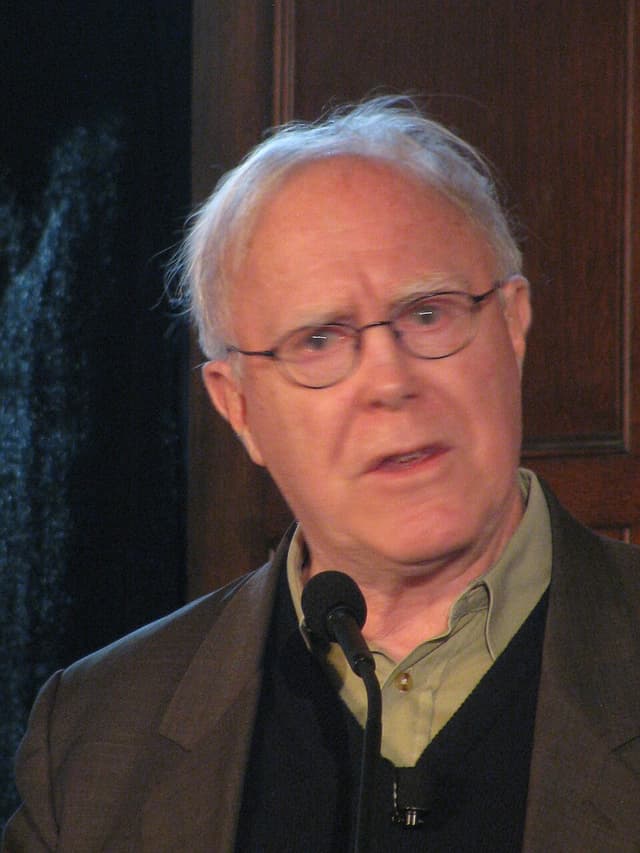

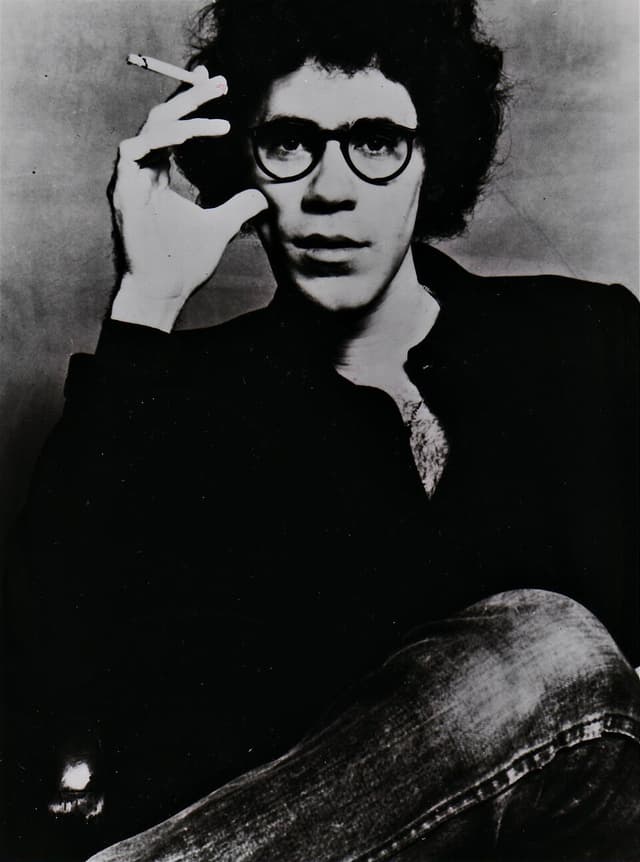
Reading on the move
Short poems about memory
Twelve lines or fewer — a curated facet for the commute, the inbox, the lock screen. Hand-filtered for length, sequenced by canonical weight.
81
Under 12 lines
§04 Reader's questions
Questions about memory poems
Q.01Why do so many poems about memory focus on small, ordinary details?
Answer
Because that's how memory works. You seldom remember an entire day — instead, you recall the chipped mug on the table or the specific light streaming through a window. Poets embrace those details because they capture the emotional truth of a moment more effectively than any summary could.
Q.02What's the difference between a poem about memory and a poem about nostalgia?
Answer
Nostalgia is memory with the rough edges softened — it’s a yearning for a past that’s been beautified in the telling. A poem about memory can touch on nostalgia, but the most impactful ones also embrace the mixed feelings, the sense of loss, or the oddness of reflecting on what was. Nostalgia brings comfort; memory adds complexity.
Q.03Are there famous poems specifically about the unreliability of memory?
Answer
Yes. Poets such as Wisława Szymborska and Paul Muldoon explore how memory twists and reshapes our experiences. The notion that remembering is a creative process — rather than merely pulling up past events — is a recurring theme in much of 20th- and 21st-century poetry.
Q.04How do poets write about memories they share with someone who has died?
Answer
This is a core challenge of elegy. When the other person who shared a memory is gone, you become its sole keeper — which brings both a burden and a unique closeness. Many elegies focus on that loneliness: being the last person who remembers a particular moment.
Q.05Can a poem about memory also be about identity?
Answer
Absolutely — they're nearly inseparable. The idea that you are your memories is a common thread in both philosophy and poetry. Poems that ponder "who was I then?" also reflect on "who am I now, and how did I arrive at this point?"
Q.06What poetic forms work well for writing about memory?
Answer
The lyric essay and fragmented free-verse poem capture memory's non-linear nature effectively. However, the sonnet also has a significant role — its turn (the volta) reflects that moment in remembering when you come to understand that the past holds a different meaning than you initially believed. Form can embody the experience of memory, rather than merely describe it.
Q.07Why does sensory imagery appear so often in memory poems?
Answer
Sense memory is the most visceral type — smell, in particular, can trigger emotions and memories before you even realize what's happening. Poets often rely on sensory details because they evoke that instinctive feeling of being thrust back into a moment.
Q.08Is there a difference between personal memory poems and poems about collective or cultural memory?
Answer
A big one. Personal memory poems are deeply intimate and specific — they reflect one person's journey through their past. On the other hand, poems about collective memory explore what a community or culture preserves: war, trauma, history, and ancestry. Both types are valid and frequently intersect, particularly in poems focused on family or diaspora.