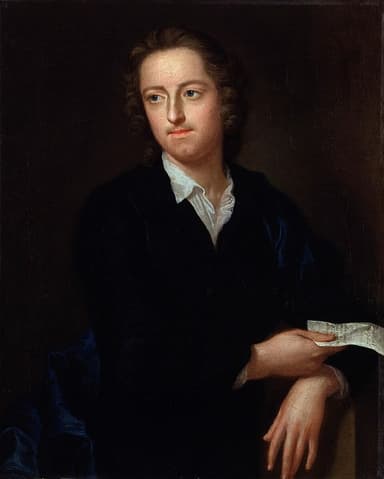
William Wordsworth was born in Cockermouth, Cumberland, in 1770, right on the edge of the Lake District—and that landscape had a lasting impact on him. He grew up climbing hills and rowing on lakes, and this early, almost physical connection with nature became the driving force of his poetry throughout his life.
He studied at Cambridge but found the city oppressive. A walking tour through the Alps in 1790 opened something within him, and a later stay in France during the Revolution left him politically energized and personally conflicted—he had a daughter, Caroline, with a French woman named Annette Vallon, a relationship he kept hidden for years. When war broke out between Britain and France, he couldn't return, leaving them behind, a choice that haunted him quietly.
“Back in England, he developed a close friendship with Samuel Taylor Coleridge that would transform English poetry.”
Together, they published *Lyrical Ballads* in 1798, a collection that rejected the ornate conventions of 18th-century verse, aiming to portray ordinary people and everyday experiences in straightforward language. The preface Wordsworth wrote for the 1800 edition became something like a manifesto for what we now recognize as Romanticism.
He settled in the Lake District with his sister Dorothy, whose journals and keen observations enriched his work in ways he openly acknowledged. He married Mary Hutchinson in 1802, and their home at Dove Cottage and later Rydal Mount became a hub for writers and thinkers of the time.