For centuries, poets have been doing just that. Growing up isn’t a single, clean event; it’s a gradual buildup of moments when the world ceases to be straightforward. The afternoon you realize your hometown is smaller than you imagined. The first time you hear your own voice echoing your mother’s. The strange sadness of drifting away from a friendship that once felt unbreakable.
What makes poems about growing up so enduring is their ability to resonate in both directions. A teenager reads them and feels understood. An adult reads them and senses the gap between their current self and their younger self — not always with sadness, sometimes with relief, and often with a complex mix of both.
The most powerful poems on this theme avoid glamorizing childhood or portraying adulthood as the ultimate goal. They exist in the in-between: that awkward, radiant, disorienting phase where you’re becoming someone you haven't yet met. They capture the little details — a pair of shoes that's seen better days, a backyard that seems smaller than before, a voice that has transformed without your consent.
If you’re here because you’re navigating that phase right now, or reflecting on it, you’re in the right spot.
The Reader's Atlas · Chapter Mortality & time
Poems About Growing-up in the open canon
What does it feel like to leave childhood behind? That’s the underlying question driving many searches for poems about growing up. People seek these poems because something has changed — maybe a birthday, a relocation, or a conversation with a parent that suddenly felt different — and they want to find out if anyone…
- Indexed poems
- 63
- Indexed poets
- 6
- Short poems
- 13
§01 Opening
On growing-up
A reader's preface to the theme — what to listen for as you move through the poems below.
Where to begin with growing-up
Three ways in01 · Most-read entry
Follower
by Seamus Heaney, 1966
Read the line-by-line analysis, themes, and historical context for this entry in Storgy's index.
02 · Editor's pick
If—
by Rudyard Kipling, 1910
Read the line-by-line analysis, themes, and historical context for this entry in Storgy's index.
03 · Counterpoint
In Just
by E. E. Cummings, 1920
Read the line-by-line analysis, themes, and historical context for this entry in Storgy's index.
§03 The index
Every poem in this theme
- 01
Follower
Seamus Heaney1966Excerpt - 02
If—
Rudyard Kipling1910PD - 03
In Just
E. E. Cummings1920Excerpt - 04
Mother, any distance
Simon Armitage1993Excerpt - 05
Spring and Fall
Gerard Manley Hopkins1918PD - 06
The New Duckling
Alfred Noyes1922Excerpt - 07
Walking Away
Cecil Day-Lewis1962Excerpt - 08
Wild Grapes
Robert Frost1923Excerpt - 09
A Chaucerian Paraphrase of Horace
Eugene Field—PD - 10
A Fable
James Russell Lowell—PD - 11
A Familiar Epistle to a Friend
James Russell Lowell—PD - 12
Aladdin
James Russell Lowell—PD - 13
A Priest
Henry Wadsworth Longfellow—PD - 14
Argument
Homer—PD - 15
Argument
Henry Wadsworth Longfellow—PD - 16
Autumn, 1863
James Russell Lowell—PD - 17
Brother and Sister
D. H. Lawrence—PD - 18
By Charles Coran
Henry Wadsworth Longfellow—PD - 19
Calidore
John Keats—PD - 20
Collegisse juvat: The full sentence, in the first ode of
James Russell Lowell—PD
The remaining 43 poems about growing-up are indexed but not yet featured here. Use the search index in the footer to surface them.
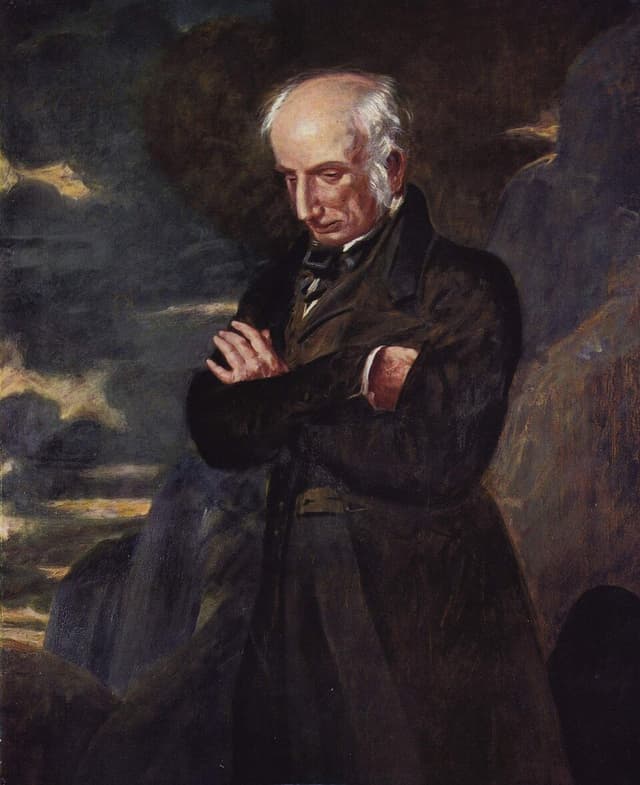
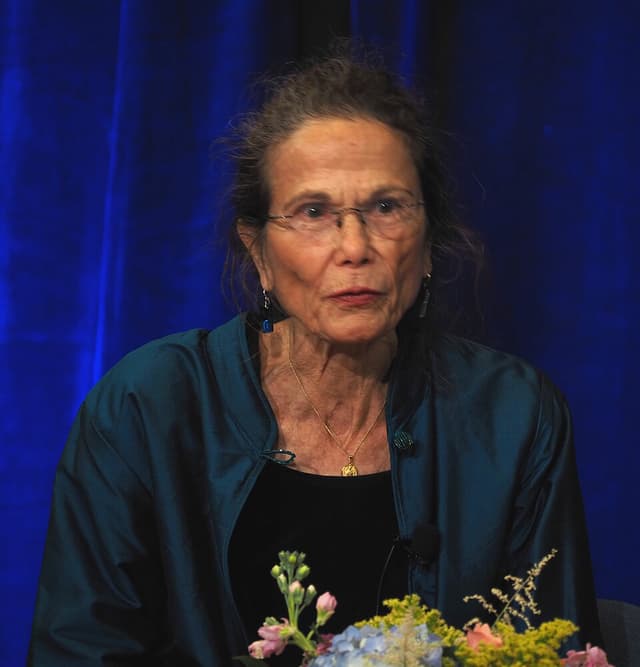
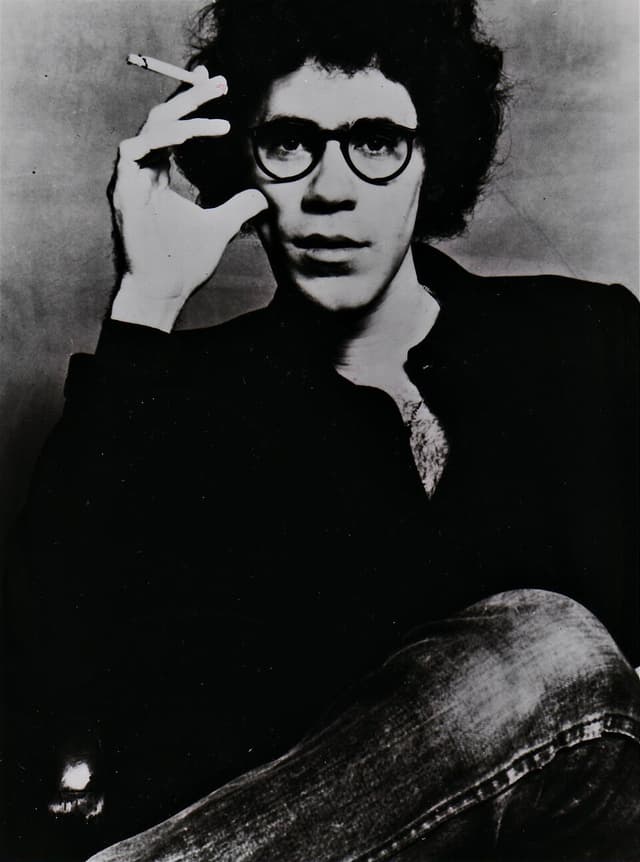
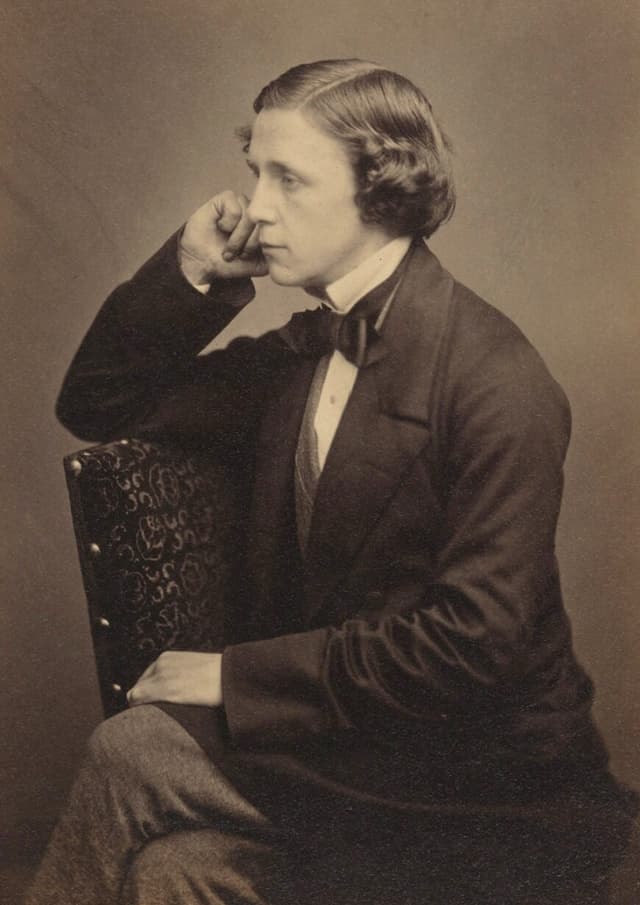
Notable poets on growing-up
Cartography

Reading on the move
Short poems about growing-up
Twelve lines or fewer — a curated facet for the commute, the inbox, the lock screen. Hand-filtered for length, sequenced by canonical weight.
13
Under 12 lines
§04 Reader's questions
Questions about growing-up poems
Q.01Why do so many poems about growing up feel sad?
Answer
Because growing up means experiencing real loss — loss of certainty, of childhood innocence, and of the version of yourself that was unaware of certain things. This loss is genuine, even when the changes are positive. Poets often embrace that bittersweet aspect instead of glossing over it.
Q.02Are there poems about growing up that aren't nostalgic?
Answer
Yes. Some of the most captivating works come from within the experience — capturing the confusion and excitement of becoming, rather than reflecting on it afterward. Poets like Gwendolyn Brooks and Frank O'Hara depict adolescence and early adulthood with a vividness that feels more vibrant than nostalgic.
Q.03What's the difference between poems about growing up and poems about coming of age?
Answer
Mostly tone and scope. Coming-of-age poems usually center around a specific turning point. In contrast, growing-up poems can take a broader view, exploring a longer journey or focusing closely on a small detail, such as a habit or an object, that subtly signifies a change.
Q.04Are there good poems about growing up written for adults, not just young readers?
Answer
Most great works are penned by adults, aimed at adults. They explore childhood and adolescence to make sense of the present self. Philip Larkin, Sharon Olds, and Seamus Heaney captured the experience of growing up in ways that hit home more powerfully once you've gained some distance from it.
Q.05Can a poem about growing up also be funny?
Answer
Absolutely. The ridiculousness of being a teenager — the intense seriousness, the poor choices, the frantic desire to fit in — provides plenty of fodder for humor. Billy Collins and Tony Hoagland both discover comedy in the process of growing up while still honoring its emotional depth.
Q.06What poetic forms work best for this theme?
Answer
Free verse is prevalent because it reflects the wildness of the experience itself. However, the sonnet makes frequent appearances as well — its strict form introduces a helpful tension in contrast to the chaos of adolescence. Narrative poems are effective when a poet aims to share a particular story from their past.
Q.07Do poems about growing up have to be autobiographical?
Answer
Not at all, although many poets do. Some create from imagined or blended viewpoints. What truly matters is the emotional truth, not the factual details. A poem can be completely fictional yet still convey something genuine about the experience of growing up.