Poets have grappled with time longer than most other topics. They explore it because it's the one force that everyone must face. You can put off thoughts of death, dodge heartbreak, or avoid certain people. But time marches on, indifferent to your attention, and poetry provides a rare space where a writer can slow it down, freeze a moment, or examine an entire decade under the light.
What makes poems about time so diverse is the myriad of feelings they evoke. Sometimes it’s grief — mourning the person who’s gone or the youth that’s lost. Other times it’s wonder — the astonishing reality that you exist right now, in this particular moment. It can also be urgency, echoing the carpe diem tradition that spans from ancient Rome to modern slam poetry. And then there's acceptance, a hard-earned peace with the reality that everything eventually ends.
The poems gathered here traverse all these emotions. Whether you're seeking something that evokes nostalgia, contemplates mortality, reflects on the speed of modern life, or captures the quiet miracle of a single present moment, there's a doorway for you to step through.
The Reader's Atlas · Chapter Mortality & time
Poems About Time in the open canon
What does it feel like to watch time slip away, unable to stop it? That's the underlying question in nearly every poem ever penned about time. Not the abstract, physics textbook kind of time, but the deeply personal kind: the afternoon that faded away, the year that etched lines on your face, the moment you wish you…
- Indexed poems
- 383
- Indexed poets
- 81
- Short poems
- 53
§01 Opening
On time
A reader's preface to the theme — what to listen for as you move through the poems below.
Where to begin with time
Three ways in01 · Most-read entry
Adam's Curse
by W. B. Yeats, 1903
Read the line-by-line analysis, themes, and historical context for this entry in Storgy's index.
02 · Editor's pick
A Red, Red Rose
by Robert Burns, 1794
Read the line-by-line analysis, themes, and historical context for this entry in Storgy's index.
03 · Counterpoint
Ars Poetica
by Archibald MacLeish, 1926
Read the line-by-line analysis, themes, and historical context for this entry in Storgy's index.
§03 The index
Every poem in this theme
- 01
Adam's Curse
W. B. Yeats1903PD - 02
A Red, Red Rose
Robert Burns1794PD - 03
Ars Poetica
Archibald MacLeish1926Excerpt - 04
Auld Lang Syne
Robert Burns1788PD - 05
A Valediction: Forbidding Mourning
John Donne1633PD - 06
Before You Were Mine
Carol Ann Duffy1993Excerpt - 07
Buffalo Bill's Defunct
E. E. Cummings1920Excerpt - 08
Concord Hymn
Ralph Waldo Emerson1837PD - 09
Crossing Brooklyn Ferry
Walt Whitman1856PD - 10
Death by Water
T. S. Eliot1922Excerpt - 11
Evening
H. D.1916Excerpt - 12
Fashions
Alfred Noyes1922Excerpt - 13
Fog
Carl Sandburg1916Excerpt - 14
Growing Old
Matthew Arnold1867PD - 15
If—
Rudyard Kipling1910PD - 16
I like to see it lap the Miles
Emily Dickinson1891PD - 17
Immortal Sails
Alfred Noyes1918Excerpt - 18
In a Station of the Metro
Ezra Pound1913Excerpt - 19
In Just
E. E. Cummings1920Excerpt - 20
Lines for a Sun-Dial
Alfred Noyes1922Excerpt
The remaining 363 poems about time are indexed but not yet featured here. Use the search index in the footer to surface them.
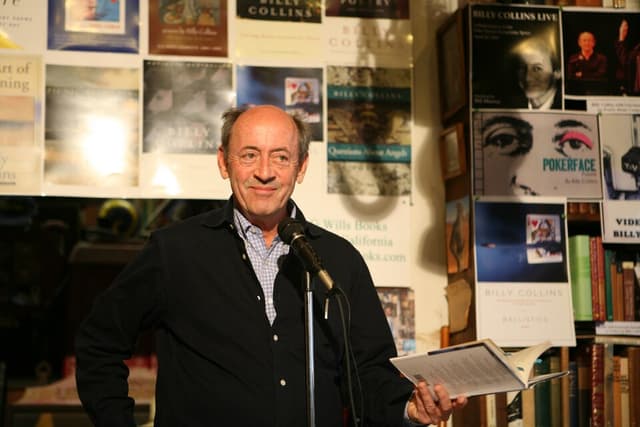
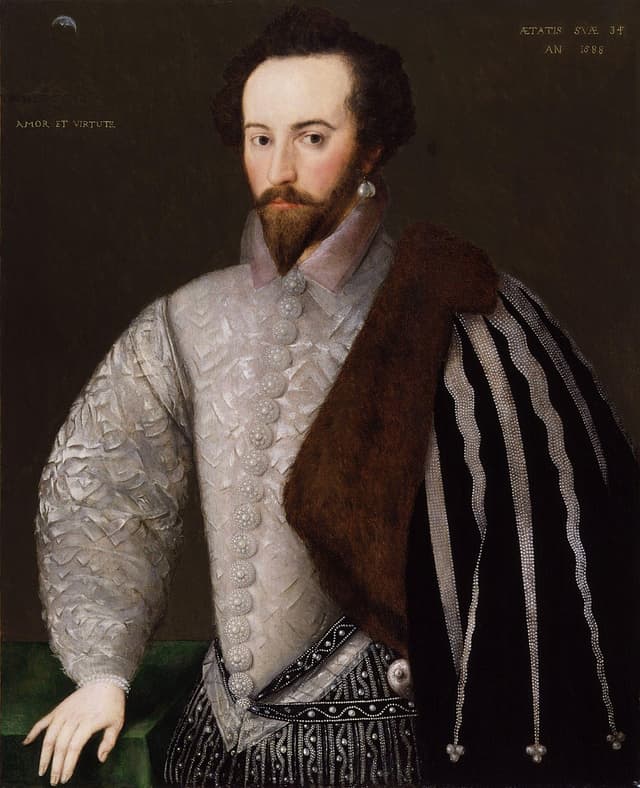
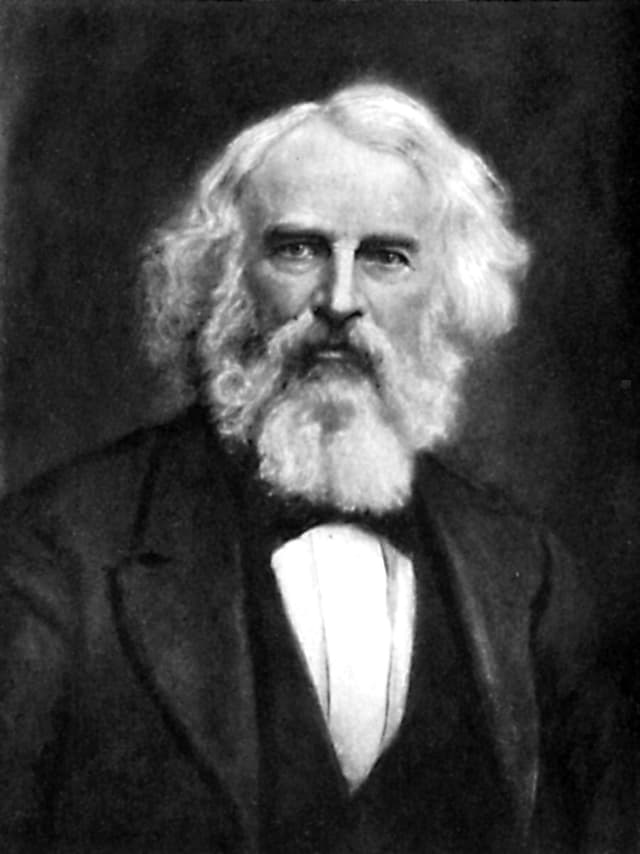
Notable poets on time
Cartography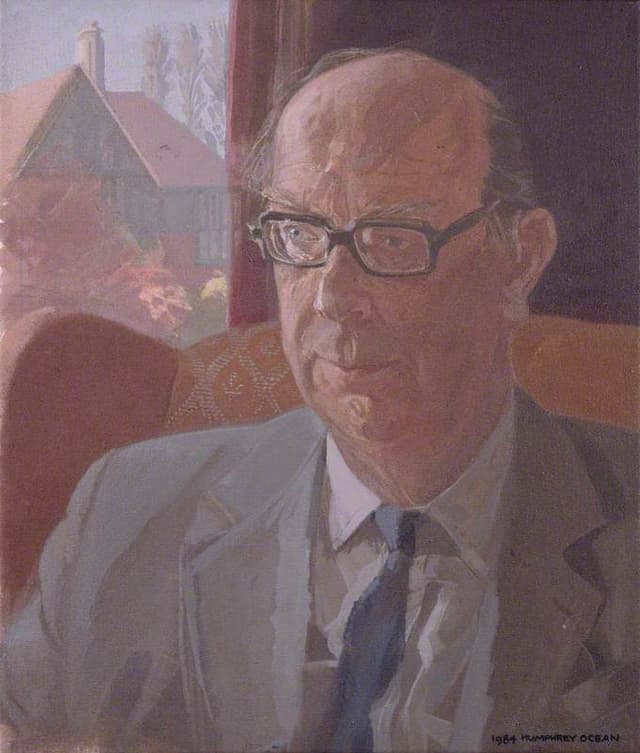
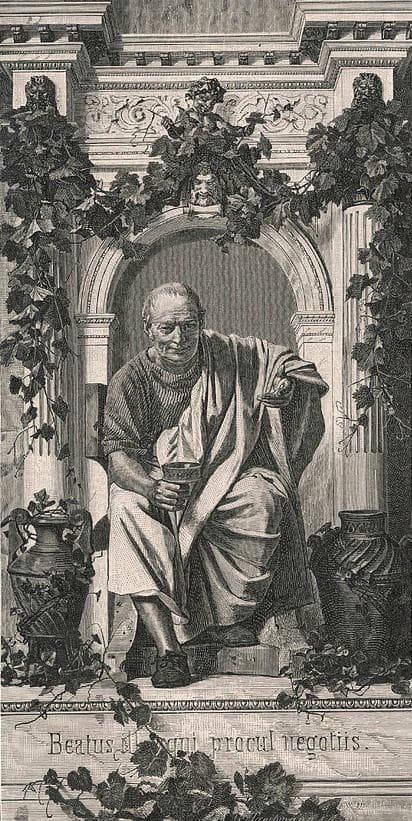
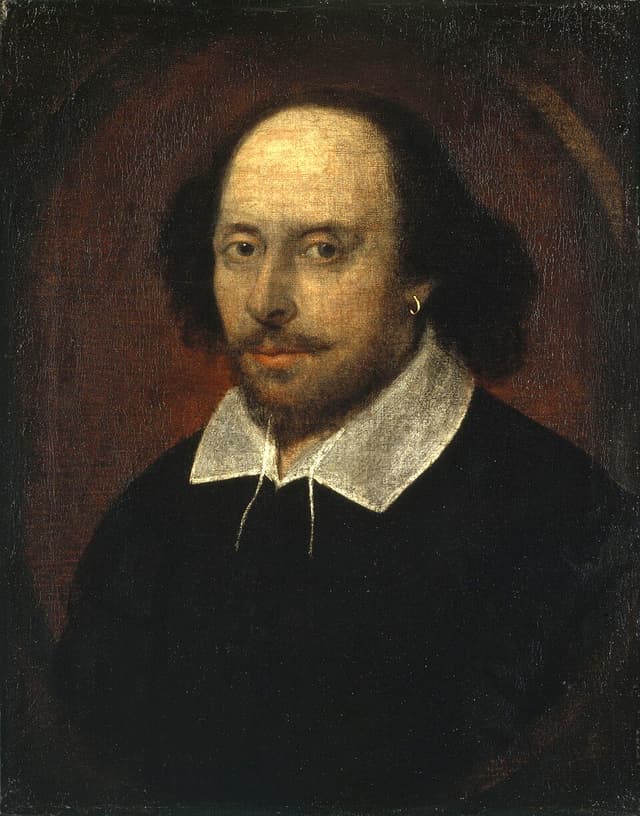
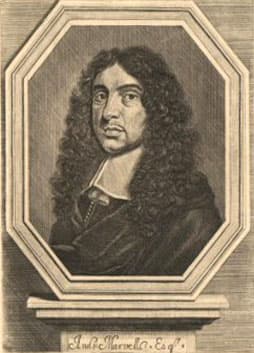
Reading on the move
Short poems about time
Twelve lines or fewer — a curated facet for the commute, the inbox, the lock screen. Hand-filtered for length, sequenced by canonical weight.
53
Under 12 lines
§04 Reader's questions
Questions about time poems
Q.01Why do so many poems use nature to talk about time?
Answer
Nature operates in clear cycles — seasons, tides, the sun's journey — providing poets with a tangible, common language for something as elusive as time. When a poet talks about leaves falling or a river flowing, readers experience the passage of time in a physical way, not just intellectually.
Q.02What is carpe diem poetry?
Answer
Carpe diem translates to "seize the day" in Latin and refers to a tradition of poetry that encourages embracing life's fleeting moments as a reason to live fully. In many Renaissance poems, this idea often carries a playful, flirtatious tone. Andrew Marvell's "To His Coy Mistress" is the most well-known English example, but this theme appears in various cultures and throughout history.
Q.03What's the difference between poems about time and poems about death?
Answer
They constantly overlap, but they're distinct. Poems about death emphasize the concept of an ending. Poems about time explore the experience of duration—the way moments build up, accelerate, decelerate, or fade away. While death often serves as a backdrop, the main focus is on what takes place in between.
Q.04Which poets are most associated with the theme of time?
Answer
Shakespeare's sonnets frequently revisit the theme of time, portraying poetry as a way to shield ourselves from its passage. Philip Larkin examined time with a stark, unflinching perspective. Mary Oliver consistently focused on the present moment and our tendency to overlook it. Pablo Neruda, W.B. Yeats, and Wisława Szymborska all centered their work around the idea of time.
Q.05Are there poems about time that aren't sad?
Answer
Plenty. Some poems about time express gratitude — just for the fact that any moment exists. Others take a playful, even humorous approach, teasing how we humans often panic about getting older. While sadness is a common theme, it’s certainly not the only emotion we can explore.
Q.06What poetic forms work well for the theme of time?
Answer
The sonnet has a rich history—its 14-line format sets up an argument and resolution that reflects the struggle between the passage of time and the wish to cling to moments. Elegies, odes, and lyric poetry all fit this theme beautifully. However, free verse can also capture the essence of time, allowing it to come across as fluid and unpredictable.
Q.07How do poems about time differ from poems about memory?
Answer
Memory offers a unique way to experience time, yet they provide different perspectives. A poem focused on time might immerse itself fully in the present, capturing the sensation of the clock ticking away. In contrast, a poem about memory looks back, piecing together what has passed. While the two themes often intertwine, a poem can engage profoundly with time without evoking nostalgia.
Q.08Can children's poetry deal seriously with time?
Answer
Yes, and some of it does so beautifully. Children's poetry about time often centers on waiting — for a birthday, for summer — which reflects how time can feel stretchy based on your mood. That's a genuinely thoughtful idea, communicated in straightforward language.