Death is the oldest theme in literature, and poets have always disagreed on how to confront it. Some respond with rage, some go silent, while others view death as a doorway or a wall. You’ll find poems that mourn a specific individual with sharp precision and others that step back to a cosmic perspective, making the idea of mortality feel strangely serene. The diversity of these approaches is crucial — there’s no single correct way to grieve or to come to terms with the reality that everything comes to an end.
What makes a poem about death resonate is often its specificity. The worn coat hanging on the hook. The half-finished cup of tea left on the counter. The way a name suddenly carries a different weight once the person is gone. The most impactful poems in this realm avoid vague notions. They focus on concrete details that open up the entire experience and trust you to process the emotions that follow. That’s what you’re searching for here, whether you realize it yet or not.
The Reader's Atlas · Chapter Mortality & time
Poems About Death in the open canon
What do you say to death — or about it — when words feel utterly inadequate? That’s the question behind nearly every search for poems about death. People seek out poetry because someone has passed away, or because they’re grappling with fear, or because they’ve been carrying grief for so long that it feels like part…
- Indexed poems
- 498
- Indexed poets
- 92
- Short poems
- 66
§01 Opening
On death
A reader's preface to the theme — what to listen for as you move through the poems below.
Where to begin with death
Three ways in01 · Most-read entry
Acon
by H. D., 1924
Read the line-by-line analysis, themes, and historical context for this entry in Storgy's index.
02 · Editor's pick
Ah! Sun-flower
by William Blake, 1794
Read the line-by-line analysis, themes, and historical context for this entry in Storgy's index.
03 · Counterpoint
Alone
by Edgar Allan Poe, 1875
Read the line-by-line analysis, themes, and historical context for this entry in Storgy's index.
§03 The index
Every poem in this theme
- 01
Acon
H. D.1924Excerpt - 02
Ah! Sun-flower
William Blake1794PD - 03
Alone
Edgar Allan Poe1875PD - 04
An Irish Airman Foresees his Death
W. B. Yeats1919PD - 05
An Open Boat
Alfred Noyes1922Excerpt - 06
Anthem for Doomed Youth
Wilfred Owen1920PD - 07
A Poison Tree
William Blake1794PD - 08
Darkness
George Gordon Byron1816PD - 09
Dead Man's Morrice
Alfred Noyes1907Excerpt - 10
Death Be Not Proud
John Donne1633PD - 11
Death by Water
T. S. Eliot1922Excerpt - 12
Drummer Hodge
Thomas Hardy1899PD - 13
Easter, 1916
W. B. Yeats1916PD - 14
Echo
Christina Rossetti1862PD - 15
Eden Rock
Charles Causley1988Excerpt - 16
Fire and Ice
Robert Frost1920Excerpt - 17
Futility
Wilfred Owen1918PD - 18
Helios
H. D.1924Excerpt - 19
Home Burial
Robert Frost1914Excerpt - 20
If We Must Die
Claude McKay1919PD
The remaining 478 poems about death are indexed but not yet featured here. Use the search index in the footer to surface them.
Notable poets on death
Cartography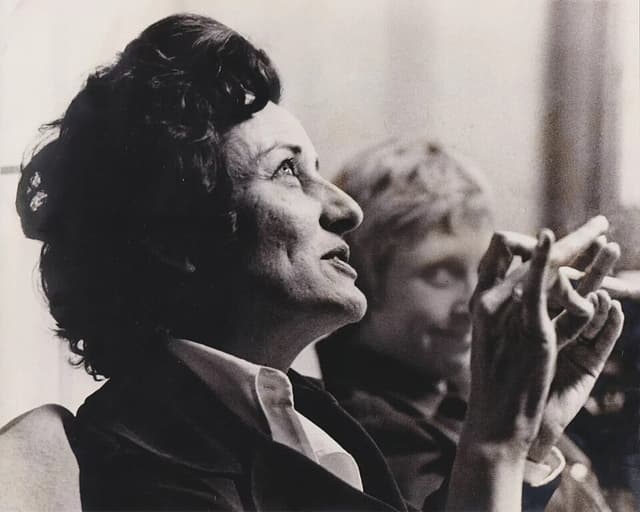
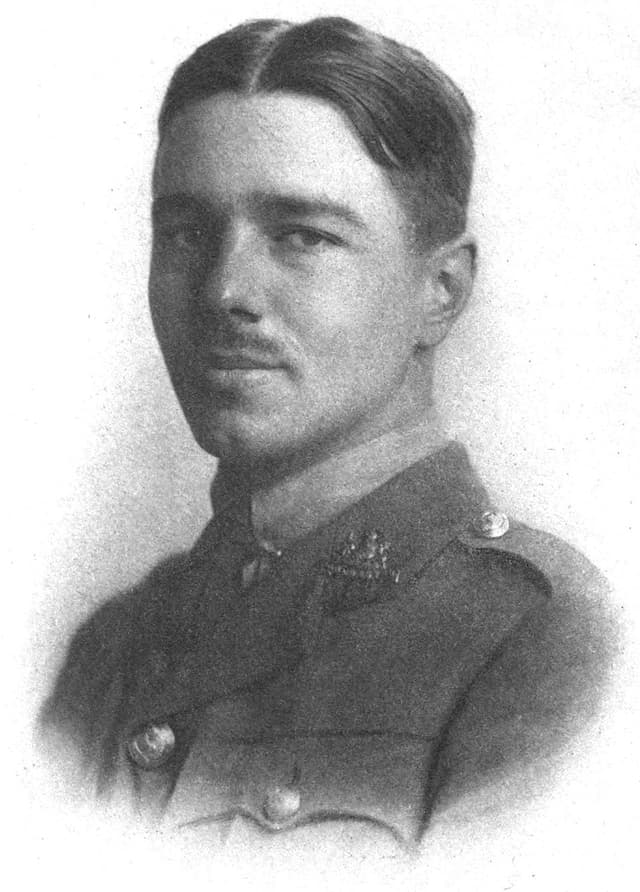

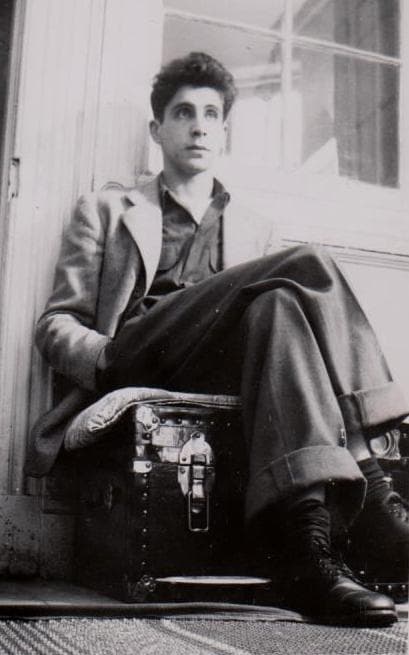
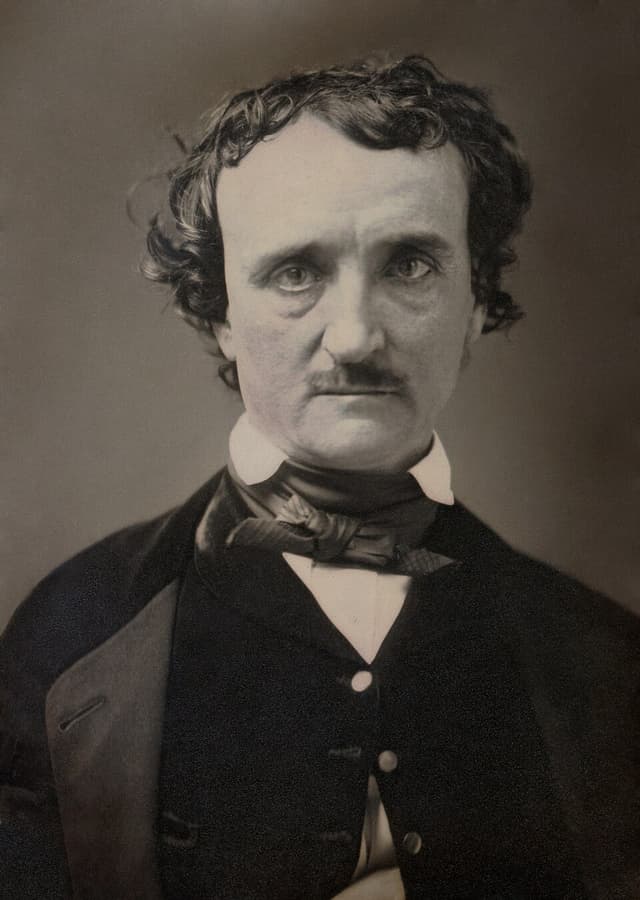
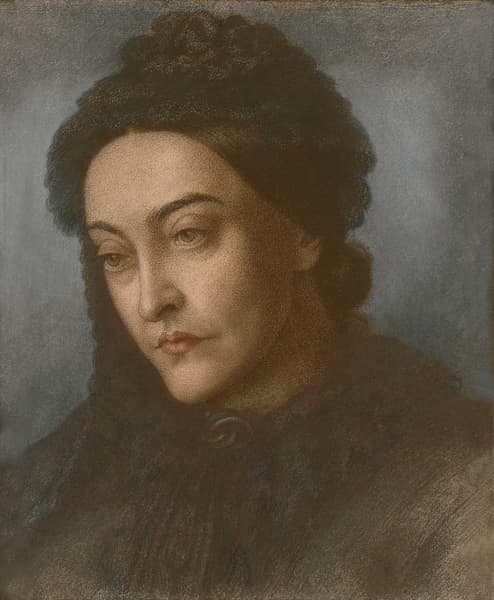
Reading on the move
Short poems about death
Twelve lines or fewer — a curated facet for the commute, the inbox, the lock screen. Hand-filtered for length, sequenced by canonical weight.
66
Under 12 lines
§04 Reader's questions
Questions about death poems
Q.01What are the most famous poems about death?
Answer
A few poems consistently emerge through the ages: John Donne's "Death, Be Not Proud," Dylan Thomas's "Do Not Go Gentle into That Good Night," W.H. Auden's "Funeral Blues," and Mary Oliver's "When Death Comes." Each one approaches the theme of death from a unique perspective — defiance, rage, grief, curiosity — which contributes to their enduring appeal.
Q.02What is an elegy?
Answer
An elegy is a poem crafted to mourn someone who has passed away. This form dates back to ancient Greece and has remained relevant because the need to express grief is timeless. Elegies can range from formal and structured to loose and conversational; what truly defines them is their intent: to honor a particular loss.
Q.03Can poems about death actually help with grief?
Answer
Many people experience this, but not in the same way as therapeutic exercises. A well-written poem about grief can help you feel less isolated in your emotions. It articulates feelings you might struggle to express, which can bring genuine relief. When you read someone else's detailed expression of loss, it can help you better understand and give form to your own grief.
Q.04What's the difference between a poem about death and a poem about grief?
Answer
Death poems confront the reality of dying—exploring its meaning, the feelings that arise when facing it, and what might come after. In contrast, grief poems focus on the experiences of those who remain: how they navigate the void left behind. While there is significant overlap between the two, the emotional core distinguishes them.
Q.05Are there poems about death that aren't sad?
Answer
Plenty. Some poets explore death with curiosity instead of fear — Mary Oliver and Walt Whitman both excel at this. Others use dark humor to lighten the mood. Additionally, some poems about death celebrate life, often feeling more joyful than sorrowful.
Q.06What poetic forms are most commonly used for death poems?
Answer
The elegy is the traditional form, but death appears in sonnets, villanelles, free verse, and prose poems just as frequently. Dylan Thomas effectively utilized the villanelle for "Do Not Go Gentle" — the repetition reflects the struggle against something unavoidable. In death poems, form often serves a significant purpose.
Q.07How do I find a poem to read at a funeral?
Answer
Look for something that resonates with the person, not just the occasion. A poem that truly reflects who they were will have a greater impact than a standard comfort poem. W.H. Auden, Mary Oliver, Wendell Berry, and Rainer Maria Rilke are all great places to start. Read it aloud to yourself first—the way it sounds is just as important as the message it conveys.
Q.08Why do poets write about death so much?
Answer
Because it's the one experience that everyone faces and yet nobody can fully grasp. It's the edge of human understanding, and poetry has always been attracted to such boundaries. Writing about death also allows us to explore what makes life meaningful — the two topics are intertwined.