Poets have always understood this feeling better than therapists or philosophers, because poetry doesn’t aim to fix sorrow — it just coexists with it. A good sorrow poem makes you feel less isolated under its weight. It reassures you: yes, this is real, and you are not broken for carrying it.
This tradition is rich and extensive. From the biblical laments of the Psalms to the Romantic odes of Keats, from the blues-infused lines of Langston Hughes to the stark, haunting poems of Louise Glück, writers have repeatedly turned to sorrow as a theme because it’s one of the most genuine emotions a human can experience. It defies performance. You can pretend to be happy, angry, or confident — but sorrow is authentic in its expression.
On this page, you'll find poems that take sorrow seriously: as an emotion that deserves exploration, that invites you to sit with it, and sometimes — not always, but sometimes — encourages you to find beauty within it.
The Reader's Atlas · Chapter Mortality & time
Poems About Sorrow in the open canon
What do you reach for when grief weighs heavily on your chest and you can't put it into words for anyone? That's the essence of most searches for poems about sorrow. It's not the clear-cut, identifiable pain of loss — that's grief, and it comes with its own rituals. Sorrow is something deeper and quieter. It doesn’t…
- Indexed poems
- 698
- Indexed poets
- 97
- Short poems
- 97
§01 Opening
On sorrow
A reader's preface to the theme — what to listen for as you move through the poems below.
Where to begin with sorrow
Three ways in01 · Most-read entry
1492
by Emma Lazarus, 1883
Read the line-by-line analysis, themes, and historical context for this entry in Storgy's index.
02 · Editor's pick
Acon
by H. D., 1924
Read the line-by-line analysis, themes, and historical context for this entry in Storgy's index.
03 · Counterpoint
Adam's Curse
by W. B. Yeats, 1903
Read the line-by-line analysis, themes, and historical context for this entry in Storgy's index.
§03 The index
Every poem in this theme
- 01
1492
Emma Lazarus1883PD - 02
Acon
H. D.1924Excerpt - 03
Adam's Curse
W. B. Yeats1903PD - 04
A Dream Within a Dream
Edgar Allan Poe1849PD - 05
Ancient Music
Ezra Pound1916Excerpt - 06
A New Madrigal to an Old Melody
Alfred Noyes1922Excerpt - 07
An Open Boat
Alfred Noyes1922Excerpt - 08
Anthem for Doomed Youth
Wilfred Owen1920PD - 09
A Red, Red Rose
Robert Burns1794PD - 10
Beethoven in Central Park
Alfred Noyes1922Excerpt - 11
Blackberry Picking
Seamus Heaney1966Excerpt - 12
Break, Break, Break
Alfred, Lord Tennyson1842PD - 13
Cousin Kate
Christina Rossetti1862PD - 14
Cuckoo Song
H. D.1924Excerpt - 15
Decomposition
Zulfikar Ghose1967Excerpt - 16
Demeter
H. D.1921Excerpt - 17
Disabled
Wilfred Owen1917PD - 18
Dusting the Phone
Jackie Kay1991Excerpt - 19
Dust of Snow
Robert Frost1923Excerpt - 20
Easter Wings
George Herbert1633PD
The remaining 678 poems about sorrow are indexed but not yet featured here. Use the search index in the footer to surface them.
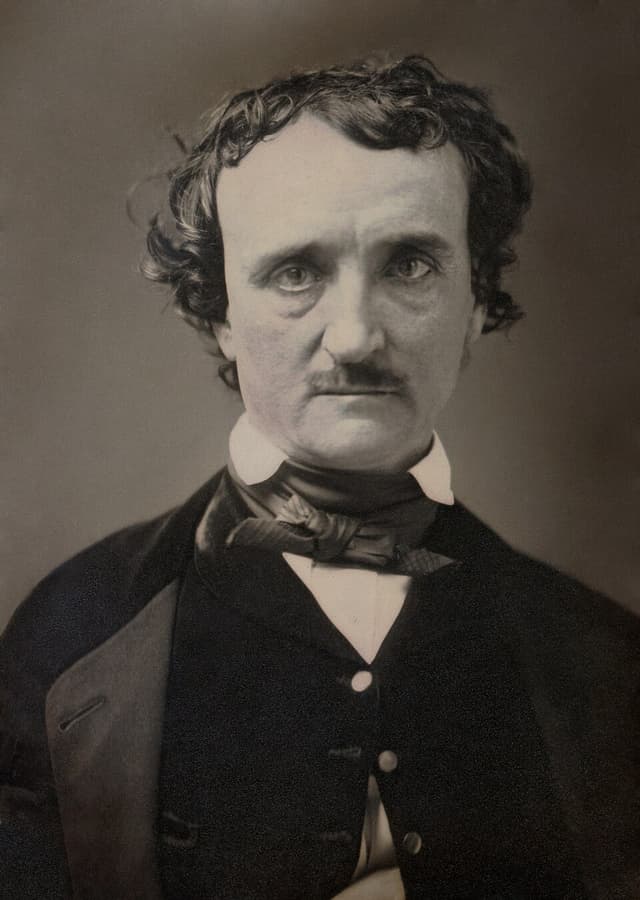
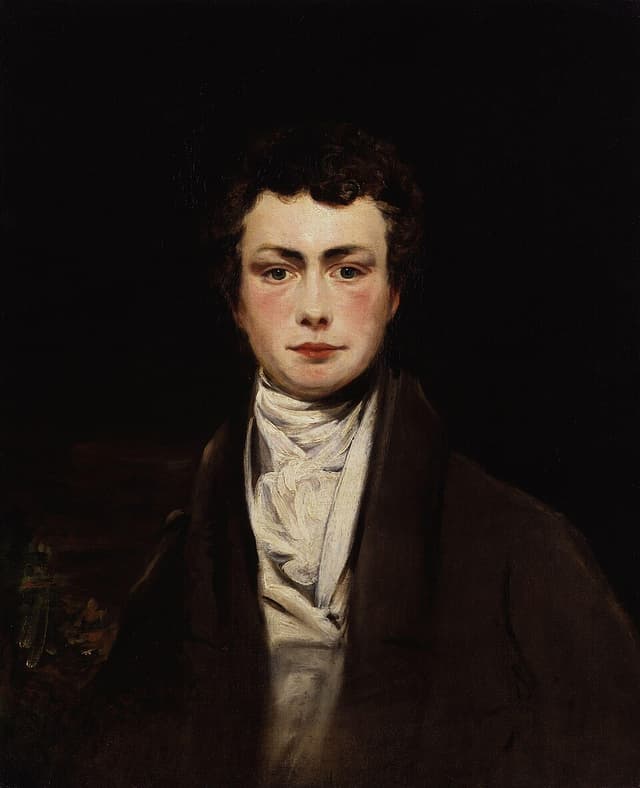
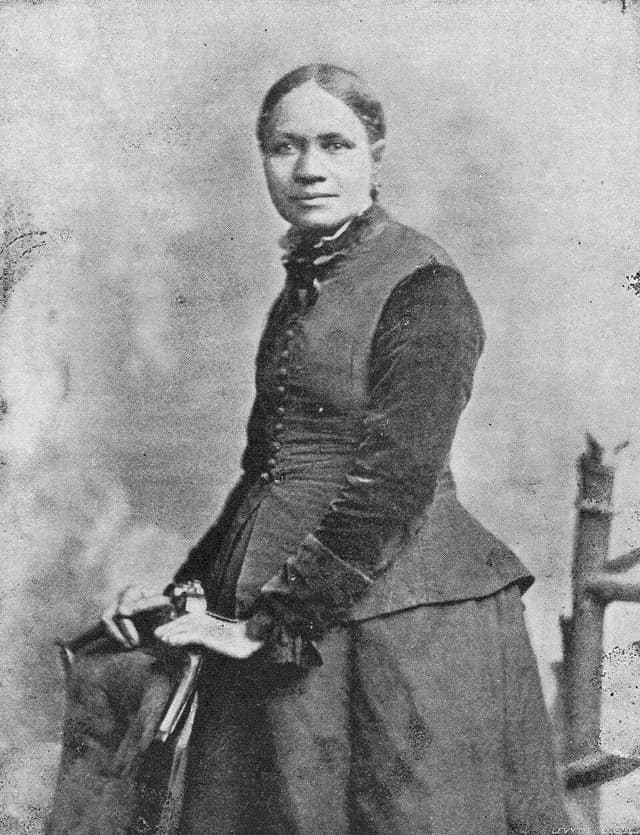
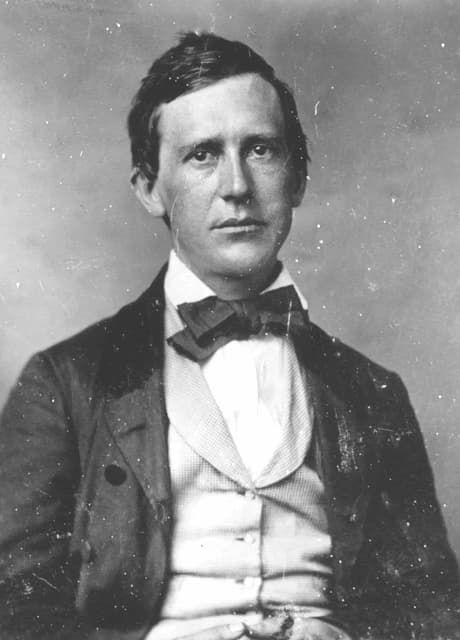
Notable poets on sorrow
Cartography


Reading on the move
Short poems about sorrow
Twelve lines or fewer — a curated facet for the commute, the inbox, the lock screen. Hand-filtered for length, sequenced by canonical weight.
97
Under 12 lines
§04 Reader's questions
Questions about sorrow poems
Q.01What is the difference between sorrow and grief in poetry?
Answer
Grief in poetry often focuses on something specific — like a deceased loved one, a lost relationship, or a home that’s no longer there. Sorrow, on the other hand, feels more nebulous. It’s the emotional backdrop left by grief or a sadness that comes on its own. Many poets view sorrow as a constant thread in human existence, rather than just a reaction to a single event.
Q.02Which poets are most associated with sorrow?
Answer
John Keats explored sorrow, portraying it as something almost beautiful in its depth, with his Ode on Melancholy serving as a prime example. Pablo Neruda captured heartbreak and sorrow in his Twenty Love Poems. Louise Glück revisits sorrow consistently throughout her work, often with a cool, precise perspective. Langston Hughes infused sorrow into the blues tradition, adding rhythm and a sense of shared experience.
Q.03Can a poem about sorrow actually make you feel better?
Answer
Often, yes — but not in a way that cheers you up. A sorrow poem helps you feel seen. When a poet articulates something you've been holding in silence, your feelings begin to shift. They don't vanish, but they transform into something you can examine instead of something that just weighs you down.
Q.04What is the difference between sorrow and melancholy in poetry?
Answer
Melancholy has a rich literary tradition as a temperament — a philosophical sadness that the Romantics particularly linked to artistic sensitivity. Sorrow feels more immediate and relatable, lacking the aesthetic quality of melancholy. While the two emotions can overlap, melancholy often suggests a certain distance or even enjoyment in the sadness, whereas sorrow feels more raw and unfiltered.
Q.05Why do so many sorrow poems use imagery from nature?
Answer
Nature offers poets a means to express their inner feelings without needing to articulate them explicitly. Rain, bare trees, winter light, still water—these images evoke emotions that resonate with readers even before they start to think about them. They also serve as a reminder that sorrow exists within a broader cycle, which can bring a sense of quiet comfort.
Q.06Are there sorrow poems that aren't sad to read?
Answer
Yes. Some of the most powerful sorrow poems can feel exhilarating, as the precise and beautiful writing transforms the craft into a source of joy. Mary Oliver exemplifies this—her ability to write about loss often leaves you feeling oddly alive. The emotion conveyed in the poem and the experience of reading it don’t necessarily have to align.
Q.07What poetic forms are commonly used for sorrow?
Answer
The elegy is the classic form for expressing sorrow and loss, but you'll find sorrow in odes, sonnets, free verse, and prose poems too. Shorter forms—like haiku and lyric fragments—capture sorrow effectively since they remain brief and impactful. In poetry, sorrow often becomes more powerful through restraint.
Q.08How do I write a poem about sorrow without it feeling self-indulgent?
Answer
The key is to be specific. Vague sadness often comes off as self-pity; a clear image or moment feels more truthful. Rather than writing about your sadness, focus on the object sitting on the kitchen table, the unique quality of the light, or the exact words someone spoke. Allow the sorrow to emerge from the details instead of stating it outright.