Poets have been exploring this topic since the dawn of writing. They return to it not because they have all the answers, but because it’s a question that’s too significant to ignore. Mortality provides rich material for poetry because it demands honesty. You can’t be vague about death for long without the poem falling apart. The best poems on this subject don’t offer easy reassurances—they sit with you in the discomfort, making it feel, in some way, a bit less isolating.
In mortality poetry, you’ll encounter two main impulses. The first is resistance: think of Dylan Thomas's fierce defiance against the dying of the light, where the speaker refuses to fade quietly. The second is acceptance: consider Mary Oliver’s invitation to reflect on what you’ll do with your one wild and precious life, embracing a Zen-like surrender to the unchangeable. Most powerful poems on this theme find a home in the tension between these two extremes. They don’t dictate how to feel about death; instead, they capture what it’s like to be alive while fully aware that life won’t last forever.
The Reader's Atlas · Chapter Mortality & time
Poems About Mortality in the open canon
What do you say about the fact that you're going to die? That’s the question at the heart of nearly every poem reflecting on mortality. It’s not just the clinical reality of it, but the heaviness it brings—how it lingers in the air when you watch someone you love grow older, or when you wake up at 3 a.m. and the…
- Indexed poems
- 534
- Indexed poets
- 113
- Short poems
- 53
§01 Opening
On mortality
A reader's preface to the theme — what to listen for as you move through the poems below.
Where to begin with mortality
Three ways in01 · Most-read entry
Acceptance
by Robert Frost, 1928
Read the line-by-line analysis, themes, and historical context for this entry in Storgy's index.
02 · Editor's pick
A Dream Within a Dream
by Edgar Allan Poe, 1849
Read the line-by-line analysis, themes, and historical context for this entry in Storgy's index.
03 · Counterpoint
After Apple-Picking
by Robert Frost, 1914
Read the line-by-line analysis, themes, and historical context for this entry in Storgy's index.
§03 The index
Every poem in this theme
- 01
Acceptance
Robert Frost1928Excerpt - 02
A Dream Within a Dream
Edgar Allan Poe1849PD - 03
After Apple-Picking
Robert Frost1914Excerpt - 04
A New Madrigal to an Old Melody
Alfred Noyes1922Excerpt - 05
An Open Boat
Alfred Noyes1922Excerpt - 06
A Valediction: Forbidding Mourning
John Donne1633PD - 07
Break, Break, Break
Alfred, Lord Tennyson1842PD - 08
Buffalo Bill's Defunct
E. E. Cummings1920Excerpt - 09
Climbing My Grandfather
Andrew Waterhouse2000Excerpt - 10
Compensations
Alfred Noyes1922Excerpt - 11
Concord Hymn
Ralph Waldo Emerson1837PD - 12
Crossing Brooklyn Ferry
Walt Whitman1856PD - 13
Darkness
George Gordon Byron1816PD - 14
Death Be Not Proud
John Donne1633PD - 15
Death by Water
T. S. Eliot1922Excerpt - 16
Demeter
H. D.1921Excerpt - 17
Easter Wings
George Herbert1633PD - 18
Egypt
H. D.1924Excerpt - 19
Fire and Ice
Robert Frost1920Excerpt - 20
First Fig
Edna St. Vincent Millay1920PD
The remaining 514 poems about mortality are indexed but not yet featured here. Use the search index in the footer to surface them.
Notable poets on mortality
Cartography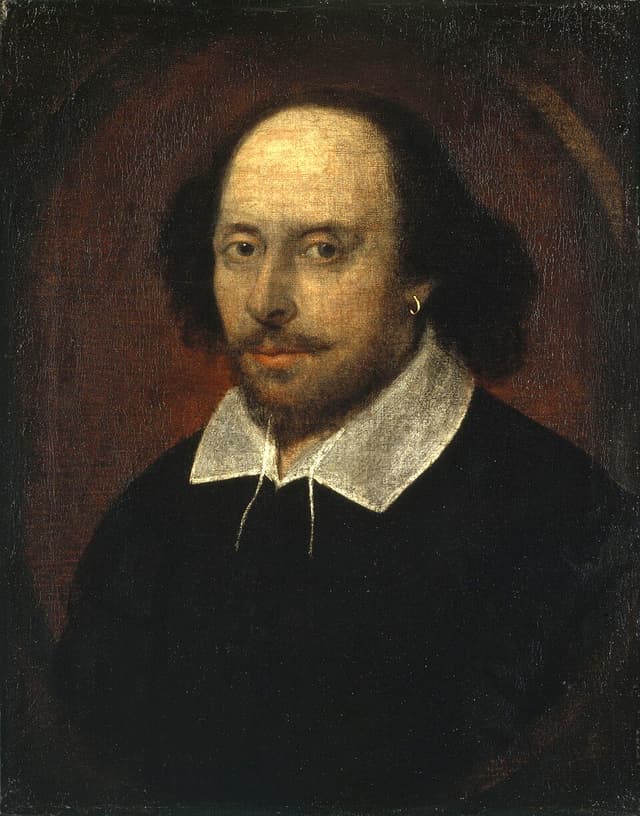
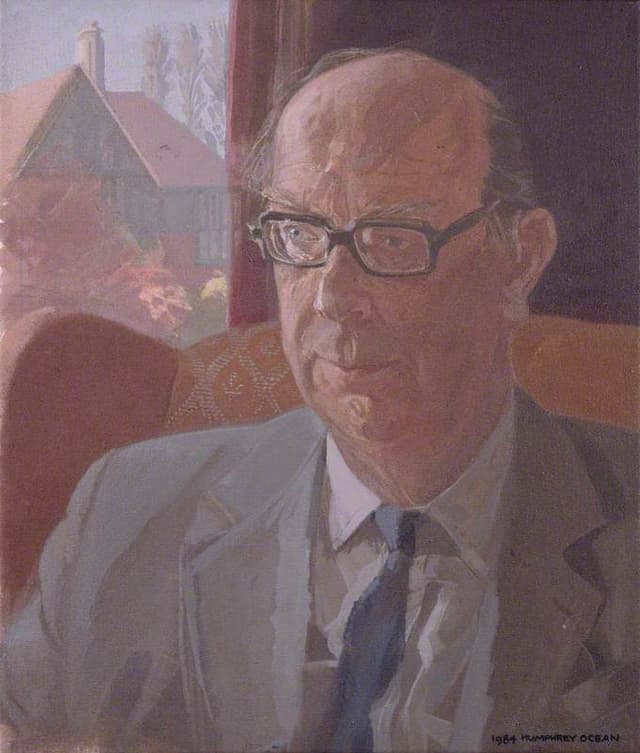
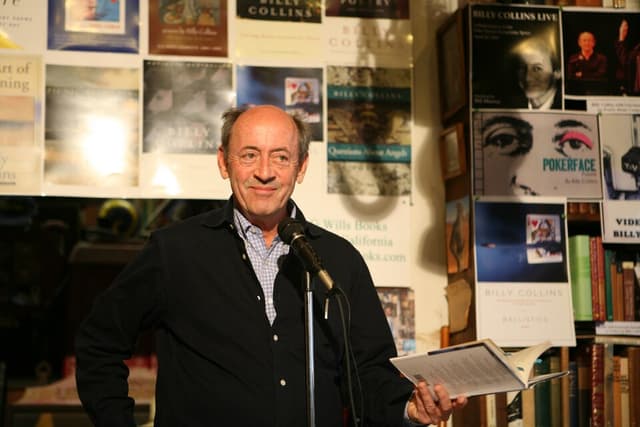
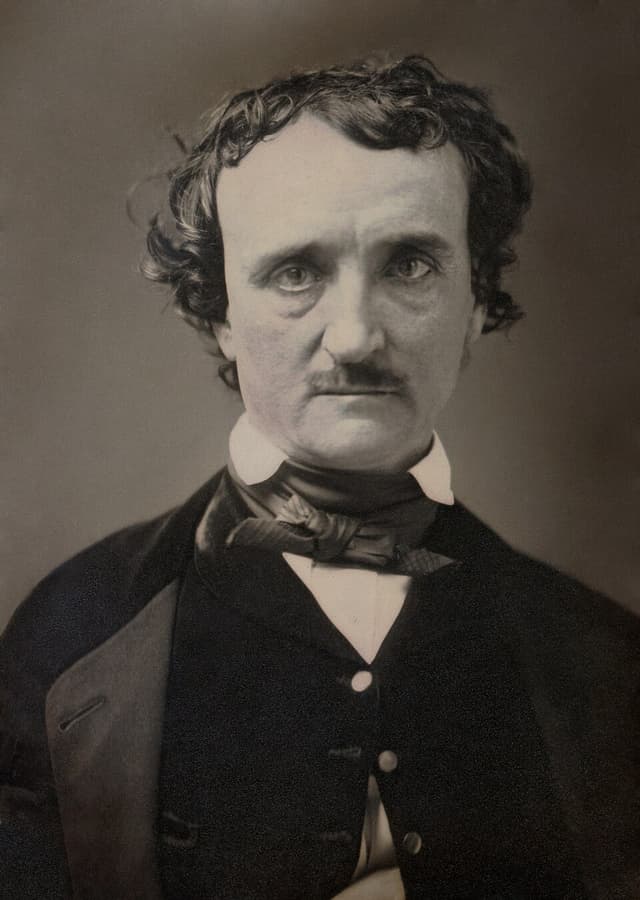
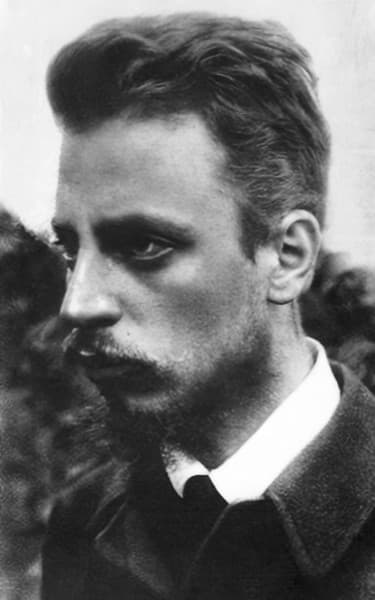
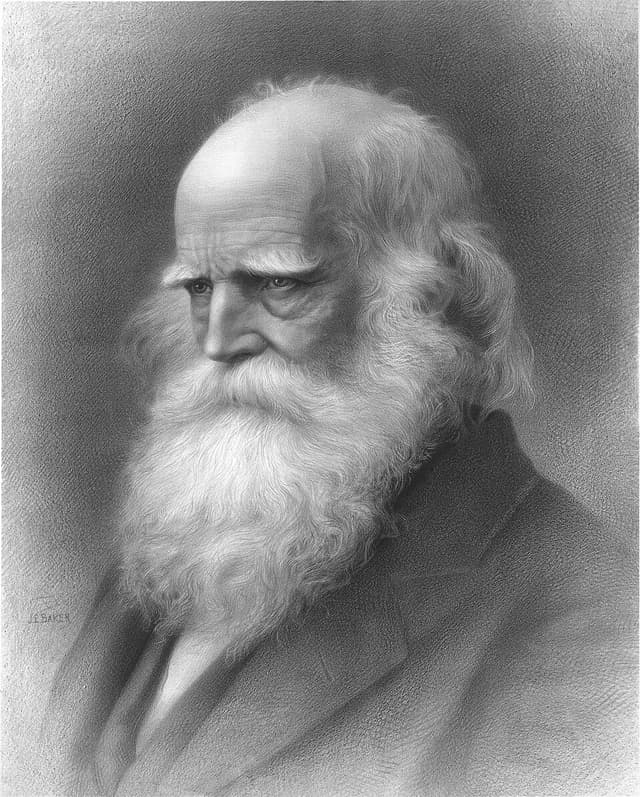
Reading on the move
Short poems about mortality
Twelve lines or fewer — a curated facet for the commute, the inbox, the lock screen. Hand-filtered for length, sequenced by canonical weight.
53
Under 12 lines
§04 Reader's questions
Questions about mortality poems
Q.01Why do poets write so much about death?
Answer
Because it's the one experience that all readers have in common. A poem about a specific heartbreak might not resonate with everyone, but a poem about mortality reaches anyone who has ever loved something they understood they would eventually lose — and that's all of us.
Q.02What is an elegy?
Answer
An elegy is a poem that expresses sorrow for someone who has passed away. It typically has a loose three-part structure: expressing grief, offering praise, and providing consolation. However, many contemporary elegies forego the consolation aspect and focus solely on the experience of loss.
Q.03What's the difference between a poem about death and an elegy?
Answer
An elegy mourns a particular individual or loss. In contrast, a poem that explores death or mortality often takes a more philosophical approach — reflecting on the nature of death, the passage of time, the physical body, and the implications of our finitude. While there is considerable overlap between the two, they are distinct forms of expression.
Q.04What are some of the most famous poems about mortality?
Answer
Some recurring favorites include Dylan Thomas's "Do Not Go Gentle into That Good Night," John Keats's "Ode to a Nightingale," Emily Dickinson's "Because I could not stop for Death," Mary Oliver's "When Death Comes," and W.H. Auden's "Funeral Blues."
Q.05How do poets make poems about death feel life-affirming rather than depressing?
Answer
Typically, the poem draws on specific, sensory details — like the smell of a certain room, the sound of a voice, or the feel of an ordinary afternoon. When death contrasts with the vibrancy of lived experiences, it makes both seem more tangible and more valuable.
Q.06What is a memento mori, and how does it show up in poetry?
Answer
Memento mori is Latin for "remember that you will die." This tradition in art and literature juxtaposes reminders of death with images of life — like a skull on a desk or a wilting flower. In poetry, it frequently presents a beautiful scene suddenly interrupted by a stark reminder of impermanence.
Q.07Can poems about mortality be funny?
Answer
Sure thing. Some of the most poignant mortality poems cleverly employ dark humor to express what pure solemnity fails to convey. Poets such as Philip Larkin and Ogden Nash discovered that a well-timed joke can reveal a truth about death that a serious tone would keep hidden.
Q.08What's the carpe diem tradition in poetry?
Answer
Carpe diem — "seize the day" — is a poetic tradition that emphasizes the awareness of mortality as a reason to live life to the fullest in the present moment. A prime example of this is Andrew Marvell's "To His Coy Mistress," but this theme has appeared in poetry from ancient Rome all the way to today.