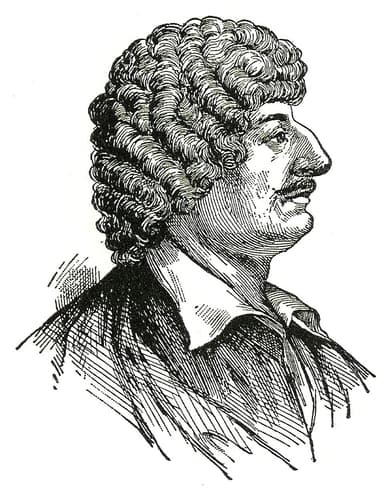
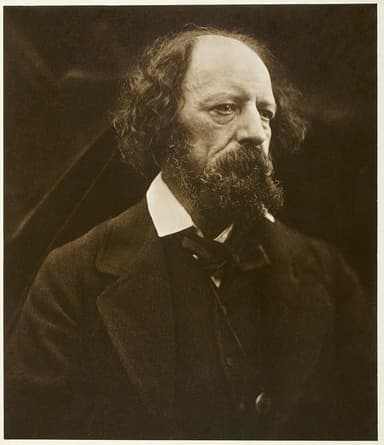
Omar Khayyam was born in 1048 in Nishapur, a city located in present-day northeastern Iran, and he lived until 1131—a long life that witnessed one of the most chaotic centuries in the medieval world, marked by the rise of the Seljuk Empire and the turmoil of the First Crusade. By any standard, he was one of the most extraordinary thinkers of his time.
In the English-speaking world, most people recognize Khayyam from Edward FitzGerald's 1859 translation of the *Rubaiyat*, which is a loose interpretation of his four-line Persian poems known as *ruba'i* (plural: *rubaiyat*). FitzGerald's rendition captivated Victorian England and breathed new life into Khayyam as a poet associated with wine, roses, and philosophical acceptance. However, the real Khayyam encompassed much more than that.
“During his lifetime, he gained fame primarily as a mathematician and astronomer.”
He developed a systematic approach to cubic equations that surpassed the achievements of Greek mathematicians, and he played a role in a calendar reform initiated by the Seljuk sultan Malik-Shah, resulting in a solar year that was more accurate than the Gregorian calendar adopted in Europe centuries later. He also authored significant philosophical works that engaged with the thoughts of Avicenna and the wider Islamic intellectual tradition.
His poetry coexisted with these pursuits, though its significance during his lifetime is harder to ascertain. The *rubaiyat* consists of short, four-line poems—concise, self-contained, and often intentionally provocative. They challenge divine justice, celebrate earthly delights, confront death with a certain defiance, and reject easy comfort. Scholars have debated for centuries whether Khayyam intended these poems as genuine skepticism, Sufi allegory, or something in between. Their resistance to a single interpretation is part of what keeps them relevant.