Poetry has always been an eager partner to beauty. It ventures into realms that prose often avoids: the unique quality of light on a winter afternoon, the way someone's face transforms with laughter, the bittersweet feeling that arises when you encounter something truly perfect. Poets don’t merely describe beauty; they engage with it, lament it, question it, and sometimes even revere it.
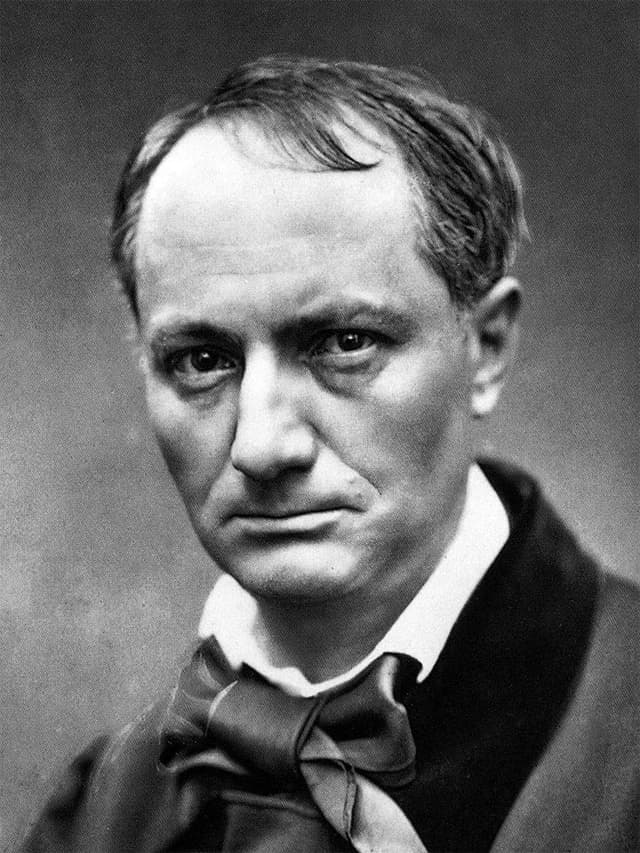
This tradition flows in countless directions. Keats proclaimed that beauty is truth, framing it as a guiding philosophy. Baudelaire discovered beauty amid decay and urban grime. Mary Oliver found it nestled close to the earth, in grasshoppers and mud. Sappho portrayed it as a visceral experience. What unites them is the belief that beauty is more than mere adornment — it conveys vital information about what it means to exist and be conscious in a body within a constantly shifting world.
The poems inspired by this theme vary from unrestrained celebration to subdued sorrow. Beauty in poetry is often intertwined with the passage of time, as the very essence of beauty frequently lies in the awareness that it is transient. That tension — between what is breathtaking and what is fleeting — is where many of the finest poems thrive.
The Reader's Atlas · Chapter Spirit, beauty & world
Poems About Beauty in the open canon
What is it about beauty that compels us to capture it in words? This question lies at the heart of nearly every search for "poems about beauty" — not just pondering *what beauty is*, but exploring why it feels so urgent, so fleeting, and so difficult to express with everyday language.
- Indexed poems
- 467
- Indexed poets
- 129
- Short poems
- 82
§01 Opening
On beauty
A reader's preface to the theme — what to listen for as you move through the poems below.
Where to begin with beauty
Three ways in01 · Most-read entry
A Bird, came down the Walk
by Emily Dickinson, 1891
Read the line-by-line analysis, themes, and historical context for this entry in Storgy's index.
02 · Editor's pick
Adam's Curse
by W. B. Yeats, 1903
Read the line-by-line analysis, themes, and historical context for this entry in Storgy's index.
03 · Counterpoint
Ancient Music
by Ezra Pound, 1916
Read the line-by-line analysis, themes, and historical context for this entry in Storgy's index.
§03 The index
Every poem in this theme
- 01
A Bird, came down the Walk
Emily Dickinson1891PD - 02
Adam's Curse
W. B. Yeats1903PD - 03
Ancient Music
Ezra Pound1916Excerpt - 04
A Prayer for my Daughter
W. B. Yeats1919PD - 05
Ars Poetica
Archibald MacLeish1926Excerpt - 06
At Baia
H. D.1921Excerpt - 07
Cities
H. D.1916Excerpt - 08
Cuckoo Song
H. D.1924Excerpt - 09
Disillusionment of Ten O'Clock
Wallace Stevens1915PD - 10
Evening
H. D.1916Excerpt - 11
First Fig
Edna St. Vincent Millay1920PD - 12
Fog
Carl Sandburg1916Excerpt - 13
Garden
H. D.1916Excerpt - 14
He Wishes for the Cloths of Heaven
W. B. Yeats1899PD - 15
Hugh Selwyn Mauberley
Ezra Pound1920Excerpt - 16
Hymen
H. D.1921Excerpt - 17
I like to see it lap the Miles
Emily Dickinson1891PD - 18
In a Station of the Metro
Ezra Pound1913Excerpt - 19
I Sing the Body Electric
Walt Whitman1855PD - 20
I Wandered Lonely as a Cloud
William Wordsworth1807PD
The remaining 447 poems about beauty are indexed but not yet featured here. Use the search index in the footer to surface them.
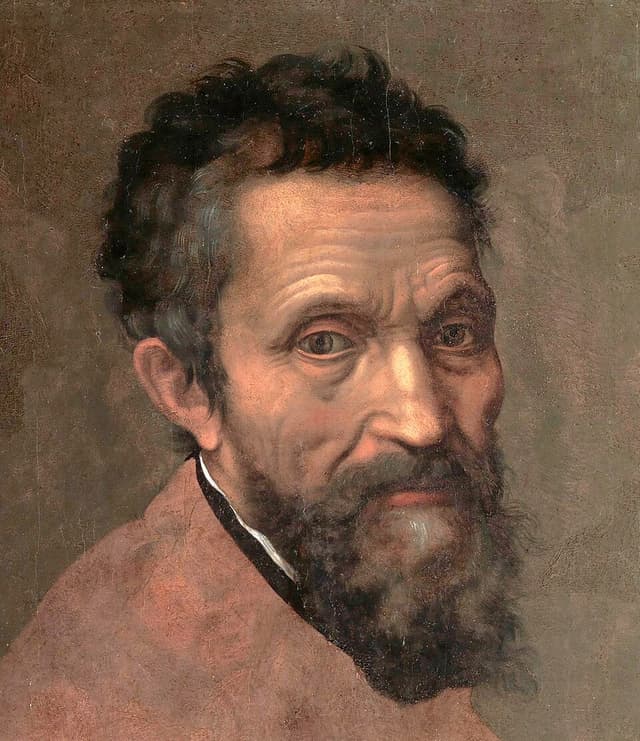
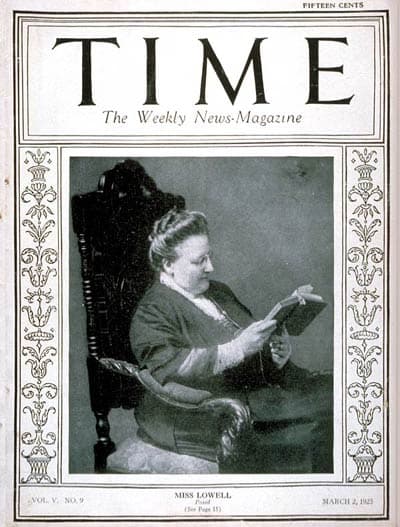
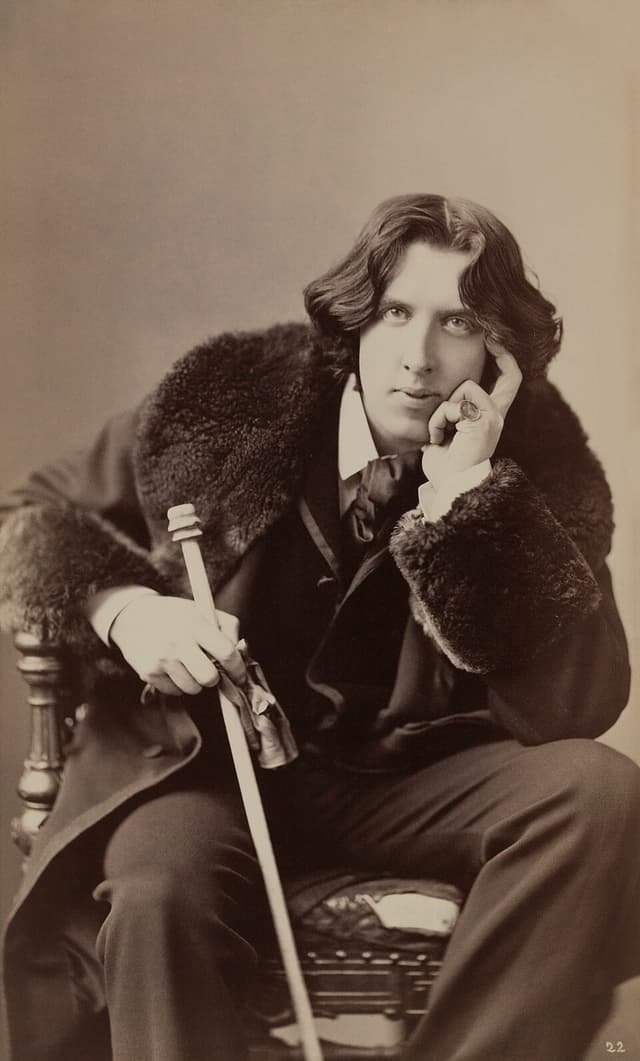
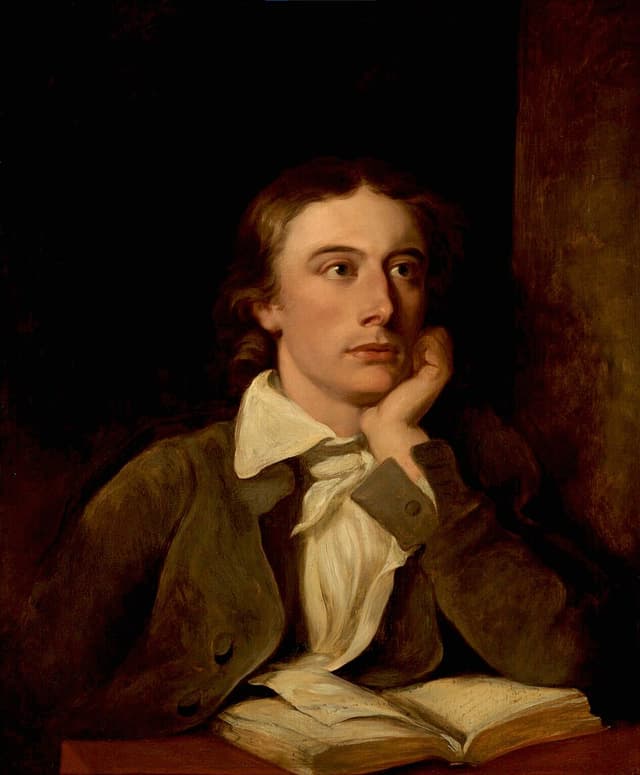
Notable poets on beauty
Cartography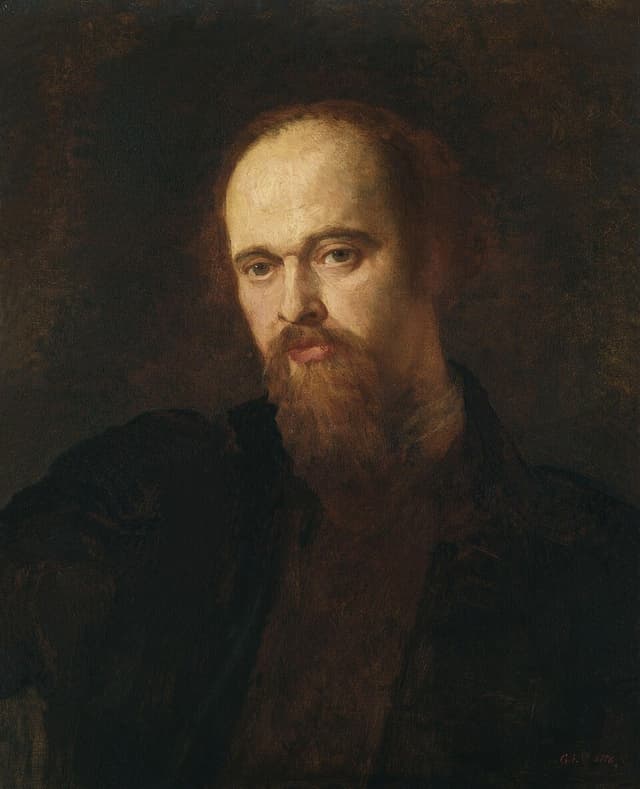
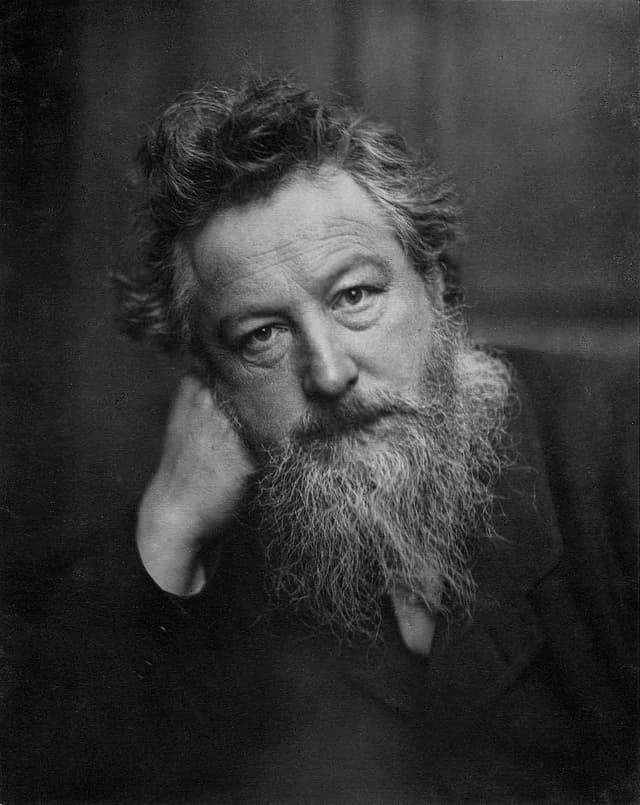
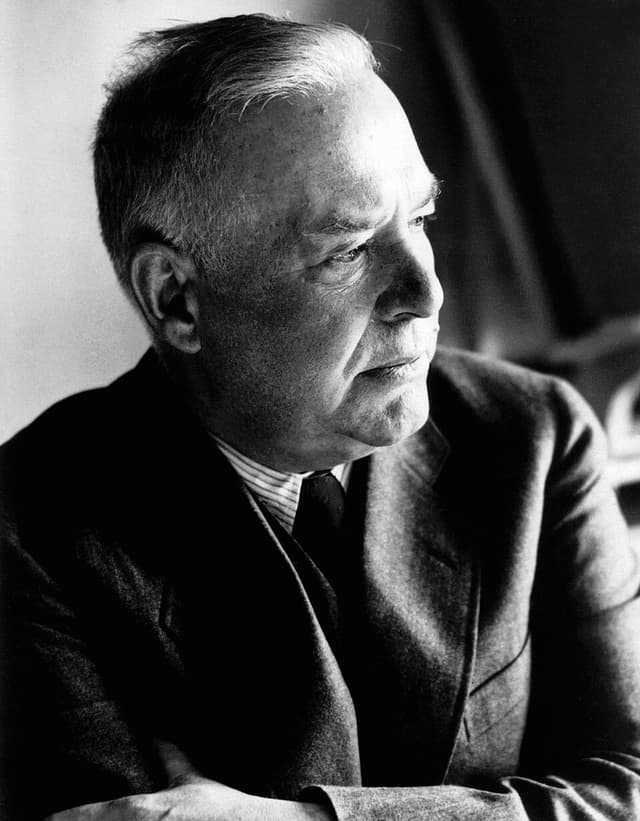
Reading on the move
Short poems about beauty
Twelve lines or fewer — a curated facet for the commute, the inbox, the lock screen. Hand-filtered for length, sequenced by canonical weight.
82
Under 12 lines
§04 Reader's questions
Questions about beauty poems
Q.01What do poems about beauty most commonly explore?
Answer
Most poems about beauty don't merely describe something pretty — they explore why beauty impacts us so deeply. A common theme is the connection between beauty and loss: things often seem most beautiful when we realize they won't last. You’ll also encounter poems that challenge whose definition of beauty matters, as well as those that find beauty in surprising, even challenging places.
Q.02What is the most famous poem about beauty?
Answer
Keats's "Ode on a Grecian Urn" (1819) is likely the most talked-about poem, concluding with the lines "Beauty is truth, truth beauty" — a statement that's sparked debate for years. Other notable works include Rilke's "Archaic Torso of Apollo," which finishes with the striking command "You must change your life," and Edna St. Vincent Millay's sonnets, which explore beauty as both a gift and a source of pain.
Q.03How do poets write about beauty without being sentimental?
Answer
The best ones create friction. They combine something beautiful with elements that threaten or contradict it—like time, death, ugliness, or indifference. They also focus on specifics: a single flower on a particular morning is far more impactful than the vague phrase "nature's splendor." Specificity is what keeps a beauty poem genuine.
Q.04Are there poems about beauty that aren't about nature or romantic love?
Answer
Plenty. Poets have celebrated the beauty of mathematics, the charm of cities at night, the weight of grief, the reality of aging bodies, the dignity of manual labor, and the power of silence. Frank O'Hara discovered beauty in lunch breaks and the hustle of Manhattan traffic. Lucille Clifton embraced the beauty of her own body on its own terms. The theme extends far beyond just flowers and lovers.
Q.05Why do so many poems about beauty also feel sad?
Answer
Because beauty and impermanence go hand in hand in human experience. We recognize something as beautiful partly because we understand it won't last — like a sunset, a face, or a season. Poets are particularly sensitive to this, often capturing the moment just before the beauty fades. That's where the real emotion lies.
Q.06What's the difference between a poem that describes beauty and one that actually achieves it?
Answer
A poem that describes beauty simply tells you something is beautiful. A poem that truly captures it makes you feel it — that catch in your chest, that sudden spark of attention. This often boils down to vivid imagery, a rhythm that matches the emotion, and the poet holding back from explaining what you ought to feel.
Q.07Do modern poets still write about beauty, or does it feel old-fashioned?
Answer
Contemporary poets frequently explore the concept of beauty, though they tend to approach it with more skepticism than earlier generations. A significant body of work examines who is deemed beautiful and the implications of that designation. Poets such as Ocean Vuong, Ross Gay, and Ada Limón tackle beauty head-on, infusing their discussions with a blend of skepticism and political awareness, alongside a sense of wonder.