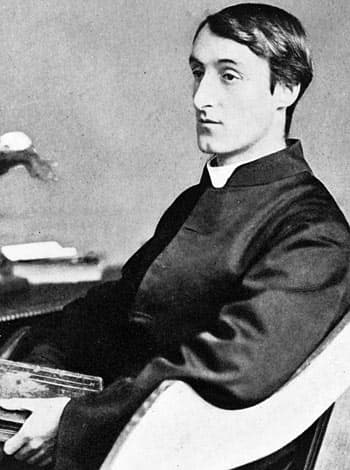
Wallace Stevens led a quietly remarkable double life in American literature. Born in 1879 in Reading, Pennsylvania, he grew up in a middle-class family, showed early talent as a writer, and attended Harvard, where he contributed to the literary magazine and immersed himself in the aesthetic discussions of the late nineteenth century. Later, he shifted gears to law, graduating from New York Law School in 1903, and spent years navigating legal work before securing a position at the Hartford Accident and Indemnity Company in Connecticut.
That insurance job is the detail everyone highlights when discussing Stevens, and it's easy to see why — he stayed there for the duration of his career, eventually becoming vice president. He walked to the office, managed surety claims, and then returned home to write some of the most philosophically ambitious poetry in the English language. His coworkers reportedly had little clue about his after-hours activities.
“His first major collection, *Harmonium*, was published in 1923 when he was already in his forties.”
It made a modest splash commercially but captivated the poets and critics who discovered it. Stevens then went silent for nearly a decade before resurfacing with *Ideas of Order* in 1936; after that, he produced work consistently: *The Man with the Blue Guitar*, *Notes Toward a Supreme Fiction*, *The Auroras of Autumn*, and finally *The Rock*, which was included in his *Collected Poems* in 1954, the year before his death.
Near the end of his life, he received the Pulitzer Prize and the National Book Award, recognition that many felt was long overdue. He passed away in Hartford in 1955, having spent decades hardly leaving Connecticut.