The answer is both. Poems about art have existed as long as art itself, and they serve various purposes. Some are ekphrastic — meaning they focus on a specific painting, sculpture, or photograph to explore broader themes like grief, power, desire, or the passage of time. Keats did this with a Grecian urn, while Auden examined Bruegel's Icarus, who falls into the sea as everyone else goes about their lives. W.C. Williams captured the essence of everyday life with a red wheelbarrow and a white chicken, transforming ordinary moments into art.
Other poems take a more personal approach. They explore what it means to create — to face a blank page or a lump of clay and strive to bring something genuine into existence. These poems often reflect on failure as much as success, highlighting the distance between what you envisioned and what you actually produced.
Then there are poems that view art as a means of survival. They argue that creating, observing, and being inspired by art is not just a luxury but a necessity, something essential to the human experience.
No matter what draws you to this theme, you’ll discover poems here that take art seriously while maintaining a lighthearted tone.
The Reader's Atlas · Chapter Spirit, beauty & world
Poems About Art in the open canon
What do poems about art really accomplish — do they simply describe paintings, or are they delving into something harder to articulate, like the feeling of suddenly being less alone when standing in front of a canvas?
- Indexed poems
- 478
- Indexed poets
- 87
- Short poems
- 77
§01 Opening
On art
A reader's preface to the theme — what to listen for as you move through the poems below.
Where to begin with art
Three ways in01 · Most-read entry
Ancient Music
by Ezra Pound, 1916
Read the line-by-line analysis, themes, and historical context for this entry in Storgy's index.
02 · Editor's pick
Anecdote of the Jar
by Wallace Stevens, 1919
Read the line-by-line analysis, themes, and historical context for this entry in Storgy's index.
03 · Counterpoint
Ars Poetica
by Archibald MacLeish, 1926
Read the line-by-line analysis, themes, and historical context for this entry in Storgy's index.
§03 The index
Every poem in this theme
- 01
Ancient Music
Ezra Pound1916Excerpt - 02
Anecdote of the Jar
Wallace Stevens1919PD - 03
Ars Poetica
Archibald MacLeish1926Excerpt - 04
Beethoven in Central Park
Alfred Noyes1922Excerpt - 05
Cotton-Wool
Alfred Noyes1907Excerpt - 06
Decomposition
Zulfikar Ghose1967Excerpt - 07
Envoi
Alfred Noyes1922Excerpt - 08
Fashions
Alfred Noyes1922Excerpt - 09
Five Criticisms
Alfred Noyes1922Excerpt - 10
Hugh Selwyn Mauberley
Ezra Pound1920Excerpt - 11
I like to see it lap the Miles
Emily Dickinson1891PD - 12
I’m Nobody! Who are you?
Emily Dickinson1891PD - 13
Miniver Cheevy
Edwin Arlington Robinson1907PD - 14
Poetry
Marianne Moore1919Excerpt - 15
Portrait of a Lady
William Carlos Williams1920Excerpt - 16
pot
Shamshad Khan2008Excerpt - 17
Prayer
H. D.1924Excerpt - 18
Sailing to Byzantium
W. B. Yeats1927PD - 19
Sea Iris
H. D.1916Excerpt - 20
Sea Poppies
H. D.1916Excerpt
The remaining 458 poems about art are indexed but not yet featured here. Use the search index in the footer to surface them.
Notable poets on art
Cartography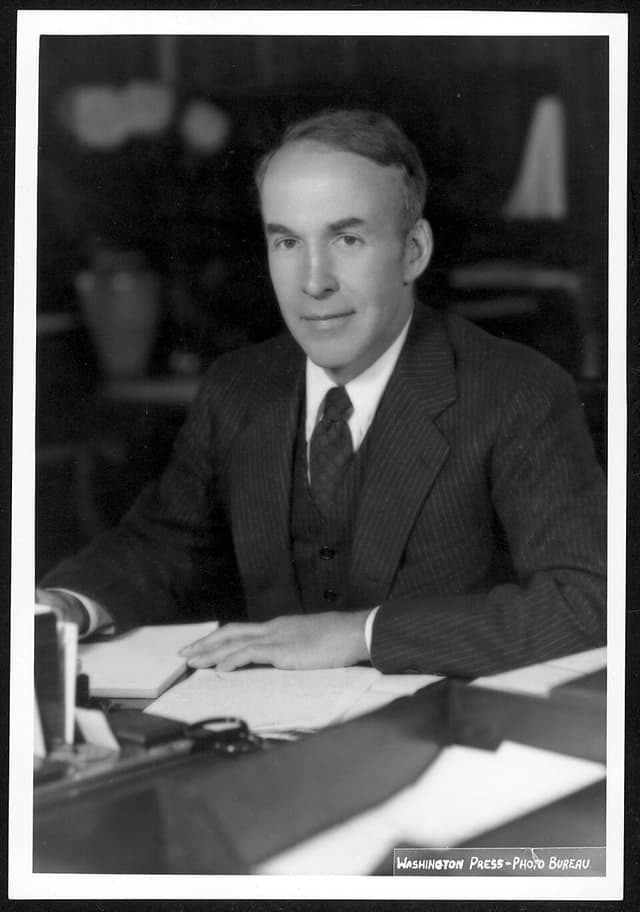
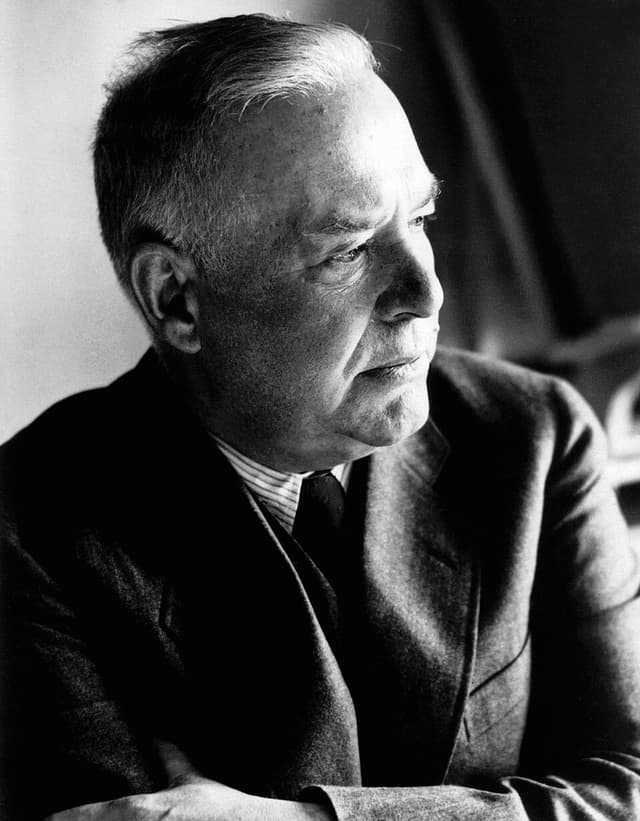
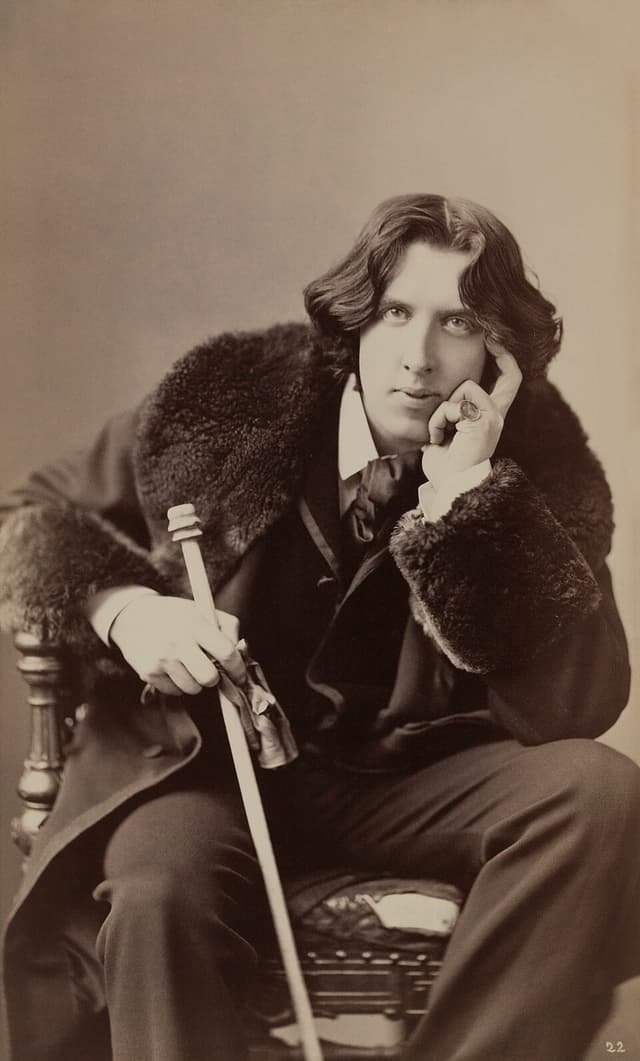
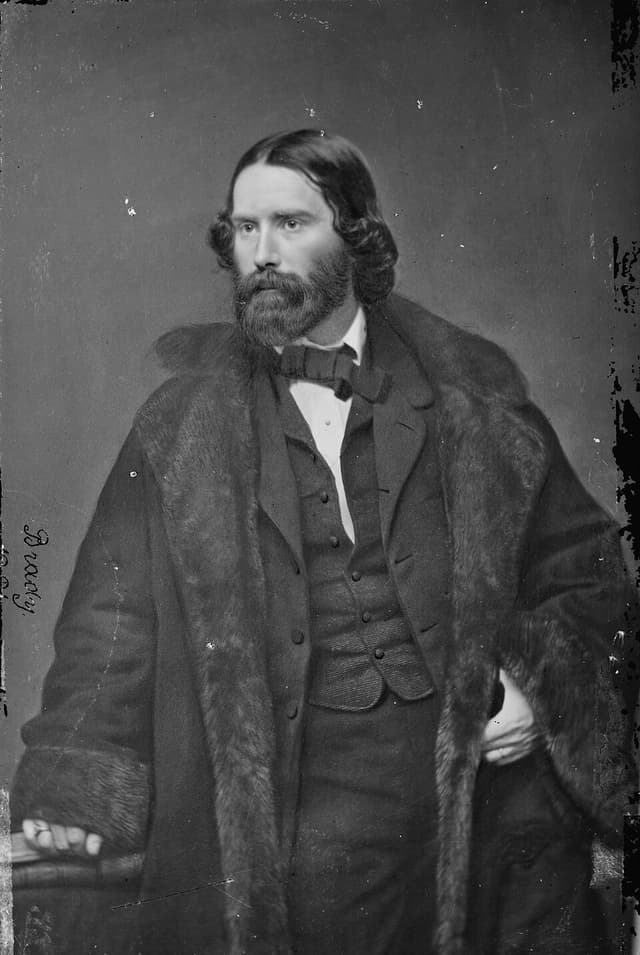
Reading on the move
Short poems about art
Twelve lines or fewer — a curated facet for the commute, the inbox, the lock screen. Hand-filtered for length, sequenced by canonical weight.
77
Under 12 lines
§04 Reader's questions
Questions about art poems
Q.01What is an ekphrastic poem?
Answer
An ekphrastic poem engages with a piece of visual art — whether that's a painting, sculpture, photograph, or even a film. Instead of merely describing the artwork, the poem uses it as a springboard to delve into deeper themes. Two well-known examples are Keats's "Ode on a Grecian Urn" and Auden's "Musée des Beaux Arts."
Q.02Why do poets write about paintings and sculptures?
Answer
Because a fixed image and a moving poem create a dynamic tension. A painting captures a moment, while a poem develops over time. When a poet observes a painting, they can wonder about what happened before, what comes next, and whose story remains untold. This approach breathes life into something that is otherwise static.
Q.03Are there famous poems about the creative process?
Answer
Plenty. Rilke explored the struggle of creating something meaningful in his Letters to a Young Poet. In "Lady Lazarus," Sylvia Plath examines self-reinvention as a haunting form of art. Mary Oliver repeatedly highlighted the act of paying attention as a vital part of creativity. The creative process has long been a central theme in poetry.
Q.04What's the difference between a poem about art and a poem that is art?
Answer
Every poem is a form of art, but not every poem focuses on art itself. A poem about art explicitly explores the creation, observation, or significance of art. The most effective poems achieve both—discussing what art accomplishes while embodying that very essence.
Q.05Do poems about art have to be about famous masterpieces?
Answer
Not at all. Some of the most captivating poems in this area focus on anonymous objects, folk art, a child's drawing, graffiti on a wall, or a song drifting in through a window. The subject doesn't need a museum label to deserve attention in writing.
Q.06How do poems about music work, since music can't be quoted or shown?
Answer
That's what makes them truly fascinating. Poets who write about music face the challenge of translating sound into words, which is no easy feat — and that challenge is often the essence of their work. They focus on what music does to a listener instead of just describing how it sounds, and this approach reveals a wealth of depth.
Q.07Is there a tradition of poems about art as political resistance?
Answer
A powerful one. Poets facing censorship or oppression have historically written about art — creating it, concealing it, smuggling it — as an act of resistance. Osip Mandelstam in Stalin's Russia, Nazim Hikmet in a Turkish prison, Audre Lorde discussing poetry as a means of survival: this tradition spans the globe and continues today.
Q.08What tone do poems about art usually take?
Answer
It varies a lot. Some responses are reverent, others skeptical, and some even humorous. Auden's "Musée des Beaux Arts" has a wry tone, while Frank O'Hara's poems about paintings read like lively conversations. There's no single tone, which is part of what keeps this theme vibrant.