Doubt in poetry isn’t the same as despair or disbelief. It exists in the space between the two—a restless, sometimes painful area where you can’t return to certainty but also can’t fully let it go. Gerard Manley Hopkins wrote from within that space, as did Emily Dickinson, who viewed faith and doubt not as opposites but more like two neighbors who endlessly bicker through a thin wall.
What makes doubt such fertile ground for poets is its physicality as much as its intellectual nature. Your hands may tremble. The church can feel empty. The words of a prayer might lose their meaning. Poets understand that the body senses doubt before the mind acknowledges it, and the most powerful poems on this subject dive right into that embodied experience.
Whether you're seeking poems that grapple with religious faith, those that explore self-doubt before a major decision, or poems that embrace not-knowing as a form of wisdom, you’ll discover that doubt has been one of poetry’s most genuine and lasting themes.
The Reader's Atlas · Chapter The interior
Poems About Doubt in the open canon
What do you reach for when you're uncertain about your faith—whether in God, in love, in yourself, or in the story you've been telling about your life? That’s the heart of many searches for poems about doubt. Interestingly, poetry has long been a refuge for this question, as it can embrace uncertainty without needing…
- Indexed poems
- 80
- Indexed poets
- 27
- Short poems
- 18
§01 Opening
On doubt
A reader's preface to the theme — what to listen for as you move through the poems below.
Where to begin with doubt
Three ways in01 · Most-read entry
Ash Wednesday
by T. S. Eliot, 1930
Read the line-by-line analysis, themes, and historical context for this entry in Storgy's index.
02 · Editor's pick
Cotton-Wool
by Alfred Noyes, 1907
Read the line-by-line analysis, themes, and historical context for this entry in Storgy's index.
03 · Counterpoint
Envoi
by Alfred Noyes, 1922
Read the line-by-line analysis, themes, and historical context for this entry in Storgy's index.
§03 The index
Every poem in this theme
- 01
Ash Wednesday
T. S. Eliot1930Excerpt - 02
Cotton-Wool
Alfred Noyes1907Excerpt - 03
Envoi
Alfred Noyes1922Excerpt - 04
For Once Then Something
Robert Frost1920Excerpt - 05
Good Friday
Christina Rossetti1866PD - 06
Helios
H. D.1924Excerpt - 07
Mont Blanc
Percy Bysshe Shelley1817PD - 08
The Open Door
Alfred Noyes1922Excerpt - 09
A Fable
James Russell Lowell—PD - 10
Amo Ergo Sum
Anna Laetitia Barbauld—PD - 11
A Mystical Comment on Titian's 'sacred and Profane Love'
James Russell Lowell—PD - 12
And There Thou Shalt Serve Other Gods, Which Neither Thou nor Thy
Percy Bysshe Shelley—PD - 13
A Spiritual Woman
D. H. Lawrence—PD - 14
A Village Church
Henry Wadsworth Longfellow—PD - 15
By Jean Froissart
Henry Wadsworth Longfellow—PD - 16
By Twilight
Algernon Charles Swinburne—PD - 17
Cathedral, The
James Russell Lowell—PD - 18
Christus
Henry Wadsworth Longfellow—PD - 19
Clarin and Moscon as Poor Scholars, with Books
Percy Bysshe Shelley—PD - 20
Credidimus Jovem Regnare
James Russell Lowell—PD
The remaining 60 poems about doubt are indexed but not yet featured here. Use the search index in the footer to surface them.
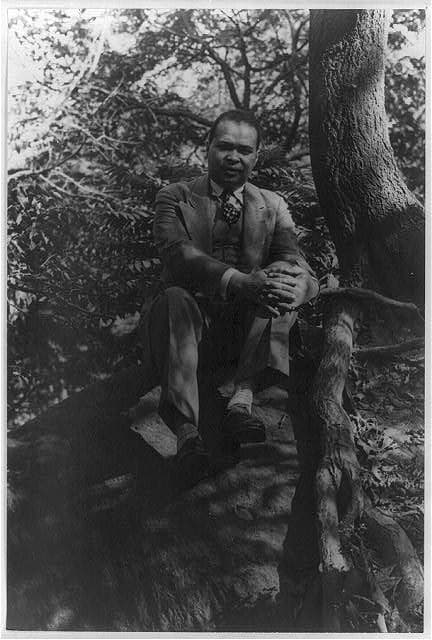
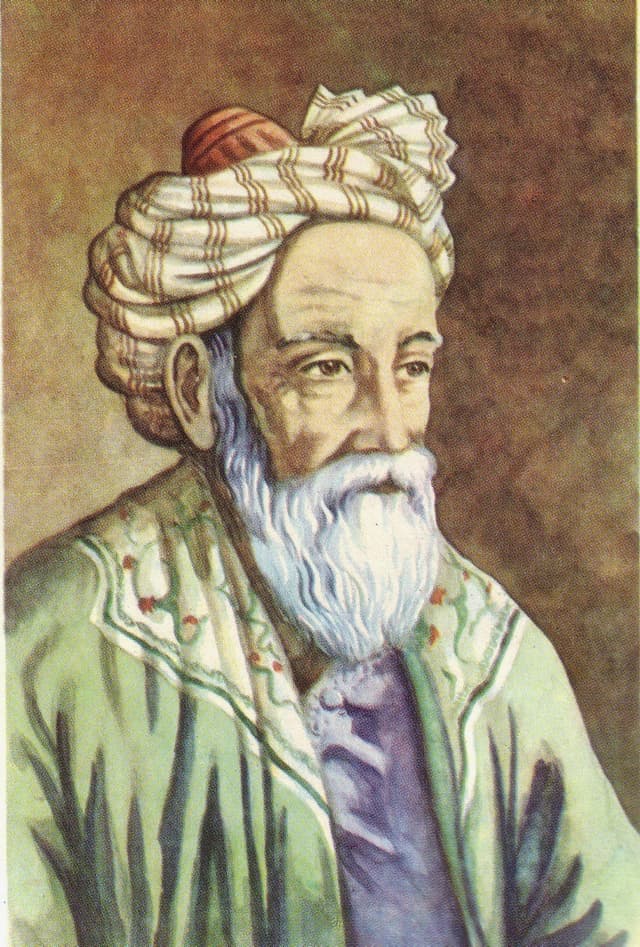
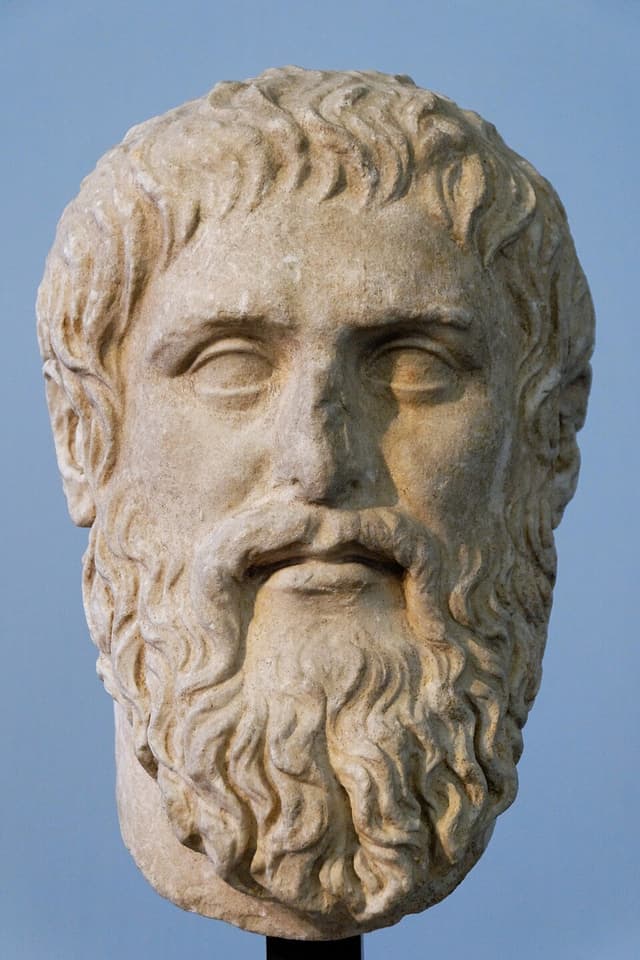
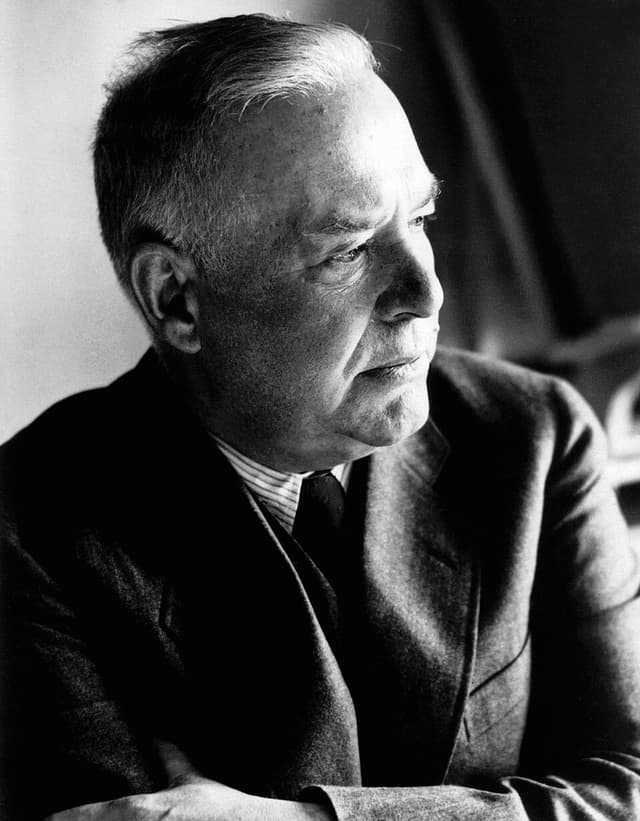
Notable poets on doubt
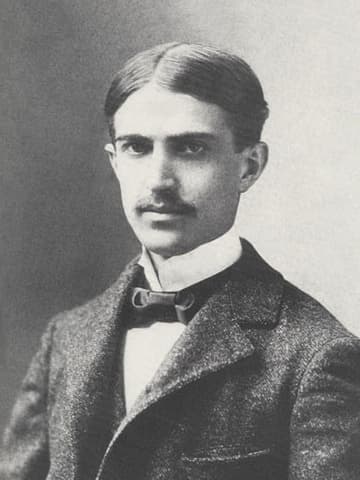
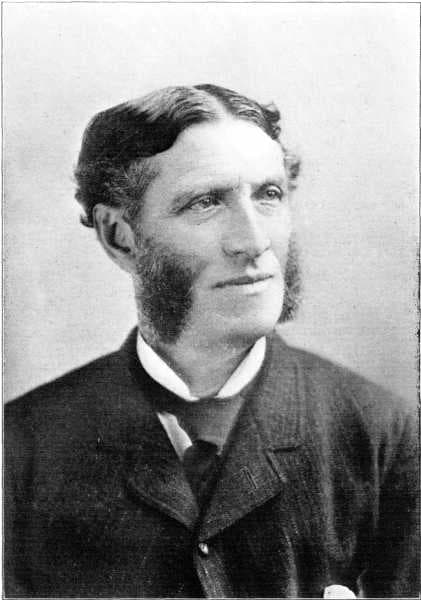
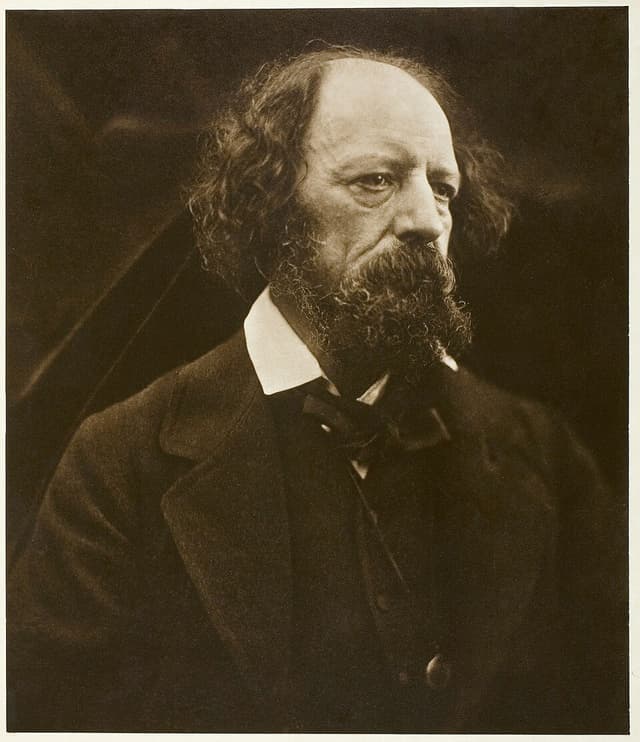
Cartography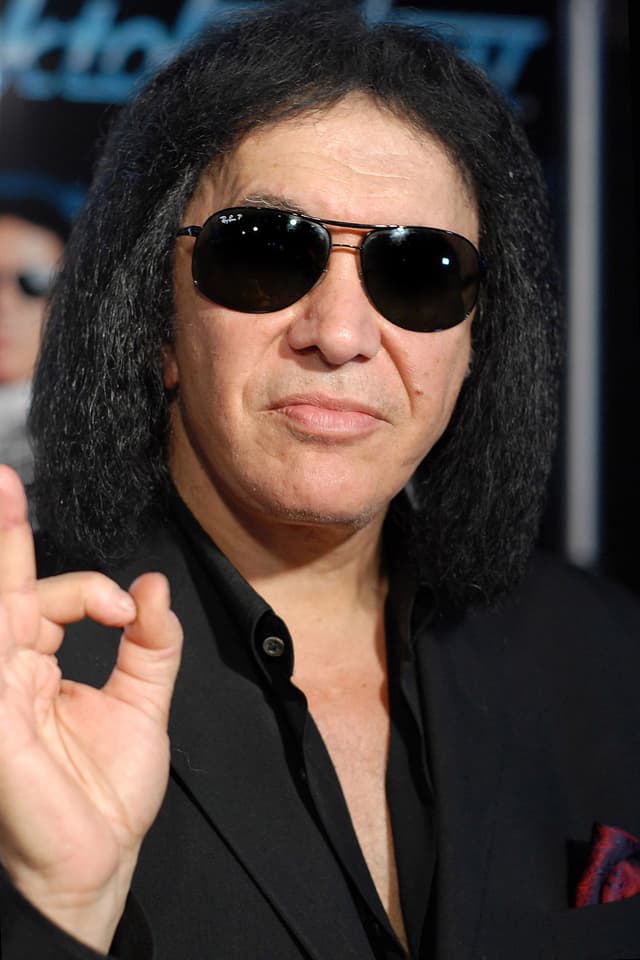
Reading on the move
Short poems about doubt
Twelve lines or fewer — a curated facet for the commute, the inbox, the lock screen. Hand-filtered for length, sequenced by canonical weight.
18
Under 12 lines
§04 Reader's questions
Questions about doubt poems
Q.01Why do so many poets write about doubt?
Answer
Because doubt is one of the most common and uncomfortable human experiences, and poetry thrives on discomfort. A poem doesn’t have to resolve its tension — it can simply embrace it. This makes poetry a fitting space for doubt, which seldom finds neat resolutions in real life, either.
Q.02What's the difference between poems about doubt and poems about despair?
Answer
Despair has thrown in the towel. Doubt, however, is still in the ring—still questioning, still invested in finding an answer. Poems centered on doubt often carry a restless energy that those focused on despair lack. The speaker still yearns to believe in something; they just haven't reached that point yet.
Q.03Which poets are most associated with religious doubt?
Answer
Gerard Manley Hopkins is arguably the most intense poet—his 'terrible sonnets' capture a faith in turmoil from a personal perspective. Emily Dickinson grappled with doubt and belief throughout her entire career. Matthew Arnold's 'Dover Beach' stands out as one of the most well-known poems addressing the loss of religious certainty. Tennyson's In Memoriam unfolds as a lengthy, grief-fueled exploration of doubt that ultimately reaches a place not far from faith.
Q.04Are there poems about self-doubt specifically — not religious doubt?
Answer
Plenty. Self-doubt appears in poems about creativity, identity, and the question of whether you're living the right life. Sylvia Plath captured it with brutal honesty. Anne Sexton did as well. More recently, poets like Maggie Smith and Ocean Vuong delve into the self-doubt that arises from trauma, parenthood, and feeling out of place.
Q.05Can doubt be a positive thing in poetry?
Answer
Yes, and some of the most intriguing poems approach it this way. Keats referred to the ability to remain in uncertainty without frantically seeking facts or reasons as 'negative capability,' believing it was crucial for great poetry. Some poets view doubt not as a lack of faith but as a form of intellectual honesty — even a kind of liberation.
Q.06What's a good short poem about doubt to start with?
Answer
Emily Dickinson's poem 'I know that He exists' serves as an intriguing entry point—it's brief, unusual, and doesn't offer any comforting reassurances. If you're looking for something more contemporary, consider Wisława Szymborska's 'Nothing Twice' or her poem 'Conversation with a Stone,' which approaches doubt as a philosophical perspective instead of a source of pain.
Q.07How do poets use imagery to write about doubt?
Answer
They often reach for things that feel unstable, ambiguous, or difficult to define: fog, thresholds, mirrors, flickering light, and empty rooms. Since doubt is tough to visualize directly, poets explore it indirectly through physical elements — like an open door, a candle extinguishing, or a voice that remains silent.
Q.08Is doubt in love poetry different from spiritual or philosophical doubt?
Answer
The emotional texture is similar — that same vertigo, that same yearning for certainty just out of reach — but love poems about doubt feel more immediate and personal. They focus less on belief systems and more on a specific person, a particular silence, and a moment when you weren't sure what was real.