What makes hope such a compelling topic in poetry is that the most impactful poems about it rarely offer simple comfort. Instead, they often hover on the brink — recognizing how challenging life can be while still affirming that something hopeful is possible. Emily Dickinson described hope as "the thing with feathers," a creature that sings without words and never stops, even during the harshest storms. Langston Hughes pondered what happens to a dream deferred, which really serves as a reflection on hope under pressure. Václav Havel, though writing in prose, thought like a poet when he said hope isn't the belief that everything will turn out well, but the assurance that something makes sense no matter the outcome.
Poems about hope explore themes of grief, survival, political resistance, personal reinvention, and the quiet, everyday act of waking up and trying again. Whether you’re seeking something to read during a tough time, something to share with someone in need, or simply trying to grasp how poets have expressed this feeling throughout history — you’re in the right place.
The Reader's Atlas · Chapter The interior
Poems About Hope in the open canon
What do you reach for when times are tough and you need a poem that reminds you it's worth holding on? That’s the heart of nearly every search for poems about hope — it’s not just a philosophical question, but a genuine, pressing need. Hope has been a central theme in poetry for ages, appearing in many different…
- Indexed poems
- 354
- Indexed poets
- 46
- Short poems
- 63
§01 Opening
On hope
A reader's preface to the theme — what to listen for as you move through the poems below.
Where to begin with hope
Three ways in01 · Most-read entry
Acceptance
by Robert Frost, 1928
Read the line-by-line analysis, themes, and historical context for this entry in Storgy's index.
02 · Editor's pick
A Century Later
by Imtiaz Dharker, 2014
Read the line-by-line analysis, themes, and historical context for this entry in Storgy's index.
03 · Counterpoint
Acon
by H. D., 1924
Read the line-by-line analysis, themes, and historical context for this entry in Storgy's index.
§03 The index
Every poem in this theme
- 01
Acceptance
Robert Frost1928Excerpt - 02
A Century Later
Imtiaz Dharker2014Excerpt - 03
Acon
H. D.1924Excerpt - 04
A Noiseless Patient Spider
Walt Whitman1868PD - 05
A Portable Paradise
Roger Robinson2019Excerpt - 06
A Prayer for my Daughter
W. B. Yeats1919PD - 07
Birches
Robert Frost1915Excerpt - 08
Blackberry Picking
Seamus Heaney1966Excerpt - 09
Cities
H. D.1916Excerpt - 10
Compensations
Alfred Noyes1922Excerpt - 11
Dusting the Phone
Jackie Kay1991Excerpt - 12
Dust of Snow
Robert Frost1923Excerpt - 13
Easter Wings
George Herbert1633PD - 14
England in 1819
Percy Bysshe Shelley1819PD - 15
Fishers of Men
Alfred Noyes1907Excerpt - 16
Helios
H. D.1924Excerpt - 17
If I can stop one heart from breaking
Emily Dickinson1890PD - 18
I Hear America Singing
Walt Whitman1860PD - 19
Immortal Sails
Alfred Noyes1918Excerpt - 20
Infant Joy
William Blake1789PD
The remaining 334 poems about hope are indexed but not yet featured here. Use the search index in the footer to surface them.
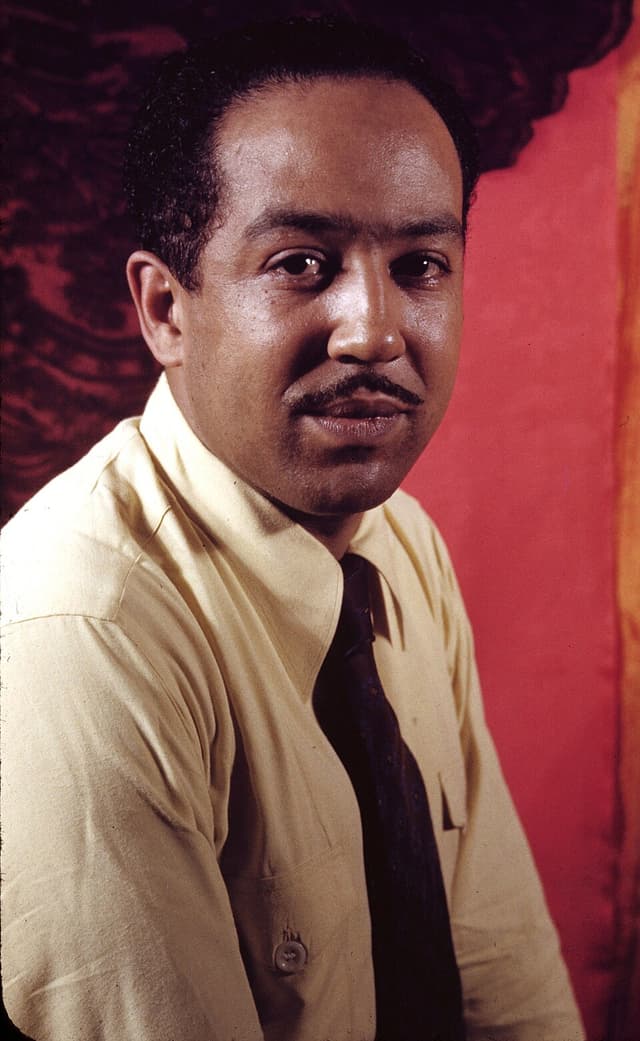
Notable poets on hope
Cartography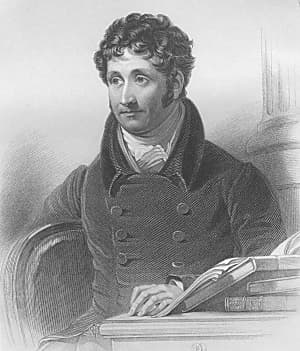

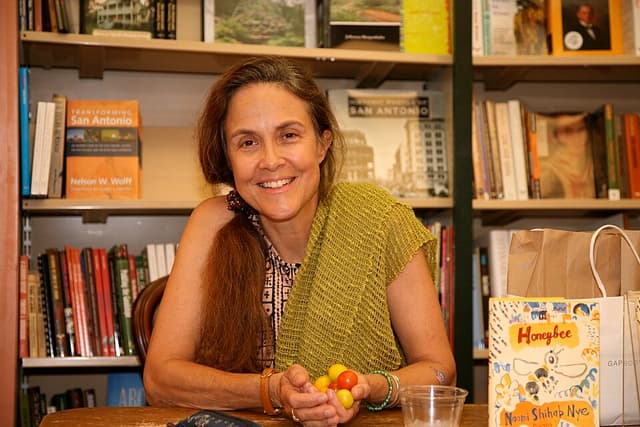
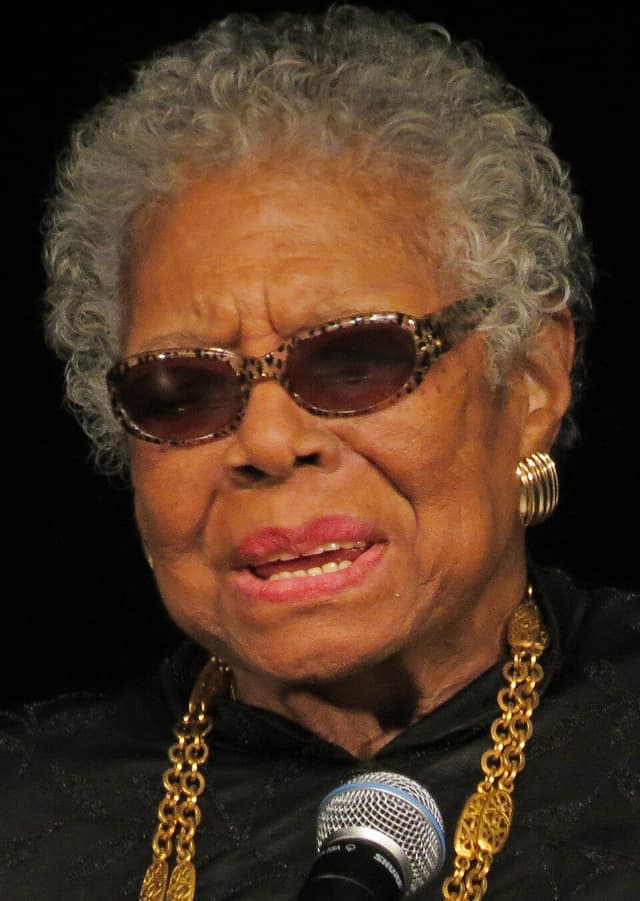
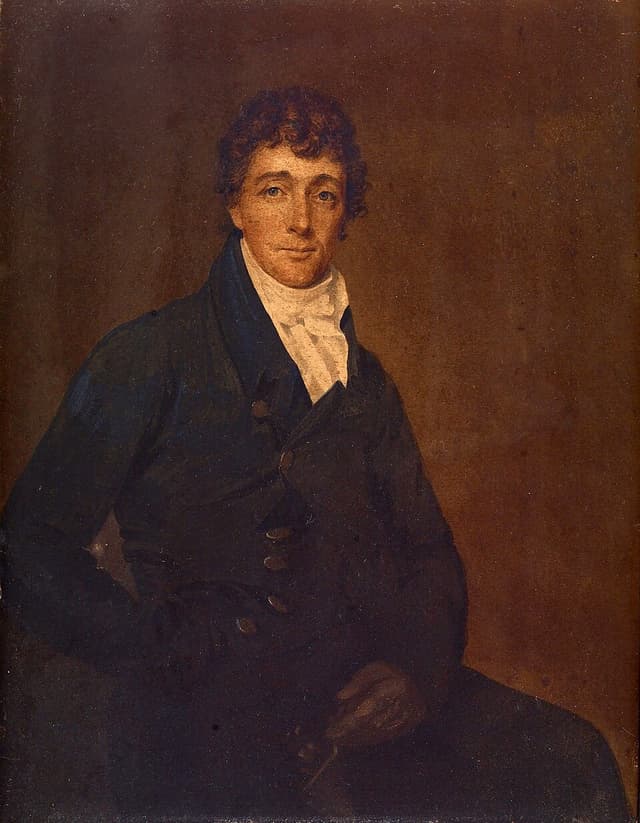
Reading on the move
Short poems about hope
Twelve lines or fewer — a curated facet for the commute, the inbox, the lock screen. Hand-filtered for length, sequenced by canonical weight.
63
Under 12 lines
§04 Reader's questions
Questions about hope poems
Q.01What is the most famous poem about hope?
Answer
Emily Dickinson's "Hope" is the Thing with Feathers (c. 1861) is likely the most famous of her works. It likens hope to a bird that settles in the soul and continues to sing through all circumstances. The poem is brief, unusual, and deeply touching—not your typical greeting-card sentiment at all.
Q.02Are there poems about hope that don't feel cheesy or forced?
Answer
Yes, those are the ones to seek out. The most hopeful poems earn their optimism by confronting difficulty head-on. Works by Langston Hughes, Seamus Heaney, and Wisława Szymborska excel at this — they don't gloss over the tough moments to reach the uplifting ones.
Q.03What's the difference between poems about hope and poems about optimism?
Answer
Optimism is the belief that things will turn out well. Hope is what you cling to even when you're uncertain about the outcome. Poems about hope tend to be more honest and engaging than those focused on optimism, as they don’t need a happy ending to convey their message.
Q.04Are there poems about hope written during war or political oppression?
Answer
Many. Poetry has always been a powerful tool for expressing political hope—consider Pablo Neruda writing under threat in Chile, or the tradition of protest poetry during the American Civil Rights Movement. The works of Langston Hughes, Carolyn Forché, and Anna Akhmatova all embody hope as a form of resistance.
Q.05Can a poem about hope also be a sad poem?
Answer
Absolutely. Some of the most impactful hope poems are actually elegies, written from a place of deep despair. The hope found in these works isn't loud or triumphant; it's often quiet, delicate, or earned through struggle. That tension is what makes them resonate so deeply.
Q.06What imagery do poets most often use to represent hope?
Answer
Birds are prevalent symbols — they evoke freedom, song, and the capacity to soar above challenges. Light (dawn, candles, a crack in the darkness) is another image that frequently appears. Seeds and green growth are common as well, representing life and hope for the future, even amid tough circumstances.
Q.07Are there hope poems suitable for funerals or memorial services?
Answer
Yes. Poems that express both grief and hope are often selected for memorial readings. They recognize the reality of loss without dismissing it, while also suggesting the existence of something lasting. Mary Oliver's poetry is often chosen for this reason, as is the work of Rainer Maria Rilke.
Q.08How do I find a hope poem for a specific situation — illness, a friend in crisis, a hard year?
Answer
The sub-themes on this page are a great place to start. Check out Hope in Grief and Loss if you're coping with bereavement, Resilience and Survival for someone facing illness or a tough journey, and Small, Everyday Hope if you’re looking for something subtle and reassuring instead of something more dramatic.