Skip to content
Storgy

The Poet Index · Entry 107

Naomi Shihab Nye
Poems

Lifespan
b. 1952
Nationality
United States
Indexed Works
0

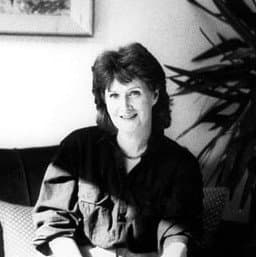
Naomi Shihab Nye was born in 1952 in St. Louis, Missouri, to a Palestinian father and an American mother—a blend that would influence her writing profoundly.

Editorial intro

Storgy editorial

Editorial intro

Naomi Shihab Nye created a body of work that consistently uncovers the moral weight hidden within ordinary things — a fig, a gate, a stranger's name — without making readers feel lectured. This ability to elevate the mundane to the sacred is uniquely hers among American poets. Born in St. Louis to a Palestinian father and an American mother, her teenage years in Jerusalem and decades in San Antonio inform her writing, allowing her to navigate two worlds simultaneously. This perspective grants her access to a tenderness that avoids sentimentality.

Nye has influenced a generation of poets who address identity and place without resorting to abstraction, and her anthologies have subtly transformed how young readers in America engage with poetry. First-time readers often notice two aspects: her minimal effort to achieve profundity and her deep trust in small details to convey significant grief. Her poems about the Arab American experience, particularly those after September 11, do not argue but rather witness. This restraint contributes to their enduring nature. If you read one poem, let it enlighten you about the experience of holding two homes simultaneously and the refusal to abandon either.

Recurring themes

Biographical record

About Naomi Shihab Nye

Naomi Shihab Nye was born in 1952 in St. Louis, Missouri, to a Palestinian father and an American mother—a blend that would influence her writing profoundly. She began crafting poems at just six years old, which might seem like a charming detail until you realize she never truly stopped. By her teenage years, she had already seen her work published in children's magazines.

During her teenage years, her family spent a year in Jerusalem, an experience that immersed her in different cultures, languages, and meanings of home—sources she continually taps into in her writing. Eventually, they settled in San Antonio, Texas, where she has spent most of her adult life. Texas plays a significant role in her work; the landscape, the people, and the borderland essence of the American Southwest all find their way into her poetry with vivid detail.

Nye’s poetry strikes a balance between accessibility and depth.

She has an extraordinary ability to uncover the moral significance hidden in everyday objects and fleeting moments—a fig, a gate, a stranger on a plane. Her Palestinian heritage weaves through her work not as a political statement but as a lived experience: themes of grief, displacement, and the relentless bonds that endure despite distance. Following September 11, 2001, she actively wrote and spoke about the Arab American experience, determined to convey its complexity rather than allow it to be reduced to stereotypes.

She has published more than thirty-five books, spanning poetry, young-adult fiction, picture books, and novels, and has edited several acclaimed anthologies of poetry for young readers. Her dedication to young audiences is sincere—she spent years visiting schools and firmly believes that poetry is for everyone who can read it, not just for those who took specific classes.
Poets in the same orbit

Reader questions

Frequently asked

What is Naomi Shihab Nye's poetry about?

At its core, her work explores the themes of belonging and the feeling of being on the edges of belonging—navigating life across different cultures, languages, and locations. She addresses Palestinian identity and American life as intertwined rather than in conflict. Additionally, she frequently reflects on kindness, the simple connections between people, and how seemingly minor everyday moments can hold profound meaning.

Is Naomi Shihab Nye considered a political poet?

She explores real political issues—the Palestinian experience, displacement, war, and prejudice—but she focuses on the personal rather than making a political statement. Instead of writing manifestos, she tells stories about a grandmother in the West Bank or a conversation with a stranger, weaving the politics into the narrative rather than stating them outright.

Why does she write so much for young readers?

She has mentioned in interviews that she believes children are natural poets — they observe their surroundings, they ask honest questions, and they haven't yet learned to feel shy about their sense of wonder. Her work for young people isn't a different, easier path from her "serious" poetry. The same themes are present in all of it.

What is her connection to Texas?

She has spent most of her adult life in San Antonio, and Texas truly influences her work — not just as a backdrop but as a place rich with textures, communities, and a unique borderland identity. The diverse, Spanish-influenced culture of South Texas aligns perfectly with her fascination for exploring the experience of living between different worlds.

How does her Palestinian heritage show up in her poetry?

It appears in terms of memory, family, and grief rather than ideology. Her father was from Palestine, and she has written about visiting relatives there during her teenage years, the ongoing loss and displacement her family has faced, and the emotions tied to carrying a heritage that many Americans only recognize through news stories.

What awards has she won?

The list is extensive. Notable awards include the 2013 NSK Neustadt Prize for Children's Literature, the Wallace Stevens Award in 2024 (which the Academy of American Poets presents to honor exceptional skill in poetry), and the Texas Writers Award, also in 2024. Additionally, she was the Poetry Foundation's Young People's Poet Laureate from 2019 to 2022.

Is she a good poet for someone who doesn't usually read poetry?

She’s likely one of the best starting points in contemporary American poetry for that kind of reader. Her poems use straightforward language and relatable situations, earning the emotional or philosophical depth they convey. Readers who often find poetry cold or hard to understand usually connect with her work.