Skip to content

The Poet Index · Entry 090

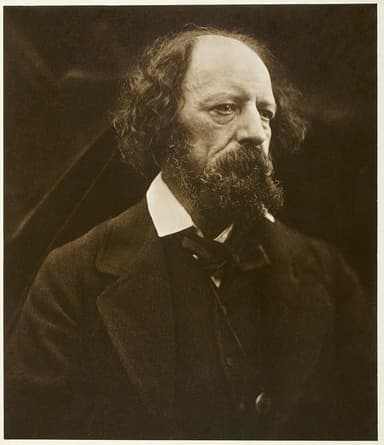
Lord Alfred Tennyson
Poems

Lifespan
1809–1892
Nationality
United Kingdom of Great Britain and Ireland
Indexed Works
6

At just six lines, it's the quickest way to experience Tennyson's mastery of sound and image—every word carries weight, and it hits like a sudden thunderclap.

Editorial intro

Nikola Gulevski, Editor, Storgy

About our editor →

Editorial intro

Tennyson turned seventeen years of private grief into a single poem, *In Memoriam A.H.H.*, and in doing so gave the Victorian age its most honest account of what it feels like to lose someone and keep living. That poem, built around the death of his closest friend Arthur Hallam, moves through denial, rage, and exhausted acceptance without pretending the process is clean or finished. Queen Victoria read it after Prince Albert died. This reflects how true it resonated.

He held the Poet Laureateship for over forty years, which can make him sound like an institution rather than a writer. However, the modern reader who approaches his work expecting stiff official verse will be caught off guard by the physical and intimate quality of his language. The Pre-Raphaelites drew their visual atmosphere directly from his early poems. "The Charge of the Light Brigade" still carries real momentum and anger. What surprises people most is the sound — Tennyson controlled rhythm and vowel as a composer controls melody, and even on the page, the poems push air around. Read him aloud once and the reputation transcends history.

Where to start

The Works

Sort byYearTitle
  1. 01Tears Idle TearsUndated
  2. 02The BrookUndated
  3. 03The Charge of the Light BrigadeUndated
  4. 04The EagleUndated
  5. 05The PrincessUndated
  6. 06UlyssesUndated

Recurring themes

Biographical record

About Lord Alfred Tennyson

Alfred Tennyson was born in 1809 in Somersby, Lincolnshire, as the fourth of twelve children in a household marked by both intellectual richness and emotional turmoil. His father, a rector, struggled with depression and alcoholism, and this atmosphere of instability influenced Tennyson's lifelong focus on grief, endurance, and the passage of time.

He attended Trinity College, Cambridge, where he joined a group of bright young men known as the Apostles. It was there he formed a close friendship with Arthur Henry Hallam. In 1829, Tennyson won the Chancellor's Gold Medal for his poem "Timbuktu," an early indication that his talent was gaining recognition. His first collection, *Poems, Chiefly Lyrical* (1830), featured "Mariana" and "Claribel," showcasing his unique gift for atmosphere and sound. Samuel Taylor Coleridge was among those who took note of his work.

Then came a tragic event that profoundly impacted much of his later writing: Hallam's sudden death in 1833 at just twenty-two.

Tennyson spent the next seventeen years crafting the elegy that would become *In Memoriam A.H.H.*, published in 1850. This expansive and introspective poem solidified his reputation. Queen Victoria remarked that it provided her comfort after Prince Albert's death. The same year, he was appointed Poet Laureate, a position he held for over forty years—longer than anyone before or after him.

His early works, characterized by medieval themes and vivid imagery, directly influenced the Pre-Raphaelite Brotherhood, who resonated with his shared fascination for beauty and myth. Later poems like "The Charge of the Light Brigade" demonstrated his ability to write with urgency and power when needed. In 1883, he was made a baron, becoming the first poet to receive a peerage based solely on literary merit.
Biographical span
1809Birth
1892Death

Poets in the same orbit

Reader questions

Frequently asked