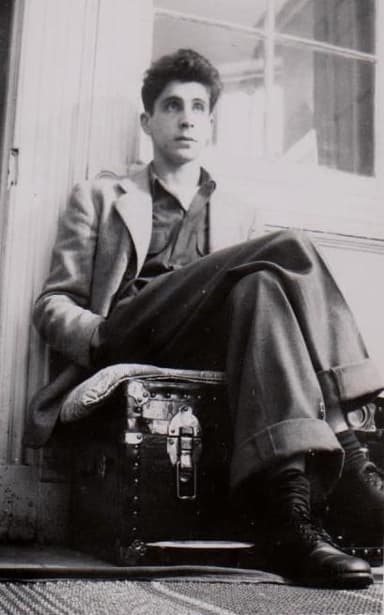
John McCrae was a Canadian who wore more hats than most people do in a lifetime: physician, soldier, artist, author, and poet. Born in Guelph, Ontario in 1872, he trained as a doctor and established a respected medical career, but he always felt the pull of both art and military service. He had already served in the Second Boer War before the world knew a much larger conflict was on the horizon.
When World War I broke out, McCrae enlisted and was sent to Belgium, where he worked as a surgeon during the brutal Second Battle of Ypres in the spring of 1915. What he witnessed there—the relentless shelling, the deaths of friends and fellow soldiers, the makeshift graves sprouting wild poppies in the churned-up ground—left an indelible mark that no amount of medical training could prepare someone for. It was in that harrowing landscape, during or just after the battle, that he penned the poem that would define his legacy.
“"In Flanders Fields" was published in Punch magazine in December 1915 and quickly gained traction.”
The poem gave voice to what millions were struggling to express: grief for the dead, a plea for their sacrifice not to be forgotten, and a call to the living to continue fighting. The poppy it described became one of the most recognized symbols of remembrance in the world, worn every November across Commonwealth nations to this day.
McCrae spent the remainder of the war continuing his medical work, eventually serving at a hospital in Boulogne, France, where he was appointed consulting physician to the British Armies. He never made it home. In January 1918, just months before the Armistice, he succumbed to pneumonia and meningitis at the age of 45. He was buried in Wimereux, France, with full military honours.