What ties all of this together is the pressure. War compresses everything — time, morality, and the gap between life and death — and poetry is one of the few forms that can endure that compression without breaking. A powerful war poem doesn’t dictate your feelings. Instead, it immerses you in the trench, or the waiting room, or the field after the conflict has ceased, allowing the weight of that environment to speak for itself.
These poems come from soldiers and civilians alike, from those who experienced the war firsthand and those who remained behind, from individuals who believed in the cause and those who grew to question it. Some are filled with rage. Some are elegiac. Others are so quiet that they sting more than the louder voices. If you seek poems that take war seriously — all aspects, not just the parts that are easy to celebrate — you’ve found the right place.
The Reader's Atlas · Chapter Power & conscience
Poems About War in the open canon
What do people turn to when seeking poems about war? They often reach for something authentic — not the glory or the heroism seen in recruitment posters, but the deeper truths: the costs of fighting, the impact on those who return home, and the scars left in the places where battles unfolded. War poetry has been…
- Indexed poems
- 215
- Indexed poets
- 48
- Short poems
- 27
§01 Opening
On war
A reader's preface to the theme — what to listen for as you move through the poems below.
Where to begin with war
Three ways in01 · Most-read entry
A Game of Chess
by T. S. Eliot, 1922
Read the line-by-line analysis, themes, and historical context for this entry in Storgy's index.
02 · Editor's pick
Anthem for Doomed Youth
by Wilfred Owen, 1920
Read the line-by-line analysis, themes, and historical context for this entry in Storgy's index.
03 · Counterpoint
Bayonet Charge
by Ted Hughes, 1957
Read the line-by-line analysis, themes, and historical context for this entry in Storgy's index.
§03 The index
Every poem in this theme
- 01
A Game of Chess
T. S. Eliot1922Excerpt - 02
Anthem for Doomed Youth
Wilfred Owen1920PD - 03
Bayonet Charge
Ted Hughes1957Excerpt - 04
Cap'n Storm-Along
Alfred Noyes1922Excerpt - 05
Disabled
Wilfred Owen1917PD - 06
Drummer Hodge
Thomas Hardy1899PD - 07
Fishers of Men
Alfred Noyes1907Excerpt - 08
Futility
Wilfred Owen1918PD - 09
Grass
Carl Sandburg1918Excerpt - 10
Hugh Selwyn Mauberley
Ezra Pound1920Excerpt - 11
I Am the Grass
Carl Sandburg1918Excerpt - 12
Kamikaze
Beatrice Garland2013Excerpt - 13
Kilmeny
Alfred Noyes1907Excerpt - 14
Namesakes
Alfred Noyes1922Excerpt - 15
O Captain! My Captain!
Walt Whitman1865PD - 16
On the Western Front
Alfred Noyes1918Excerpt - 17
Peace in a Palace
Alfred Noyes1922Excerpt - 18
Poppies
Jane Weir2009Excerpt - 19
Princeton
Alfred Noyes1922Excerpt - 20
Remains
Simon Armitage2008Excerpt
The remaining 195 poems about war are indexed but not yet featured here. Use the search index in the footer to surface them.
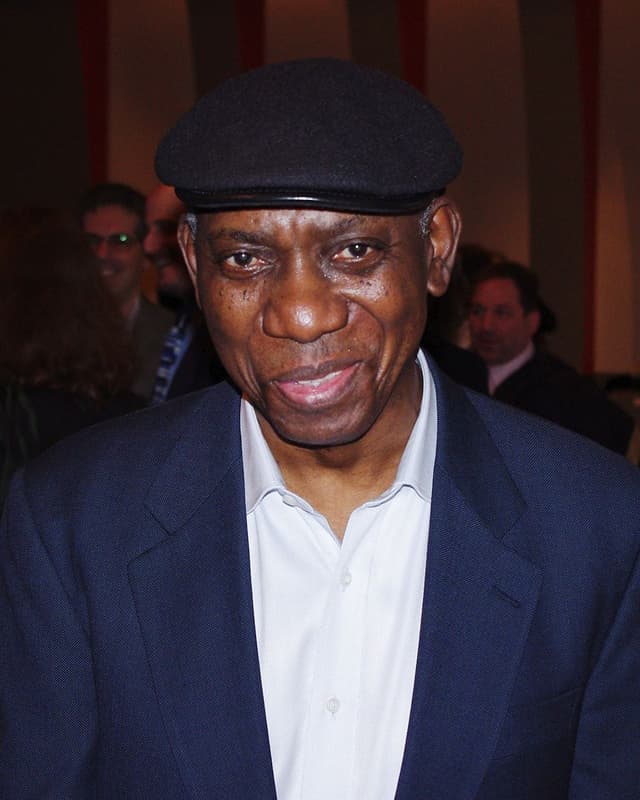
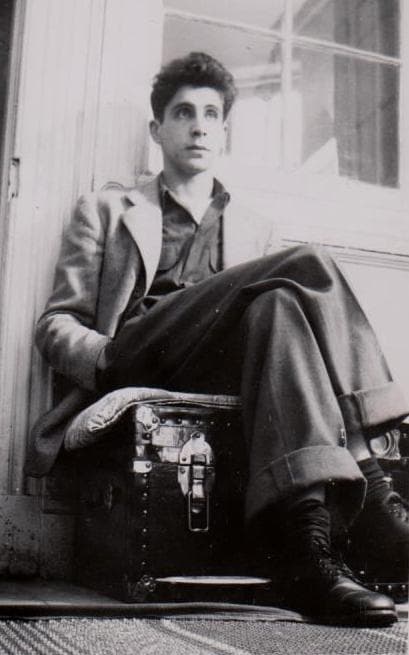
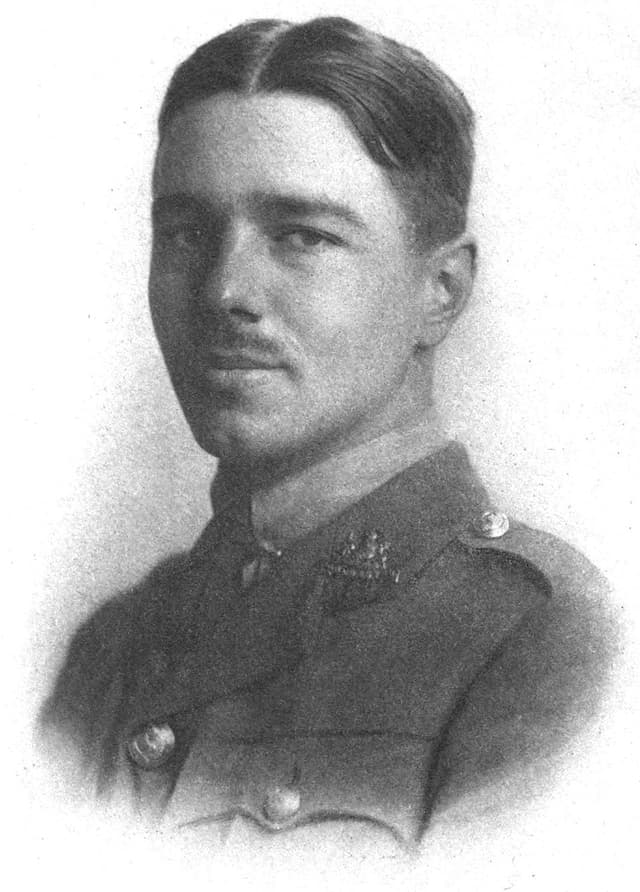
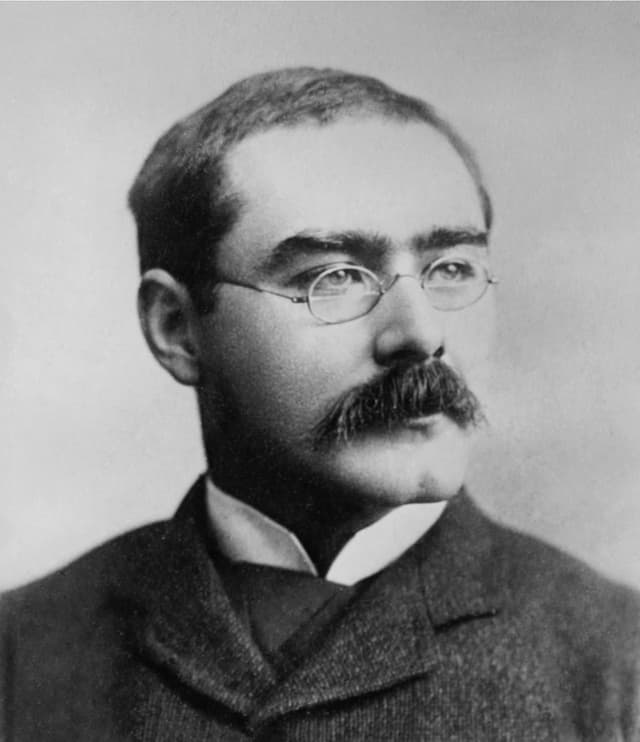
Notable poets on war
Cartography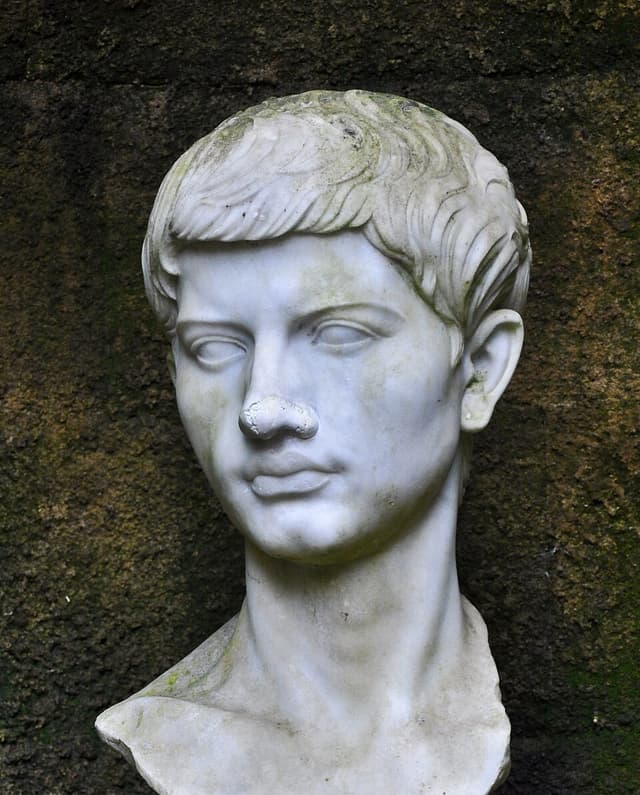
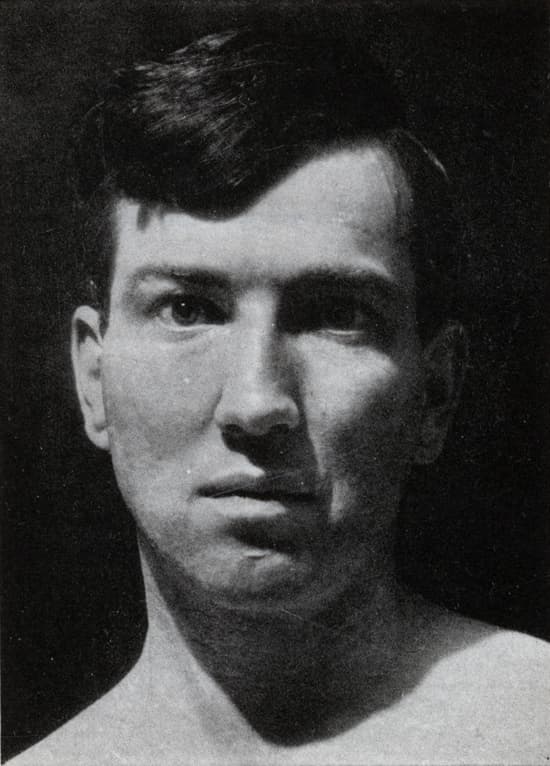
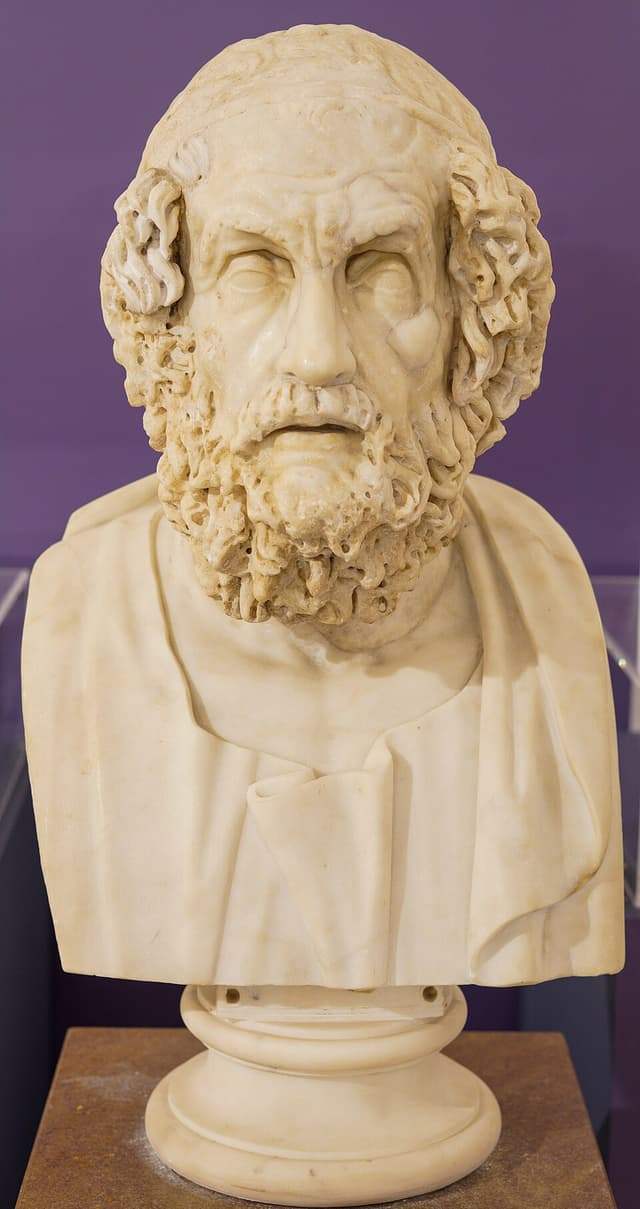
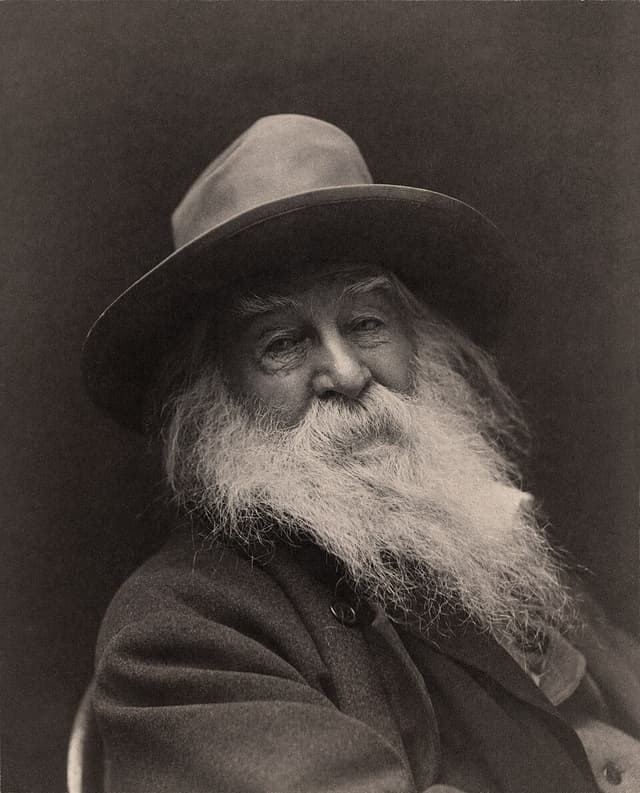
Reading on the move
Short poems about war
Twelve lines or fewer — a curated facet for the commute, the inbox, the lock screen. Hand-filtered for length, sequenced by canonical weight.
27
Under 12 lines
§04 Reader's questions
Questions about war poems
Q.01What are the most famous war poems?
Answer
A few poems consistently arise in serious discussions: Wilfred Owen's "Dulce et Decorum Est," Siegfried Sassoon's "Base Details," Rupert Brooke's "The Soldier," Randall Jarrell's "The Death of the Ball Turret Gunner," and Yusef Komunyakaa's "Facing It." These works cover various wars and reflect contrasting perspectives on them, which contributes to their enduring relevance.
Q.02Who are the most important war poets?
Answer
The WWI British poets — Owen, Sassoon, Edward Thomas, and Isaac Rosenberg — are the most frequently studied in the English-speaking world. However, the tradition extends far beyond that: Walt Whitman wrote about the American Civil War, Brian Turner focused on Iraq, Carolyn Forché explored El Salvador, and Komunyakaa reflected on Vietnam. War poetry belongs to no single country.
Q.03Do war poems always oppose war?
Answer
No. Rupert Brooke's early WWI poems genuinely express an idealistic view of sacrifice. Many of these poems honor soldiers without criticizing the war itself. While anti-war poetry is an important part of this tradition, elegy, commemoration, and even celebration of bravery also play significant roles. The strongest poems often avoid straightforward interpretations.
Q.04What is the difference between a war poem and a protest poem?
Answer
A protest poem delivers a specific message for you to take away. A war poem can do that too, but it often simply presents a scene and allows you to engage with it on your own terms. Owen's "Dulce et Decorum Est" embodies both approaches simultaneously. Many poems from the Vietnam era tend to focus more on witnessing than arguing.
Q.05Can civilians write war poetry?
Answer
Absolutely. Some of the most impactful war poems come from individuals who have lived through bombing, displacement, occupation, or the loss of someone who served. Denise Levertov, Carolyn Forché, and Anna Akhmatova each captured the essence of war from the perspectives of civilians or witnesses. War doesn't only unfold on the front line.
Q.06Why is poetry a common response to war?
Answer
War creates experiences that defy ordinary language — events that are too vast, too swift, and too absurd for prose to capture neatly. Poetry’s ability to condense meaning, combined with its imagery and rhythm, allows it to convey emotional depth that a news report or even a novel might struggle to achieve. Plus, it’s easy to carry: soldiers have long kept poems tucked in their pockets.
Q.07What is "Dulce et Decorum Est" about?
Answer
It recounts Wilfred Owen's experience of a gas attack during WWI. The title references a Latin phrase that translates to "it is sweet and fitting to die for one's country," but the poem methodically tears that notion apart in every line. It concludes by labeling that phrase "the old Lie," marking one of the most straightforward statements Owen makes.
Q.08Are there war poems that focus on soldiers returning home?
Answer
Yes, and they create their own unique tradition. Brian Turner's collection Here, Bullet focuses significantly on the Iraq War and its aftermath. Komunyakaa's "Facing It" portrays a Vietnam veteran reflecting at the Vietnam Veterans Memorial. The homecoming poem tends to be more subdued and surreal compared to the combat poem — the war has ended, but the soldier's journey continues.