Freedom is one of those concepts that seems straightforward until you try to experience it. Poets have always understood this. They express it through a wide range of images — a bird soaring, an open door, a body moving without shame — because the nature of freedom shifts based on who is seeking it and what obstacles they face.
Some poems about freedom are bold and political, aiming to rattle a government or energize a crowd. Others are more subdued, capturing the intimate moment when someone stops diminishing themselves. Both types perform the same crucial task: defining what it means to truly belong to oneself.
What makes this theme so compelling in poetry is the tension it embodies. Freedom is seldom just a celebration. It often comes with sorrow for lost years, anxiety about what lies ahead, or the peculiar solitude that comes with no longer being defined by constraints. The most powerful poems refuse to simplify freedom into a catchy phrase. They delve into its complexities, making it tangible and authentic.
Whether you're seeking poetry about political liberation, personal independence, breaking free from a relationship, or simply the sensation of open space, you’ve come to the right place.
The Reader's Atlas · Chapter Power & conscience
Poems About Freedom in the open canon
What does it mean to feel free — and why is it so difficult to maintain? This question lies at the heart of nearly every poem about freedom, whether the poet writes from a prison cell, a plantation, an open road, or a quiet room where they've finally stopped apologizing for their identity.
- Indexed poems
- 516
- Indexed poets
- 111
- Short poems
- 57
§01 Opening
On freedom
A reader's preface to the theme — what to listen for as you move through the poems below.
Where to begin with freedom
Three ways in01 · Most-read entry
1492
by Emma Lazarus, 1883
Read the line-by-line analysis, themes, and historical context for this entry in Storgy's index.
02 · Editor's pick
A Bird, came down the Walk
by Emily Dickinson, 1891
Read the line-by-line analysis, themes, and historical context for this entry in Storgy's index.
03 · Counterpoint
A Century Later
by Imtiaz Dharker, 2014
Read the line-by-line analysis, themes, and historical context for this entry in Storgy's index.
§03 The index
Every poem in this theme
- 01
1492
Emma Lazarus1883PD - 02
A Bird, came down the Walk
Emily Dickinson1891PD - 03
A Century Later
Imtiaz Dharker2014Excerpt - 04
Ah! Sun-flower
William Blake1794PD - 05
Anecdote of the Jar
Wallace Stevens1919PD - 06
An Irish Airman Foresees his Death
W. B. Yeats1919PD - 07
Beethoven in Central Park
Alfred Noyes1922Excerpt - 08
Cap'n Storm-Along
Alfred Noyes1922Excerpt - 09
Checking Out Me History
John Agard2007Excerpt - 10
Concord Hymn
Ralph Waldo Emerson1837PD - 11
Disillusionment of Ten O'Clock
Wallace Stevens1915PD - 12
Easter, 1916
W. B. Yeats1916PD - 13
England in 1819
Percy Bysshe Shelley1819PD - 14
Envoi
Alfred Noyes1922Excerpt - 15
First Fig
Edna St. Vincent Millay1920PD - 16
Garden
H. D.1916Excerpt - 17
Huntress
H. D.1916Excerpt - 18
If We Must Die
Claude McKay1919PD - 19
I Hear America Singing
Walt Whitman1860PD - 20
I’m Nobody! Who are you?
Emily Dickinson1891PD
The remaining 496 poems about freedom are indexed but not yet featured here. Use the search index in the footer to surface them.
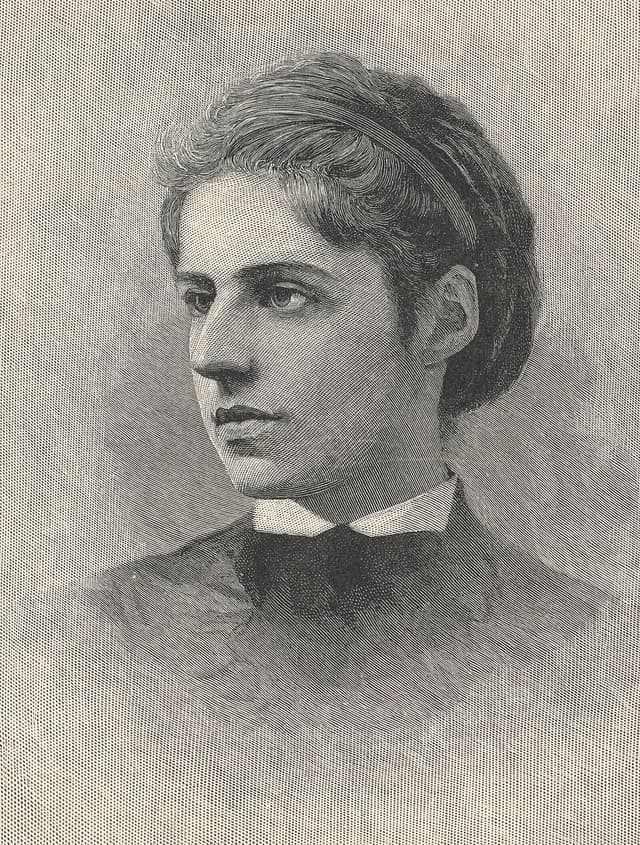
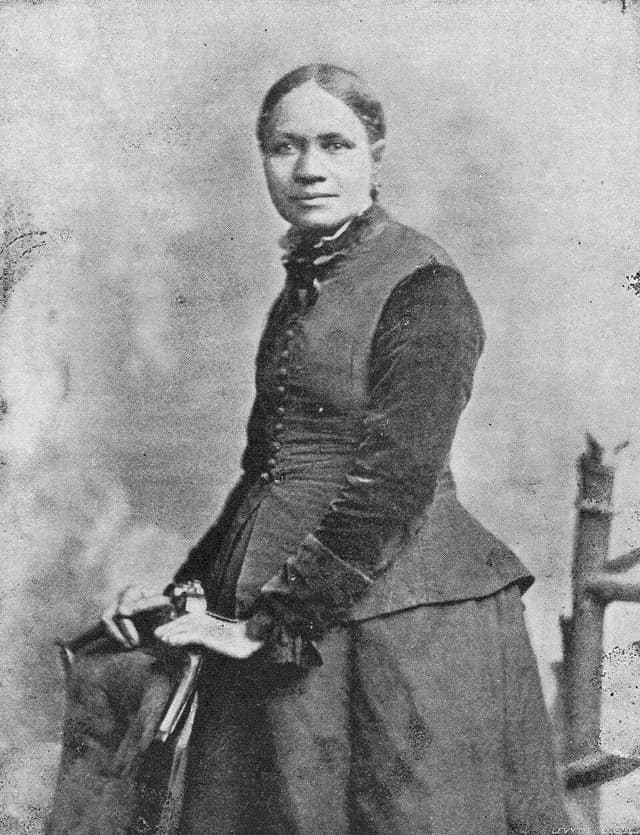
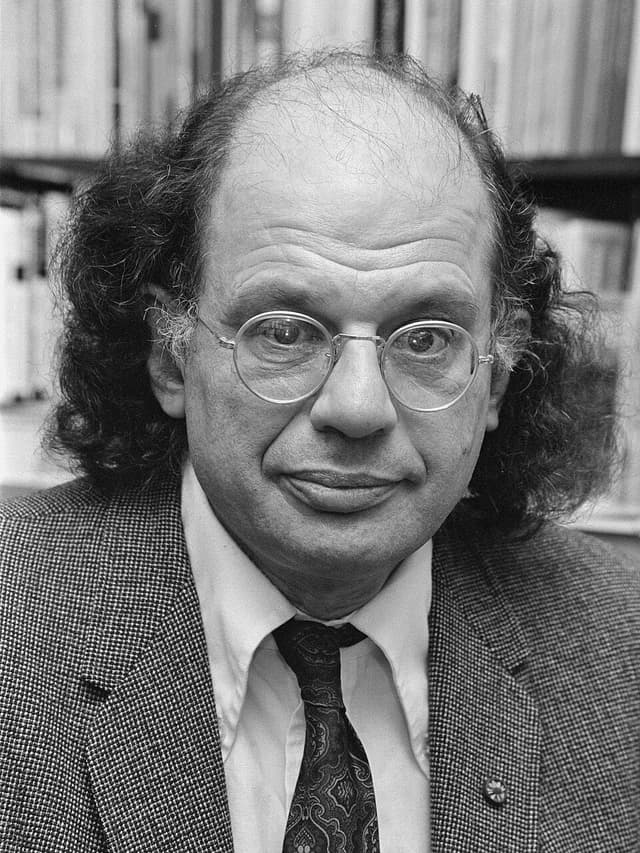
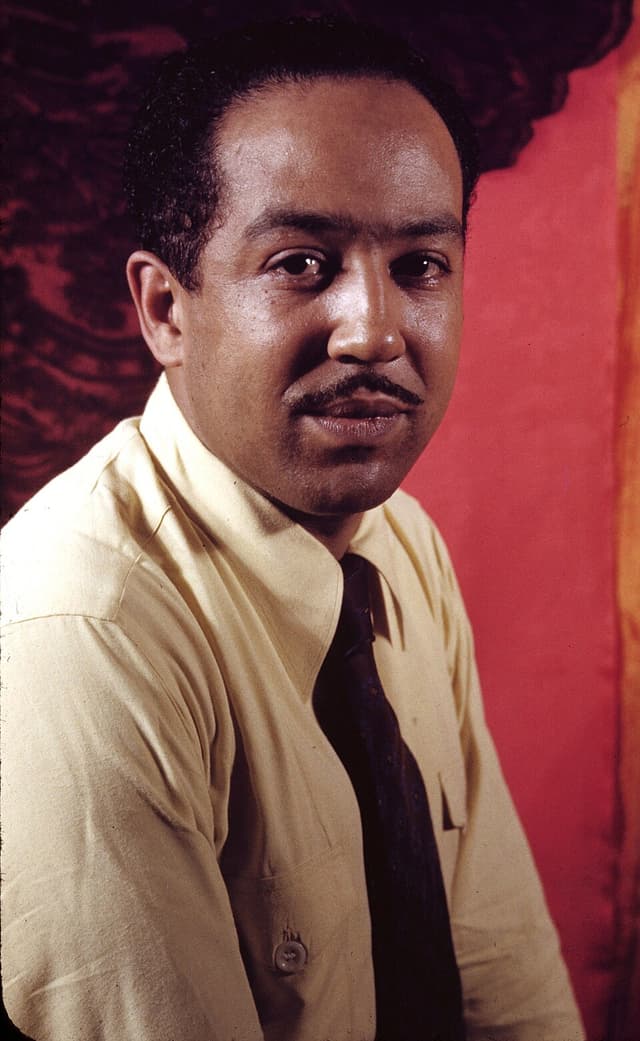
Notable poets on freedom
Cartography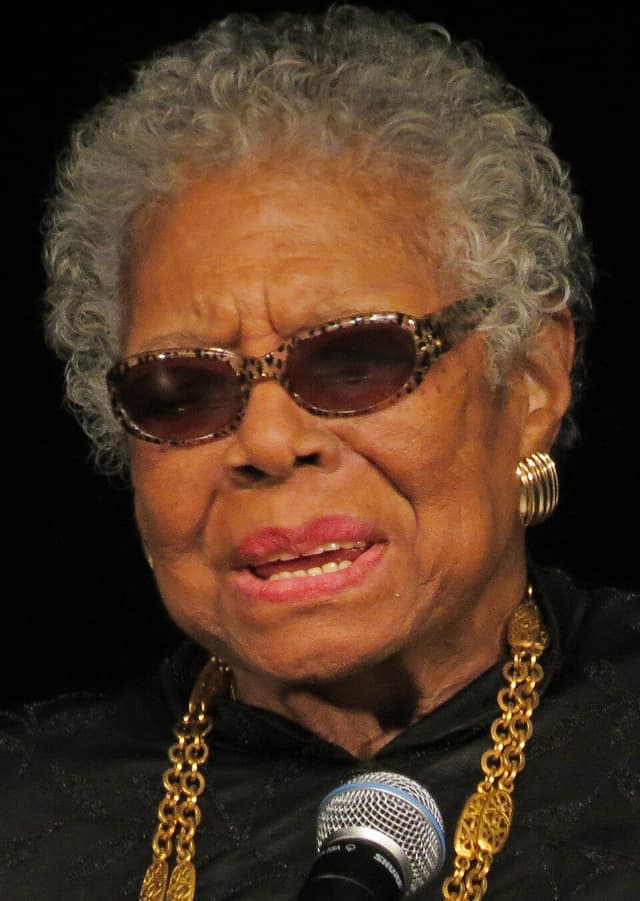
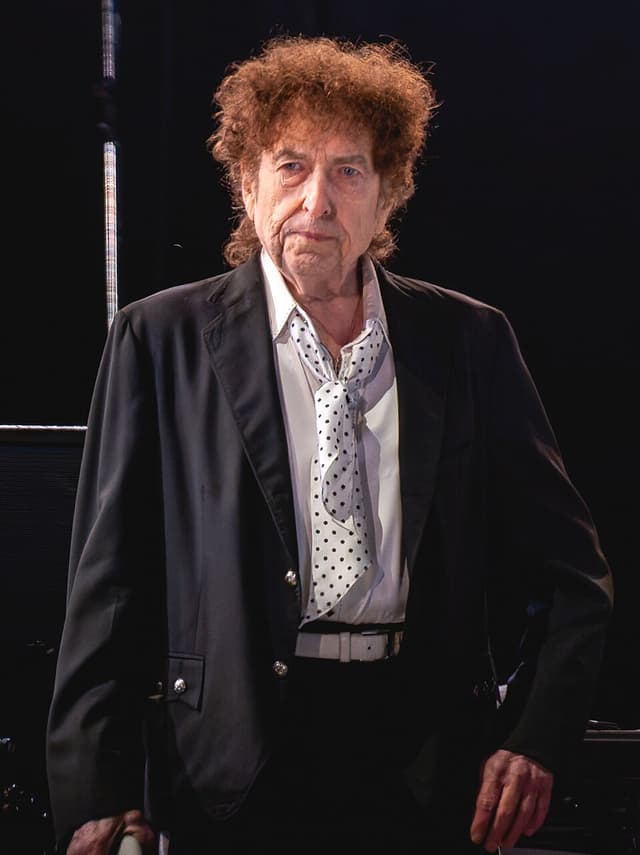
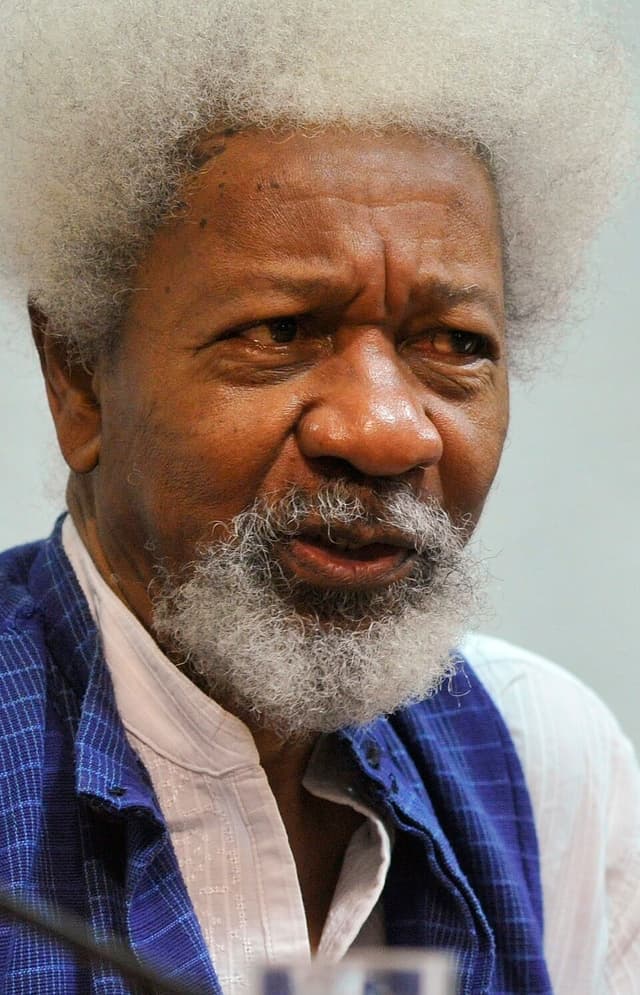
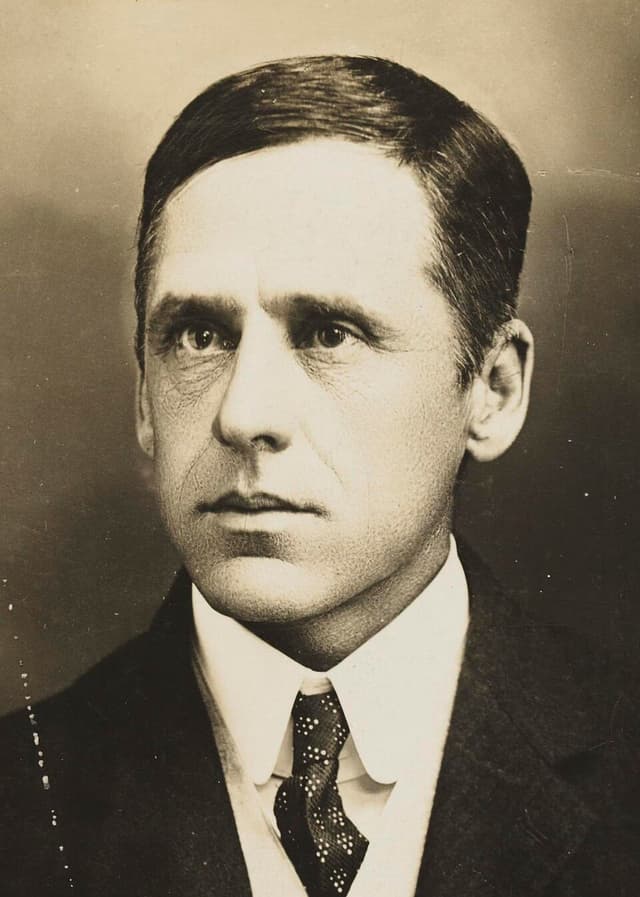
Reading on the move
Short poems about freedom
Twelve lines or fewer — a curated facet for the commute, the inbox, the lock screen. Hand-filtered for length, sequenced by canonical weight.
57
Under 12 lines
§04 Reader's questions
Questions about freedom poems
Q.01What are some of the most famous poems about freedom?
Answer
A few poems that often get mentioned are Paul Laurence Dunbar's "Sympathy" (which inspired Maya Angelou's I Know Why the Caged Bird Sings), Walt Whitman's "Song of the Open Road," Langston Hughes's "I, Too," and Claude McKay's "If We Must Die." Each of these works explores freedom from a unique perspective — Dunbar focuses on captivity, Whitman on vast possibilities, Hughes on dignity amidst oppression, and McKay on defiance.
Q.02Why do so many freedom poems use the image of a bird?
Answer
Birds navigate the air—a realm that humans can’t naturally occupy—symbolizing desires that often feel unattainable. A caged bird makes this contrast palpable: it’s a creature designed for the vast sky, yet confined. Poets like Dunbar, Maya Angelou, and Emily Dickinson have embraced this imagery because it powerfully conveys deep emotions without requiring further explanation.
Q.03Is there a difference between poems about freedom and poems about liberation?
Answer
Loosely, yes. Freedom in poetry often refers to the state — the feeling, the condition, the idea. Liberation is more about the journey to that state, usually involving a political or communal aspect. A poem about liberation typically presents a contrast between a prior condition and one that follows. On the other hand, a poem about freedom might simply immerse itself in that feeling or express sorrow over its absence.
Q.04Do poems about freedom have to be political?
Answer
Not at all. Some of the most impactful stories are deeply personal — like leaving a toxic relationship, overcoming addiction, or learning to stop worrying about others' opinions. The political and personal aspects often intertwine within this theme, but neither holds more validity than the other.
Q.05How have poets written about freedom differently across history?
Answer
The concerns evolve over time. Romantic-era poets such as Shelley and Byron viewed freedom as a rebellion against tyranny and societal norms. Poets from enslaved backgrounds expressed it as a matter of survival and asserting their humanity. In the twentieth century, poets connected freedom to civil rights, anti-colonialism, and gender issues. Today, contemporary poets frequently examine freedom through the lens of the body — questioning who has the right to occupy space, move freely, and exist without needing permission.
Q.06Can a poem about imprisonment also be a poem about freedom?
Answer
Absolutely — some of the most powerful freedom poems were penned while the authors were incarcerated. Many of these poems argue that the mind, imagination, or spirit can stay free even when the body is locked up. How you react to this idea, whether it feels comforting or like a painful irony, really depends on the poem itself and the reader's perspective.
Q.07What poetic forms work well for the theme of freedom?
Answer
Free verse is a natural choice—no rhyme scheme, no set meter, allowing the poem to flow freely. Yet, there's a unique strength in a poet exploring freedom within a rigid structure like a sonnet, almost declaring: I can be limited and still find my voice. Both styles resonate deeply with this theme.
Q.08Are there poems about freedom that deal with its darker side?
Answer
Yes, and they’re often the most compelling. Freedom can feel like being adrift, left behind, or drowning in options. Some poems delve into the fear that accompanies a lack of structure, or the sorrow that follows liberation — when you confront the reality that you don’t know who you are without what once defined you, even if that thing was a cage.