Poetry has long been a space where the concept of justice is explored with raw honesty. It doesn’t deliver judgments but instead sits with the complexities of a situation — who was harmed, who had power, what the law stated versus what was morally right — and compels you to confront the distance between these realities. That distance is where the most compelling justice poems thrive.
This tradition is rich and expansive. You find it in ancient Greek choruses wrestling with divine versus human law. You find it in the slave narratives and abolitionist poetry of the 19th century. You find it in Langston Hughes questioning the fate of a dream deferred, in Carolyn Forché witnessing acts of atrocity, and in Seamus Heaney balancing tribal loyalty with moral duty. You find it in the spoken-word artists performing at open mics tonight.
What connects all of this is a steadfast refusal to look away. Justice poems challenge the reader to remain uncomfortable. They name the accused, tally the costs, and ask — sometimes softly, sometimes with intensity — whether we can strive for something better. If you're searching for poems that genuinely confront how power operates and what fairness demands, you’ve come to the right place.
The Reader's Atlas · Chapter Power & conscience
Poems About Justice in the open canon
What does it mean to be treated fairly, and what happens when fairness is missing? This question lies at the heart of nearly every search for poems about justice. People come to poetry on this subject from various experiences: a courtroom, a protest, a history class, a personal moment of wrongdoing, or just a nagging…
- Indexed poems
- 200
- Indexed poets
- 56
- Short poems
- 32
§01 Opening
On justice
A reader's preface to the theme — what to listen for as you move through the poems below.
Where to begin with justice
Three ways in01 · Most-read entry
Compensations
by Alfred Noyes, 1922
Read the line-by-line analysis, themes, and historical context for this entry in Storgy's index.
02 · Editor's pick
England in 1819
by Percy Bysshe Shelley, 1819
Read the line-by-line analysis, themes, and historical context for this entry in Storgy's index.
03 · Counterpoint
Five Criticisms
by Alfred Noyes, 1922
Read the line-by-line analysis, themes, and historical context for this entry in Storgy's index.
§03 The index
Every poem in this theme
- 01
Compensations
Alfred Noyes1922Excerpt - 02
England in 1819
Percy Bysshe Shelley1819PD - 03
Five Criticisms
Alfred Noyes1922Excerpt - 04
Peace in a Palace
Alfred Noyes1922Excerpt - 05
The Lost Battle
Alfred Noyes1922Excerpt - 06
The Night of the Lion
Alfred Noyes1922Excerpt - 07
What Grandfather Said
Alfred Noyes1922Excerpt - 08
A Ballad
Percy Bysshe Shelley—PD - 09
Acadia and the Acadians
Henry Wadsworth Longfellow—PD - 10
A Chamber in the Vatican
Percy Bysshe Shelley—PD - 11
A Contrast
James Russell Lowell—PD - 12
Addressed to Haydon
John Keats—PD - 13
A Dialogue
Percy Bysshe Shelley—PD - 14
Against Avarice and Luxury
Horace—PD - 15
Against the Luxury of the Romans
Horace—PD - 16
A Hall of the Prison
Percy Bysshe Shelley—PD - 17
A Misconception
James Russell Lowell—PD - 18
An Apartment in the Castle
Percy Bysshe Shelley—PD - 19
An Apartment in the Cenci Palace
Percy Bysshe Shelley—PD - 20
And Charlotte Corday
Percy Bysshe Shelley—PD
The remaining 180 poems about justice are indexed but not yet featured here. Use the search index in the footer to surface them.
Notable poets on justice
Cartography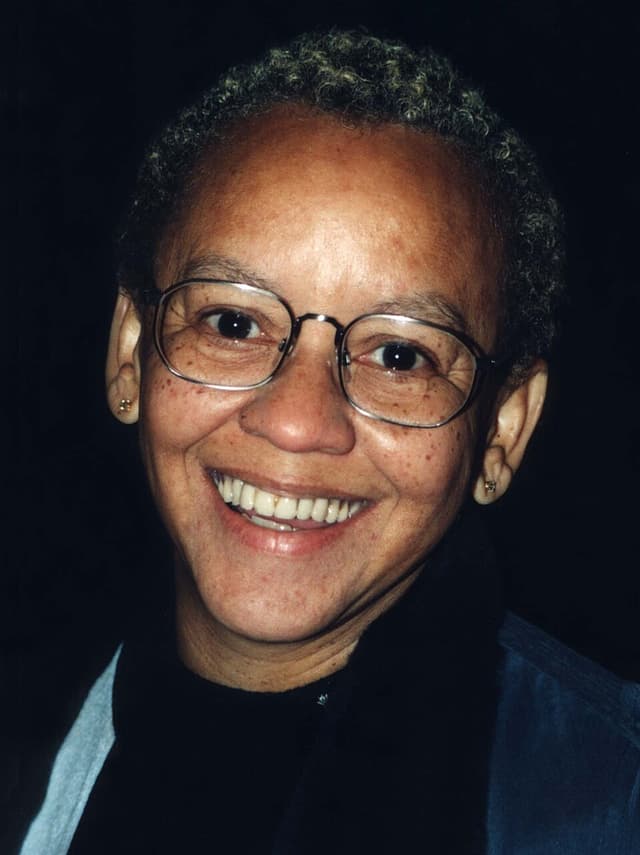
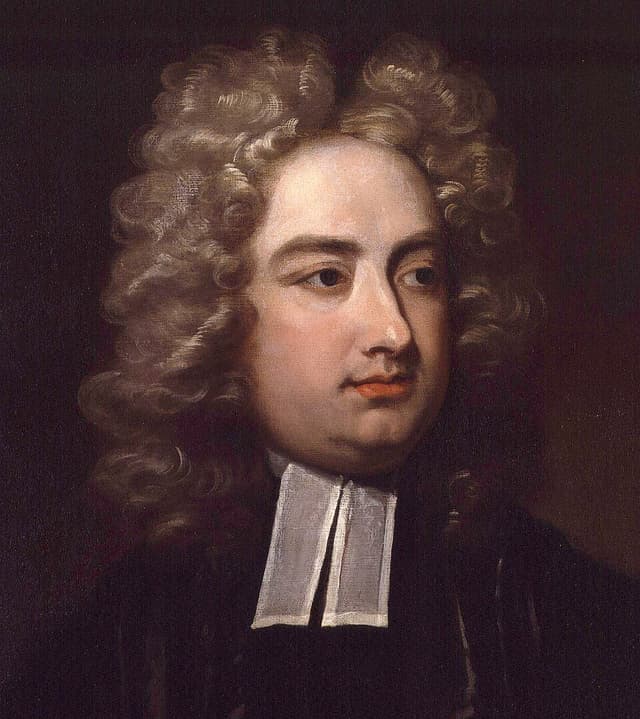
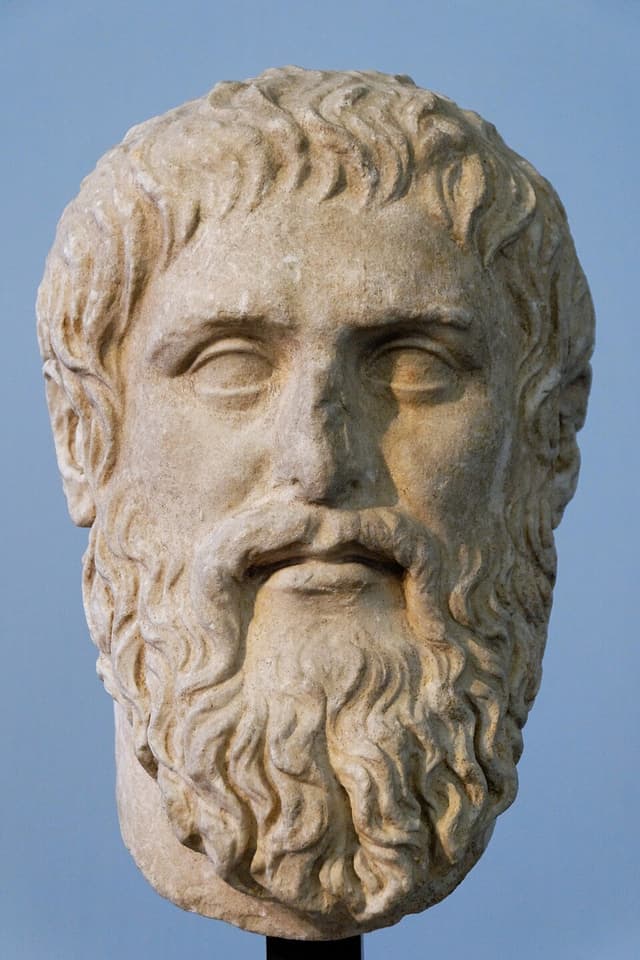
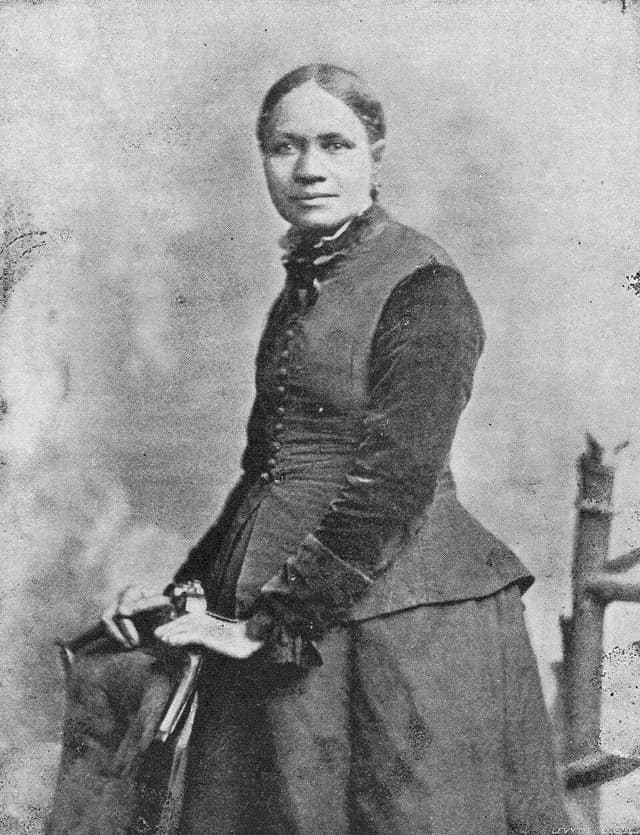
Reading on the move
Short poems about justice
Twelve lines or fewer — a curated facet for the commute, the inbox, the lock screen. Hand-filtered for length, sequenced by canonical weight.
32
Under 12 lines
§04 Reader's questions
Questions about justice poems
Q.01What makes a poem a 'justice poem' rather than just a political poem?
Answer
Political poems express clear stances on policy issues. Justice poems dig deeper — they examine the foundational principles behind those policies: fairness, accountability, and who is protected versus who is left vulnerable. A poem can be intensely political while still prioritizing justice, but it centers on the moral implications rather than the party agenda.
Q.02Are poems about justice always angry?
Answer
Not at all. Some of the most powerful voices are quiet — a witness account, a lament, a thoughtful description of what was lost. Anger is one way to express it, but grief, irony, and even a weary kind of love appear just as frequently.
Q.03What's the difference between justice and revenge in poetry?
Answer
Poems about revenge often focus on the wronged individual and their wish to settle the score. In contrast, justice poems take a broader view, exploring what a community or system owes its members rather than just what one person seeks. The two themes intersect, and many poems intentionally mix the two, prompting you to consider where one ends and the other begins.
Q.04Which poets are most associated with justice as a theme?
Answer
Langston Hughes, Carolyn Forché, Claudia Rankine, Muriel Rukeyser, Seamus Heaney, Adrienne Rich, and Martín Espada are names that frequently surface in discussions. Beyond the English tradition, Pablo Neruda and Mahmoud Darwish addressed themes of justice in ways that have impacted poets around the globe.
Q.05Can sonnets or formal poems deal with justice, or is it mainly free verse?
Answer
Formal poems can be particularly impactful when exploring this theme. Employing a strict, structured form to address broken rules or unfair laws generates a tension that carries significant weight. Claude McKay's sonnet 'If We Must Die' serves as a prime example—the rigidity of the form enhances the defiance present in the message.
Q.06How do poets write about justice without being preachy?
Answer
The best ones demonstrate rather than explain. They immerse you in a particular scene—a specific courtroom, a named street, a person's face—rather than lecturing on abstract ideas. Specificity is the key. When a poem conveys its moral weight through tangible details, it avoids feeling like a sermon.
Q.07What is 'witness poetry' and how does it relate to justice?
Answer
Witness poetry captures atrocity or injustice firsthand, with the poet acting as an eyewitness or diligent recorder of testimony. Carolyn Forché introduced the term 'poetry of witness,' and her anthology of the same name serves as an excellent introduction to the genre. The core idea is that providing an accurate account is, in itself, a moral and political act.
Q.08Are there justice poems that focus on the perpetrator rather than the victim?
Answer
Yes, and they're among the most unsettling. Poems that emerge from a guilty conscience or that give a voice to those who have caused harm challenge readers to consider accountability in more nuanced ways. W.H. Auden and Robert Browning both approached morally complex viewpoints to delve into how individuals rationalize their own misdeeds.