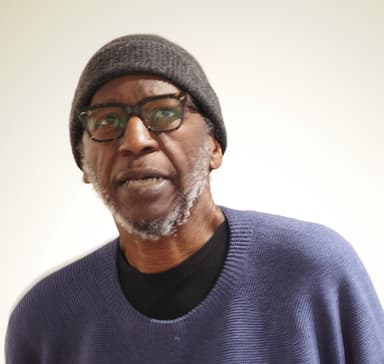
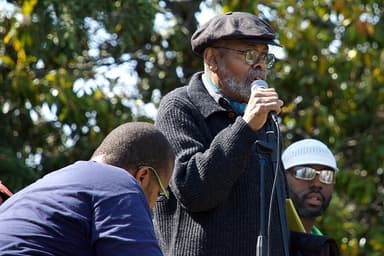
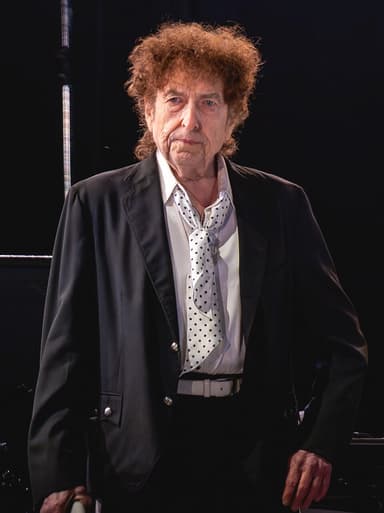
Wole Soyinka — whose full name is Akinwande Oluwole Babatunde Soyinka — was born in 1934 in Abeokuta, in what was then colonial Nigeria. He grew up in a Yoruba household that existed at a crossroads: his father was a school headmaster with Anglican beliefs, his mother was a market trader and Christian activist, and his wider family was deeply rooted in traditional Yoruba religion. This tension between different worlds — colonial and indigenous, Christian and Yoruba, modern and ancestral — has always influenced his writing.
He began his studies at University College Ibadan before moving to the University of Leeds in England to study English literature. Leeds honed his craft, but it was his experience working at the Royal Court Theatre in London in the late 1950s that truly introduced him to the dynamic nature of drama. He returned to Nigeria just before its independence in 1960 and dedicated himself to building a national theatre culture from scratch, founding theatre companies and writing plays that drew inspiration from Yoruba mythology as much as from Brecht or Greek tragedy.
“His political life paralleled his literary pursuits, and the two frequently intersected.”
He was detained without trial for nearly two years during the Nigerian Civil War (1967–69), accused of negotiating with Biafran leaders, and spent much of that time in solitary confinement. This experience led to *The Man Died*, a prison memoir that stands as one of the most powerful accounts of political imprisonment in the twentieth century. He faced exile multiple times, including during the 1990s when the military government of Sani Abacha charged him with treason in absentia.
In 1986, he became the first African writer to win the Nobel Prize in Literature. The Swedish Academy recognized his "wide cultural perspective and poetic overtones" in dramatizing human existence — highlighting how his work intertwines the aesthetic with the political, and the personal with the mythological.