Skip to content

The Poet Index · Entry 606

James Russell Lowell
Poems

Lifespan
1819–1891
Nationality
United States
Indexed Works
470

It's Lowell at his most vibrant — a clever, verse-form exploration of American literature that also serves as a self-portrait of a writer who was passionate about the literary community he belonged to.

Editorial intro

Nikola Gulevski, Editor, Storgy

About our editor →

Editorial intro

James Russell Lowell achieved something unique among American poets of his era: he composed a book-length satirical poem that targeted his literary contemporaries by name while remaining genuinely humorous. *A Fable for Critics* (1848) cleverly ridiculed Emerson, Poe, and several others with such sharp wit that those targeted often found themselves laughing along. No one else in the Fireside Poets circle — Longfellow, Whittier, Holmes, Bryant — dared to be as incisive or self-reflective, and Lowell even included himself in the critique.

He occupies a distinctive position in the American literary landscape as the restless maverick of a group otherwise comfortable with domestic refinement and formal respectability. His influence permeates the work of anyone who later employed verse as a medium for cultural criticism, and he played a significant role in shaping the *Atlantic Monthly* into the influential publication it became. First-time readers often notice two surprising aspects: the modernity of the satirical voice in *A Fable* and the broader range of Lowell’s work, which encompasses abolitionist fervor, heartfelt elegy, and incisive political prose. He is engaging not as a mere monument but as a writer who continually sought more from American literature than his era was prepared to offer.

Where to start

The Works

Sort byYearTitle
  1. 01, General,Undated
  2. 02) The most recent critical estimate.Undated
  3. 03A BALLADUndated
  4. 04A BRETON LEGENDUndated
  5. 05A CHIPPEWA LEGENDUndated
  6. 06A CONTRASTUndated
  7. 07A FABLEUndated
  8. 08A FABLE FOR CRITICSUndated
  9. 09A Fable for Critics. With Outline Portraits. 30 cents, _net_.Undated
  10. 10A FAMILIAR EPISTLE TO A FRIENDUndated
  11. 11A FOREBODINGUndated
  12. 12A FRAGMENTUndated
  13. 13A GLANCE AT A FEW OF OUR LITERARY PROGENIESUndated
  14. 14A GLANCE BEHIND THE CURTAINUndated

Recurring themes

Biographical record

About James Russell Lowell

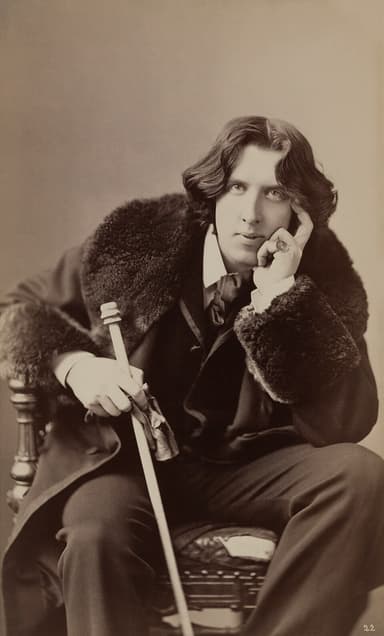
James Russell Lowell was born in Cambridge, Massachusetts, in 1819, and he spent the majority of his life in Elmwood, the colonial mansion where he was born—a place that became significant in American literary history. He attended Harvard, where he was briefly suspended for neglecting his studies, but he graduated in 1838 and went on to earn a law degree that he never really put to use.

What Lowell truly desired was to write, and he approached it with genuine ambition. His early poetry reflected the Romantic trends of the 1840s, but he was never satisfied with simply crafting beautiful verse. A staunch abolitionist, his political passion was evident in his work from the very beginning. His satirical poem *A Fable for Critics* (1848) stands out as one of the sharpest literary critiques ever penned in verse, offering a witty, sometimes harsh look at the American literary scene of his time, targeting figures like Poe, Emerson, and even himself.

He was part of a group known as the Fireside Poets, which included Longfellow, Whittier, Holmes, and Bryant.

The name reflects their popularity; their works were often read aloud in family settings, characterized by accessibility, formal polish, and a widespread affection that few American poets had achieved before them. As the youngest member, Lowell was, in many ways, the most intellectually restless.

Following the death of his first wife, Maria White, in 1853, Lowell's literary output diminished, and his tone grew darker. He redirected his focus toward editing, taking charge of the newly established *Atlantic Monthly* in 1857 and transforming it into one of the most influential literary magazines in American history. He also later co-edited the *North American Review*.
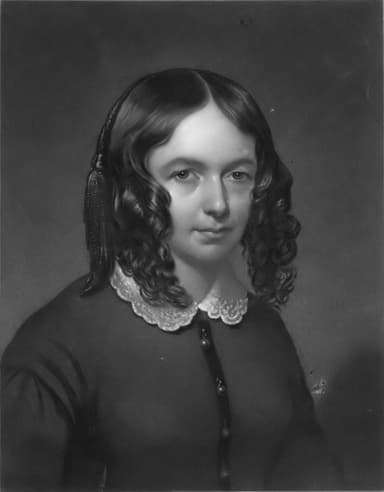
Biographical span
1819Birth
1891Death

Poets in the same orbit

Reader questions

Frequently asked