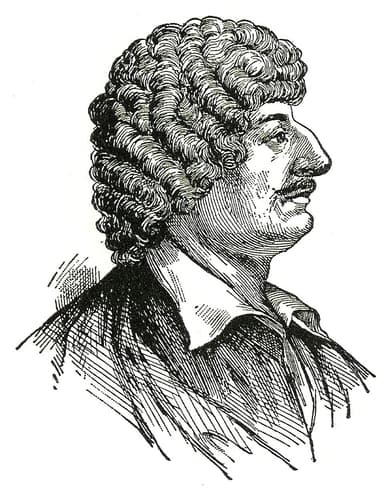
Sir Walter Raleigh lived one of the most eventful lives of the sixteenth century, with poetry being just one aspect. Born around 1552 in Devon, England, he grew up in a Protestant household during a time when religious beliefs could lead to death, and he seems to have learned early on about the fragility of fortune. He studied at Oriel College, Oxford, volunteered in the French religious wars as a teenager, and later participated in the brutal campaigns to suppress rebellion in Ireland—experiences that deeply influenced his writing about power, time, and death.
His rise at the court of Elizabeth I was remarkable and, looking back, almost too good to last. By the 1580s, he was among the queen's favorites, receiving numerous land grants, monopolies, and titles. He organized and financed expeditions to the North American coast, helping to lay the groundwork for what would eventually become English colonization of the continent—the ill-fated Roanoke Colony being the most notable of these efforts. He also led an expedition to South America in search of the fabled city of El Dorado, a journey he described in a vivid prose account that feels more like adventure fiction than a formal report.
“When his fall came, it was swift. In 1592, Elizabeth discovered he had secretly married one of her ladies-in-waiting, Bess Throckmorton, and imprisoned them both in the Tower of London.”
He regained some favor but never quite returned to his former standing. After Elizabeth's death and with James I on the throne, Raleigh's enemies turned against him. He was convicted of treason on flimsy evidence in 1603 and spent thirteen years in the Tower, where he wrote his ambitious and unfinished *History of the World*—a project that aimed to trace the hand of providence throughout all of human history.
Released in 1616 to lead one final expedition to South America, he returned empty-handed and was executed in 1618 under the original treason charge. He reportedly faced his execution with calmness, even joking about the sharpness of the axe.