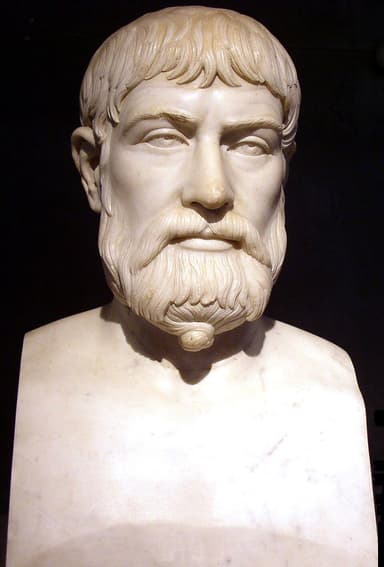
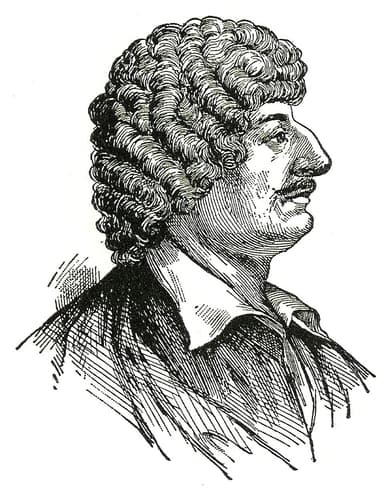
George Peele was born in London in 1556 to James Peele, a city clerk who authored accounting manuals. He received his education at Christ's Hospital and later attended Broadgates Hall and Christ Church, Oxford, where he gained a reputation as both a scholar and a clever wit. By the time he graduated from Oxford in the early 1580s, he was already translating classical texts and writing poetry, eventually moving to London to pursue a career in the theatre.
In London, Peele became part of the University Wits — a group of educated writers that included Christopher Marlowe, Robert Greene, and Thomas Nashe — who were transforming English drama before Shakespeare took center stage. He wrote plays, pageants, and occasional poetry, showcasing the restless energy characteristic of the Elizabethan literary scene.
“His dramatic works are notably diverse. *The Arraignment of Paris* is a pastoral allegory crafted for court performance, skillfully flattering Queen Elizabeth.”
*The Battle of Alcazar* is a grand history play inspired by recent events in North Africa. *The Old Wives' Tale* stands out as a more unconventional piece — a folk-tale frame play that fuses comedy, romance, and magic in a manner that still feels innovative today. *David and Bethsabe* is the earliest surviving English play that heavily draws from the Old Testament, featuring some of Peele's finest verse.
Many people first encounter Peele through his connection to Shakespeare. Scholars have debated whether Peele co-wrote sections of *Titus Andronicus*, and recent computational analysis has leaned toward affirming this, though not everyone agrees. *The Troublesome Reign of John, King of England*, which Shakespeare used as a source for *King John*, has also been attributed to him, although this remains a point of contention.