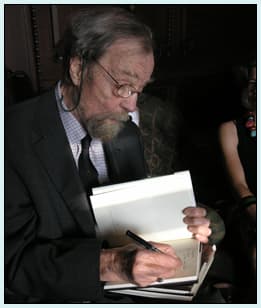
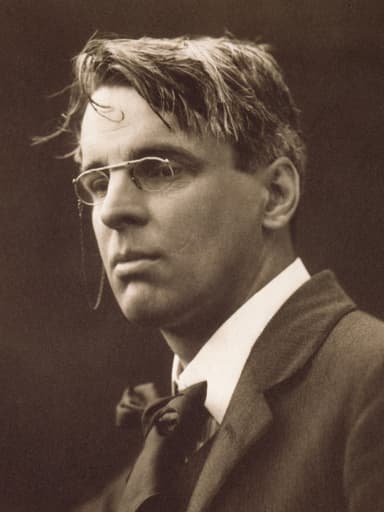
Stanley Kunitz was born in Worcester, Massachusetts, in 1905 and lived to be 100 years old, passing away in 2006. Over that century, he became one of the most quietly respected figures in American poetry. His life unfolded amidst significant upheaval, and he absorbed all of it into his work without ever coming across as loud or self-important.
His father died by suicide before Kunitz was born, and that absence influenced him in ways that emerged throughout his decades of poetry. He grew up in a home marked by loss and silence, dedicating much of his writing life to addressing that silence. While he wasn't a confessional poet in the raw, unfiltered sense—his poems are crafted with great care—the emotional stakes in his work remain personal and very real.
“Kunitz studied at Harvard, graduating summa cum laude in 1926, but he was reportedly told that Anglo-Saxon students would resent learning from a Jew, which closed off an academic path he had anticipated.”
He spent years working in journalism and editing before poetry became his main focus. This detour through the working world lent his writing a groundedness that purely academic poets sometimes lack.
His early collections, such as *Intellectual Things* (1930) and *Passport to the War* (1944), were formally structured and drew from the metaphysical tradition. Over time, he became much more relaxed in his style, and his later work—the poems he created in his seventies, eighties, and nineties—displays a directness and emotional openness that his earlier, more guarded poems don't quite achieve.