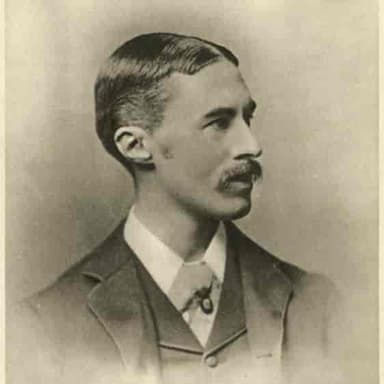
Thomas Hardy was born in 1840 in Higher Bockhampton, a quaint hamlet in Dorset, which greatly influenced his writing. His father worked as a stonemason and builder, and before he turned to writing seriously, Hardy trained as an architect. He spent several years in London focusing on church restoration projects, but his longing for home never faded, leading him to return to Dorset permanently.
He initially gained recognition as a novelist. Works like *Far from the Madding Crowd*, *The Mayor of Casterbridge*, *Tess of the d'Urbervilles*, and *Jude the Obscure* established him as a key figure in Victorian fiction. His novels were deeply rooted in the rural landscape he referred to as "Wessex" — a fictional representation of southwest England — and they candidly depicted the challenges posed by industrialization, class divisions, and societal hypocrisy. After *Jude the Obscure* faced harsh criticism in 1895, with claims of immorality, Hardy largely abandoned fiction and shifted his focus to poetry.
“This shift became one of the remarkable second acts in English literature.”
Hardy had been penning poems quietly for years, and once he dedicated himself fully to the craft, an outpouring of work followed. He published his first poetry collection, *Wessex Poems*, in 1898 and continued writing until his death in 1928 at the age of 87. His poems are concise, often somber, and imbued with a sense of time fleeting away. He possessed the formal sensibilities of a Victorian — favoring intricate stanza structures and precise rhyme patterns — yet the emotional depth was raw and more contemporary.
The death of his first wife Emma in 1912 opened a profound emotional space in him. The poems he composed in the subsequent months, known as the "Emma poems" in *Satires of Circumstance*, stand out as some of the most sincere expressions of grief in the English language. He reflected on their early romance, their long separation, and his own feelings of guilt with a clarity that remains striking.