Childhood poems achieve something that memoirs and fiction often struggle with. A poem can capture two time frames in a single breath — the child who was confused and the adult who understands now. That gap is where most of the emotion resides. You can see it in Blake's "innocence vs. experience" concept, in Dylan Thomas's sorrow for a fading Welsh boyhood, and in Lucille Clifton's succinct lines about growing up Black in mid-century America. This subject continues to inspire powerful work because it's both universal and uniquely specific. Everyone had a childhood; yet no two are the same.
Whether you’re seeking a poem that encapsulates the freedom of a summer afternoon, the turmoil of a difficult home life, the gentle gaze of a parent watching a child sleep, or simply the strange experience of being new to the world — you’ve found the perfect place to start.
The Reader's Atlas · Chapter Mortality & time
Poems About Childhood in the open canon
What is it about childhood that drives us to write so many poems about it? A big part of the answer lies in loss — once you realize you had a childhood, it’s already behind you. Yet, the poems people seek out here aren’t solely elegies for what’s past. They also explore the odd logic of being small in a vast world,…
- Indexed poems
- 131
- Indexed poets
- 29
- Short poems
- 6
§01 Opening
On childhood
A reader's preface to the theme — what to listen for as you move through the poems below.
Where to begin with childhood
Three ways in01 · Most-read entry
Birches
by Robert Frost, 1915
Read the line-by-line analysis, themes, and historical context for this entry in Storgy's index.
02 · Editor's pick
Blackberry Picking
by Seamus Heaney, 1966
Read the line-by-line analysis, themes, and historical context for this entry in Storgy's index.
03 · Counterpoint
Infant Joy
by William Blake, 1789
Read the line-by-line analysis, themes, and historical context for this entry in Storgy's index.
§03 The index
Every poem in this theme
- 01
Birches
Robert Frost1915Excerpt - 02
Blackberry Picking
Seamus Heaney1966Excerpt - 03
Infant Joy
William Blake1789PD - 04
In Just
E. E. Cummings1920Excerpt - 05
The Chimney-Sweeps of Cheltenham
Alfred Noyes1922Excerpt - 06
The Schoolboy
William Blake1789PD - 07
Thirteen
Caleb Femi2020Excerpt - 08
Wild Grapes
Robert Frost1923Excerpt - 09
A Baby Running Barefoot
D. H. Lawrence—PD - 10
A Child's Christmas in Wales
Dylan Thomas—PD - 11
Aladdin
James Russell Lowell—PD - 12
Al Fresco
James Russell Lowell—PD - 13
Allegra
James Russell Lowell—PD - 14
A Narrow Fellow in the Grass
Emily Dickinson—PD - 15
A Piteous Plaint
Eugene Field—PD - 16
A Valentine
Eugene Field—PD - 17
Bang!!
Amy Lowell—PD - 18
Beard and Baby
Eugene Field—PD - 19
By Jens Immanuel Baggesen
Henry Wadsworth Longfellow—PD - 20
By Julius Mosen
Henry Wadsworth Longfellow—PD
The remaining 111 poems about childhood are indexed but not yet featured here. Use the search index in the footer to surface them.
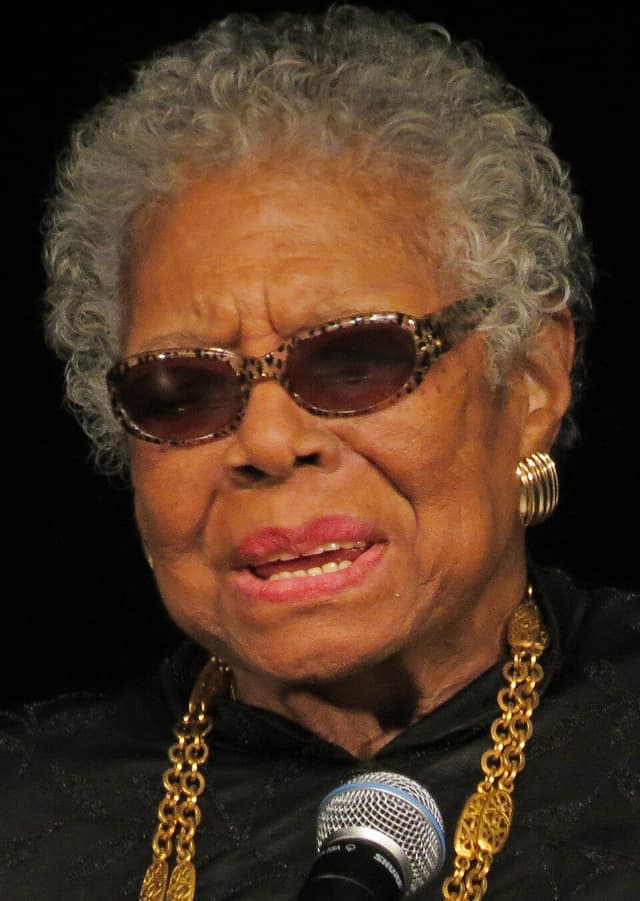
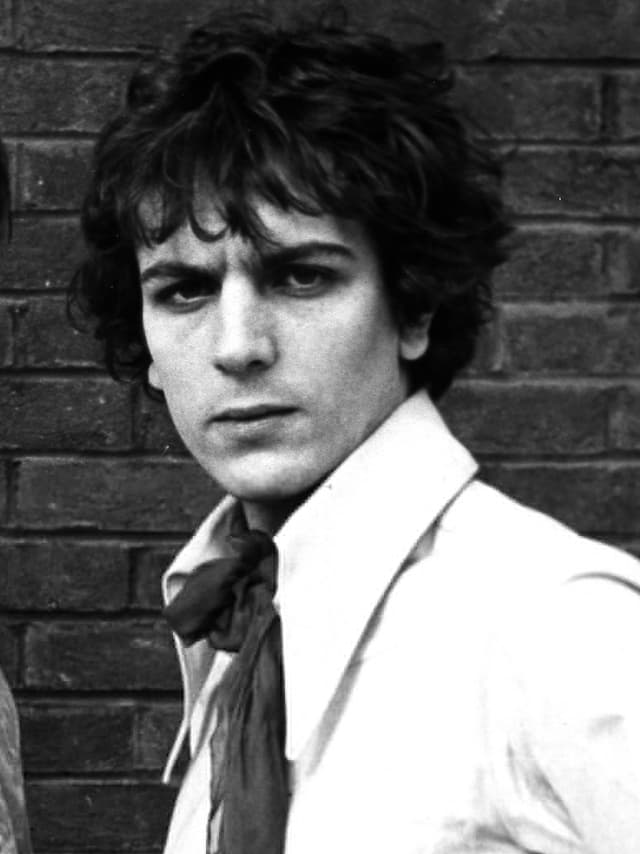
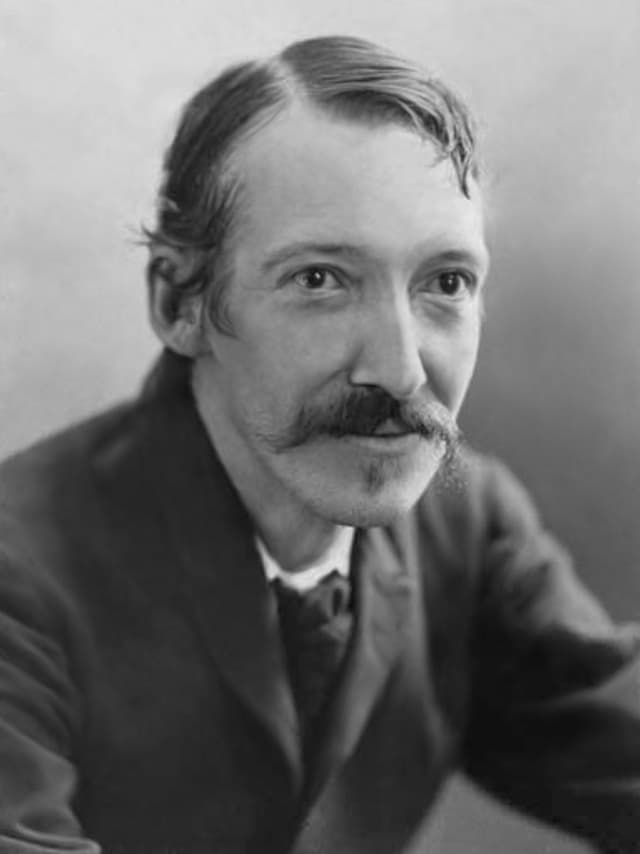
Notable poets on childhood
Cartography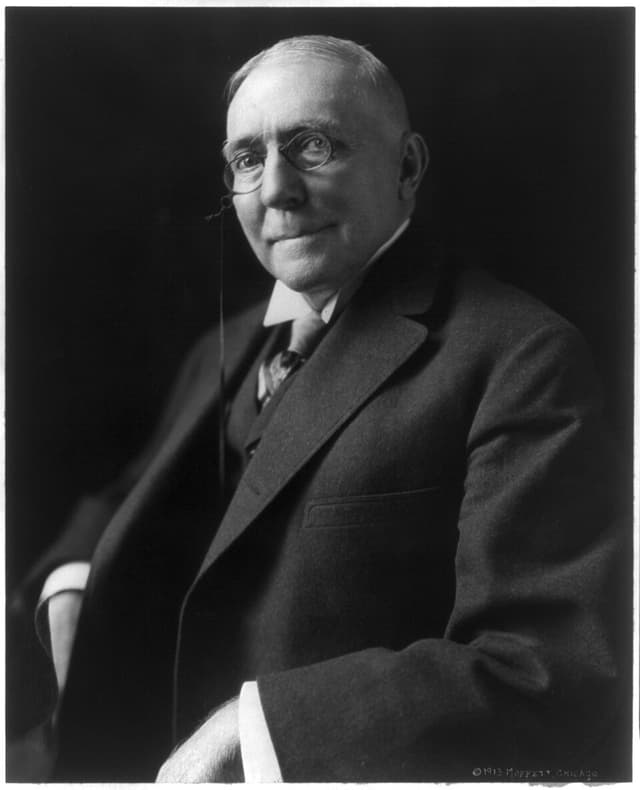
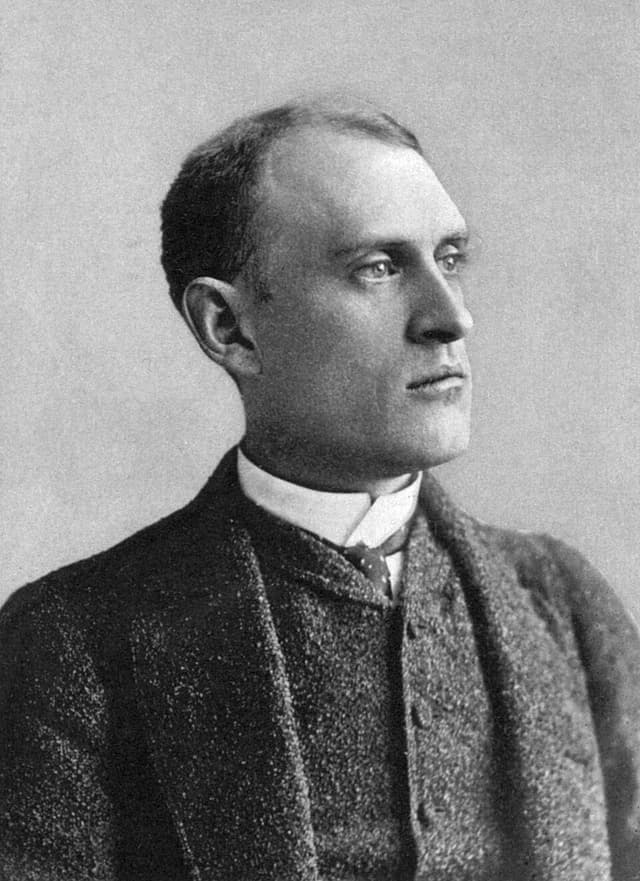
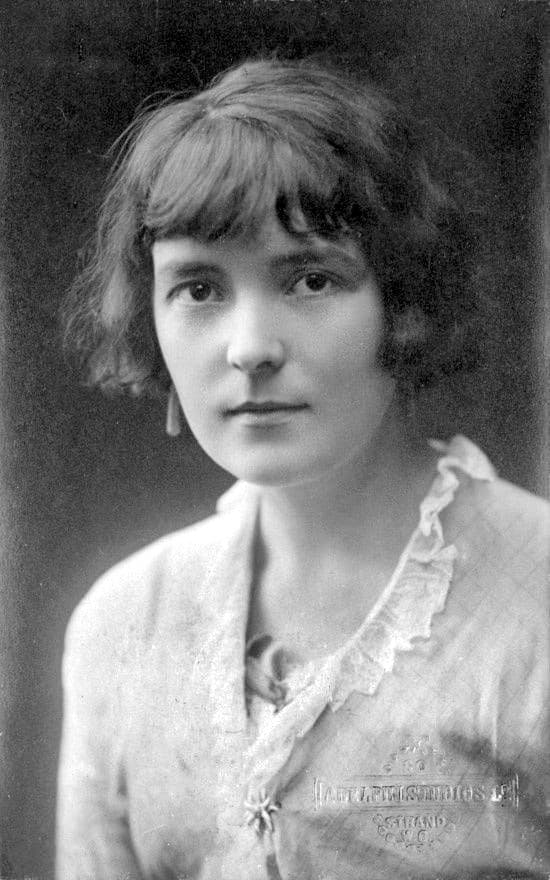
Reading on the move
Short poems about childhood
Twelve lines or fewer — a curated facet for the commute, the inbox, the lock screen. Hand-filtered for length, sequenced by canonical weight.
6
Under 12 lines
§04 Reader's questions
Questions about childhood poems
Q.01Why do so many poets return to childhood as a subject?
Answer
> Childhood is the period of life that has most shaped who we are, but we went through it without the tools to fully understand it. Writing a poem about childhood often allows us to revisit those times with adult perspectives, helping us make sense of our experiences—or come to terms with the fact that we may never fully understand them.
Q.02What's the difference between a nostalgic childhood poem and a sentimental one?
Answer
Nostalgia recognizes that something is lost and faces that truth directly. Sentimentality tends to sugarcoat or romanticize the past, making it seem more comfortable than it actually was. The most compelling childhood poems — like those by Thomas Hardy or Sharon Olds — embrace the messy, complicated aspects without hesitation.
Q.03Are there famous poems about childhood that aren't just about looking back?
Answer
Yes. William Blake's Songs of Innocence seeks to capture the child's perspective directly, without relying on an adult narrator to frame it. More recently, poets like Frank O'Hara and Gwendolyn Brooks focus on children in the present tense, portraying them as full subjects rather than just memories.
Q.04What poets are most associated with childhood as a theme?
Answer
William Blake is a natural starting point. Following him, poets like Dylan Thomas, Sylvia Plath, Lucille Clifton, Sharon Olds, Seamus Heaney, and Mary Oliver explored childhood experiences and how they resonate throughout adult life.
Q.05Can a poem about childhood also be a poem about grief?
Answer
Absolutely — many of the best ones are. Grief doesn't always revolve around a person. It can also be about a version of yourself, a place that’s vanished, or a time when the world felt different. Dylan Thomas's "Fern Hill" is really a poem about grief, disguised as a celebration.
Q.06How do poets handle traumatic or difficult childhoods without making the poem feel like a confession?
Answer
Usually through restraint and concrete detail. Rather than simply naming the emotion, a skilled poet reveals the specific object, moment, or gesture that embodies it. Sharon Olds excels at this — her poems about her challenging upbringing resonate deeply because they remain anchored in physical reality.
Q.07What's a good first poem to read if I'm new to this theme?
Answer
Dylan Thomas's "Fern Hill" is a great place to start—it's musical, vivid, and emotionally resonant right from the first read. For a shorter and more straightforward piece, check out Lucille Clifton's "the lost baby poem" or just about anything from her Good Times collection.