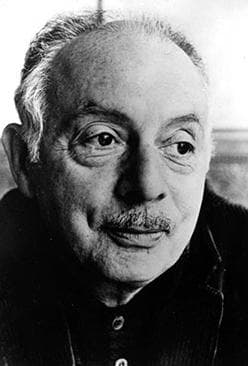
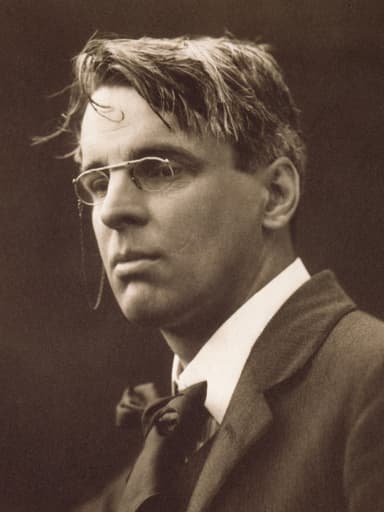
C. P. Cavafy, whose full name was Konstantinos Petrou Kavafis, was born in Alexandria, Egypt, in 1863 to a Greek merchant family. He spent most of his life in that city, where he worked for thirty years as a clerk in the Egyptian Ministry of Public Works, all the while quietly crafting some of the most unique poetry in the Greek language.
Alexandria influenced every aspect of his being. It was a city rich with layered histories—ancient and modern, Greek, Arab, and Ottoman—and Cavafy absorbed all of it. He drew inspiration from the Hellenistic world—the courts of Ptolemaic Egypt, the cities of late antiquity, and the edges of the Byzantine empire—not as a classicist wanting to flaunt his knowledge, but as someone who genuinely felt the weight of those lost worlds pressing against the present. His historical poems feel more like whispers from a long memory than mere reconstructions.
“He never put out a traditional book. Instead, he shared his poems privately through handmade pamphlets and loose sheets, circulating them among friends and a select group of admirers.”
By the time of his death in 1933—on his birthday, April 29—he had created a collection of fewer than 200 poems, but the impact of that modest body of work has been substantial. W. H. Auden and E. M. Forster were among his early supporters in the English-speaking world, with Forster's essays playing a key role in introducing him to readers who couldn’t access the Greek.
Cavafy’s work generally falls into three categories that he identified: historical poems, philosophical poems, and erotic poems. His erotic poems candidly explore same-sex desire in a way that was genuinely bold for his time, imbued with a particular tenderness—often reflecting on desire remembered rather than desire lived, with pleasure fading into reminiscence even as it’s being recounted.