Loneliness in poetry goes beyond just sadness in a dark corner. It's a specific and intricate feeling — the sense of being invisible, the desire for connection without knowing how to achieve it, being surrounded by noise that only amplifies the silence. Poets are drawn to this theme because it represents an experience that language often struggles to capture, and the effort to convey it is where the most powerful poems emerge.
You'll see loneliness portrayed in a variety of ways throughout the poetic tradition. Some poets sit with it quietly, painting a picture of an empty room or a solitary walk, allowing the imagery to convey the depth of feeling. Others confront it, depicting loneliness as anger or hunger instead of mere resignation. Some discover an unexpected freedom within it — a solitude that enhances their perception, making the world more vibrant because there's no one else to share it with.
What most of these poems have in common is authenticity. Loneliness is tough to fake and even harder to embellish, and the poets who capture it well don't attempt to disguise it. They simply articulate what it truly feels like to be someone who longs for recognition but isn't sure if it's achievable. If you've ever experienced that feeling — and most people have — you'll find something here that resonates.
The Reader's Atlas · Chapter The interior
Poems About Loneliness in the open canon
What do you turn to when you feel utterly alone — not just in a physical sense, but in that way where others are right beside you and it still doesn't make a difference? That's the question central to poems about loneliness, and it's why writers have been exploring this theme for as long as poetry has existed.
- Indexed poems
- 288
- Indexed poets
- 61
- Short poems
- 39
§01 Opening
On loneliness
A reader's preface to the theme — what to listen for as you move through the poems below.
Where to begin with loneliness
Three ways in01 · Most-read entry
A Game of Chess
by T. S. Eliot, 1922
Read the line-by-line analysis, themes, and historical context for this entry in Storgy's index.
02 · Editor's pick
Ah! Sun-flower
by William Blake, 1794
Read the line-by-line analysis, themes, and historical context for this entry in Storgy's index.
03 · Counterpoint
Alone
by Edgar Allan Poe, 1875
Read the line-by-line analysis, themes, and historical context for this entry in Storgy's index.
§03 The index
Every poem in this theme
- 01
A Game of Chess
T. S. Eliot1922Excerpt - 02
Ah! Sun-flower
William Blake1794PD - 03
Alone
Edgar Allan Poe1875PD - 04
An Irish Airman Foresees his Death
W. B. Yeats1919PD - 05
A Noiseless Patient Spider
Walt Whitman1868PD - 06
At Baia
H. D.1921Excerpt - 07
Beethoven in Central Park
Alfred Noyes1922Excerpt - 08
Circe
H. D.1921Excerpt - 09
Cuckoo Song
H. D.1924Excerpt - 10
Dead Man's Morrice
Alfred Noyes1907Excerpt - 11
Dusting the Phone
Jackie Kay1991Excerpt - 12
Echo
Christina Rossetti1862PD - 13
He Wishes for the Cloths of Heaven
W. B. Yeats1899PD - 14
Home Burial
Robert Frost1914Excerpt - 15
I’m Nobody! Who are you?
Emily Dickinson1891PD - 16
In a London Drawingroom
George Eliot1865PD - 17
In a Station of the Metro
Ezra Pound1913Excerpt - 18
I Wandered Lonely as a Cloud
William Wordsworth1807PD - 19
Letters from Yorkshire
Maura Dooley1995Excerpt - 20
Love Song of J. Alfred Prufrock
T. S. Eliot1915Excerpt
The remaining 268 poems about loneliness are indexed but not yet featured here. Use the search index in the footer to surface them.
Notable poets on loneliness
Cartography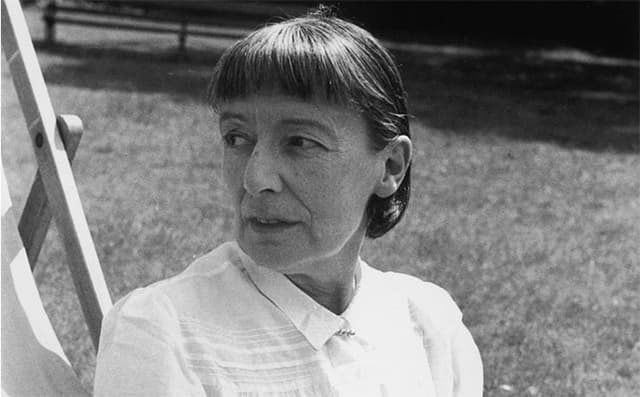




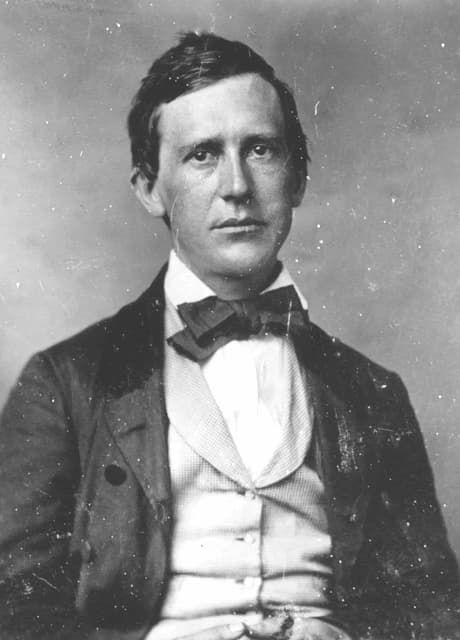
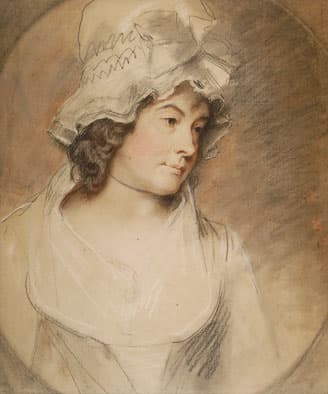
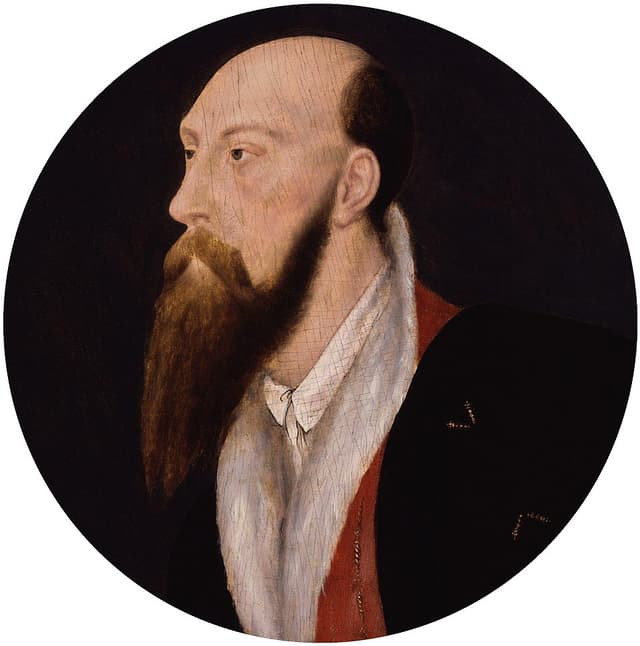
Reading on the move
Short poems about loneliness
Twelve lines or fewer — a curated facet for the commute, the inbox, the lock screen. Hand-filtered for length, sequenced by canonical weight.
39
Under 12 lines
§04 Reader's questions
Questions about loneliness poems
Q.01What makes a poem about loneliness different from a poem about sadness?
Answer
Sadness is an emotion, while loneliness is a state of being. A sad poem may express grief over a loss or disappointment. In contrast, a loneliness poem explores the distance between yourself and others — that feeling of not being connected or unable to connect. While they often overlap, loneliness carries a relational aspect that pure sadness might not always encompass.
Q.02Are poems about loneliness always bleak?
Answer
Not at all. Some of the most vibrant poems about loneliness capture an electric awareness of the world — when you're alone, you see things differently. Other poems find humor in the darkness or display a stubborn defiance. While bleakness is one approach, it's definitely not the only one.
Q.03What's the difference between loneliness and solitude in poetry?
Answer
Solitude is a choice; loneliness often isn't. For a long time, poets have viewed solitude as a productive, even essential state — the stillness that allows for clear thought and feeling. Loneliness, on the other hand, arises when that stillness turns into an unwanted void. Many poems hover at the edge of these two states, as the distinction can change in just one afternoon.
Q.04Why do people turn to poetry when they feel lonely?
Answer
Reading a poem that captures your exact feeling is one of the most profound ways language can help you feel understood. When a poet articulates something you believed was private and unspeakable, and they nail it, the loneliness doesn't vanish — but it transforms. You find yourself feeling less isolated in it.
Q.05Which poetic forms tend to suit the theme of loneliness?
Answer
Short lyric poems resonate because loneliness often strikes in fleeting moments instead of unfolding like a story. Elegies connect seamlessly to this theme, as grief and loneliness often go hand in hand. Free verse allows poets to capture the unpredictable rhythms of solitary reflection. However, loneliness can also be expressed through strict forms — the constraints of a sonnet can reflect the sensation of being confined within one's own mind.
Q.06Do poems about loneliness tend to offer comfort or just describe the feeling?
Answer
Both approaches have their place, depending on the poem. Some poets aim to provide companionship — the poem serves as a hand reaching out across the void. Others prioritize accuracy over comfort, portraying loneliness in its raw form. Readers often appreciate both styles, finding value in each at different times.
Q.07Is loneliness in poetry usually about romantic isolation or something broader?
Answer
It's much broader. Romantic loneliness is just one aspect; poems also delve into the loneliness that comes with aging, feeling like a stranger in a new place, being misunderstood by family, and living in a body that feels alien. The most impactful loneliness poems often touch on deeper themes beyond simply lacking a partner.