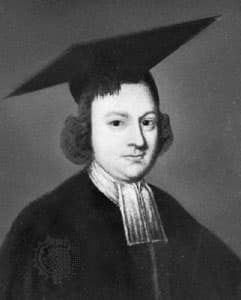
Ralph Waldo Emerson, or simply Waldo to his friends and family, was born in Boston in 1803 into a lineage of New England ministers. His father passed away when he was just eight years old, plunging the family into financial difficulties. However, his aunt Mary Moody Emerson encouraged his intellectual growth from a young age, leading him to enroll at Harvard at the age of fourteen. After graduating, he trained for the ministry and became a Unitarian pastor in Boston. This role lasted only a few years before he resigned due to a disagreement about the Lord's Supper. Rather than a crisis of faith, this marked a declaration of independence for Emerson, who felt that organized religion was hindering true spiritual experiences.
Following the death of his first wife, Ellen, from tuberculosis in 1831, Emerson traveled to Europe, where he met literary figures like Coleridge, Wordsworth, and Thomas Carlyle. Carlyle would become a lifelong friend and correspondent. Upon returning home, he settled in Concord, Massachusetts, remarried, and established a fulfilling life centered around lecturing, writing, and forming a community of thinkers that sparked the Transcendentalist movement. This group included notable figures such as Henry David Thoreau, Margaret Fuller, and Bronson Alcott, all of whom shared his belief that the individual soul can access truth and divinity directly, without the need for institutional mediation.
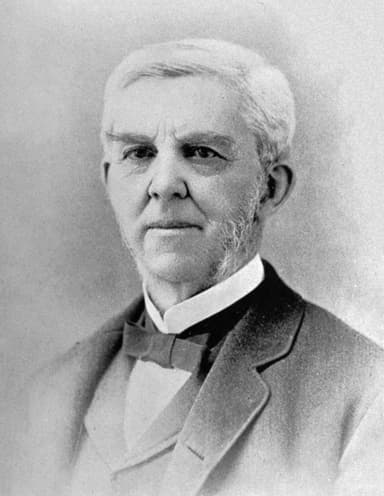
“In his 1836 essay *Nature*, Emerson laid the groundwork for his philosophy, and his 1837 address "The American Scholar" was so impactful that Oliver Wendell Holmes described it as America's intellectual Declaration of Independence.”
He followed this with the "Divinity School Address" in 1838, which scandalized Harvard's religious establishment to the extent that he was not invited back to speak for thirty years.
Though Emerson wrote poetry throughout his life, he is often more remembered for his prose. His poems are typically concise, enigmatic, and somewhat unconventional—less refined than his essays but frequently more surprising. He valued meter and form but was also willing to break them when necessary, a tension that greatly influenced Whitman. Whitman even sent Emerson an early copy of *Leaves of Grass*, receiving one of the most generous letters in American literary history in return.