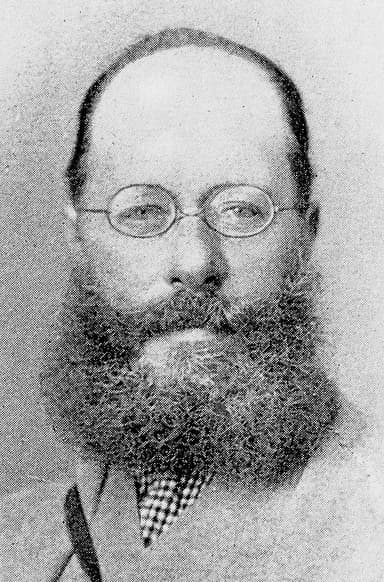
Thomas Wyatt was born in 1503 at Allington Castle in Kent, the son of Henry Wyatt, who was a devoted servant to the Tudor crown. He grew up in a time when poetry and politics were closely intertwined, navigating both realms throughout his adult life with varying degrees of success.
Wyatt studied at St John's College, Cambridge, and entered Henry VIII's court as a young man. He quickly made a name for himself, serving as a diplomat, courtier, and even an occasional spy. This diverse career took him across Europe, allowing him to visit the courts of France, Spain, and Italy. These travels greatly influenced his poetry. In Italy, he discovered the sonnets of Petrarch, and upon returning to England, he introduced this form, leaving a lasting impact on English poetry. Before Wyatt, sonnets were simply absent from the English literary tradition.
“His personal life was deeply enmeshed in the perils of the Tudor court in ways that are hard to ignore.”
He likely knew Anne Boleyn before her rise to queen, and some scholars suggest they may have had a romantic relationship, although the evidence remains circumstantial. When Anne was arrested in 1536 on charges of adultery and treason, Wyatt was also imprisoned in the Tower of London. From his cell, he witnessed the executions of her alleged lovers. He managed to survive—possibly thanks to Thomas Cromwell's protection—and was eventually released, but this harrowing experience left a significant mark on his writing.
Wyatt faced imprisonment again in 1541, once more on political charges, yet he survived. This pattern of narrow escapes runs like a thread through his life. He passed away in 1542 from a fever contracted while riding to meet a Spanish envoy, at just 39 years old.