Family poems encompass a wide spectrum. There are heartfelt elegies for grandparents, angry letters to absent fathers, and quiet depictions of siblings who grew up together yet somehow became strangers. They explore both the families we’re born into and the ones we create ourselves. Some of the most impactful pieces grapple with contradictions—loving someone while resenting them, grieving for someone still living, or feeling nostalgic for a place that no longer exists.
What makes family such fertile ground for poetry is that it’s where the most significant human forces—love, power, memory, identity, and loss—unfold in the tiniest, most specific moments. A kitchen table. A hospital waiting room. A phone call that drags on too long or ends too abruptly. Poets focus on these details because that’s where the truth resides.
If you’ve ever found it hard to express what your family means to you, you’re not alone. Poets have been wrestling with the same challenge for as long as poetry has existed.
The Reader's Atlas · Chapter Bonds & belonging
Poems About Family in the open canon
What do you think about the people who influenced you before you could voice your own opinions? That’s the underlying question in nearly every search for poems about family. Whether you're hunting for something to share at a reunion, trying to understand a complicated parent, or just feeling the familiar ache of being…
- Indexed poems
- 101
- Indexed poets
- 38
- Short poems
- 14
§01 Opening
On family
A reader's preface to the theme — what to listen for as you move through the poems below.
Where to begin with family
Three ways in01 · Most-read entry
Catrin
by Gillian Clarke, 1978
Read the line-by-line analysis, themes, and historical context for this entry in Storgy's index.
02 · Editor's pick
Climbing My Grandfather
by Andrew Waterhouse, 2000
Read the line-by-line analysis, themes, and historical context for this entry in Storgy's index.
03 · Counterpoint
Eden Rock
by Charles Causley, 1988
Read the line-by-line analysis, themes, and historical context for this entry in Storgy's index.
§03 The index
Every poem in this theme
- 01
Catrin
Gillian Clarke1978Excerpt - 02
Climbing My Grandfather
Andrew Waterhouse2000Excerpt - 03
Eden Rock
Charles Causley1988Excerpt - 04
Follower
Seamus Heaney1966Excerpt - 05
For Bryher and Perdita
H. D.1925Excerpt - 06
Kamikaze
Beatrice Garland2013Excerpt - 07
On My First Son
Ben Jonson1616PD - 08
Poppies
Jane Weir2009Excerpt - 09
Singh Song!
Daljit Nagra2007Excerpt - 10
Walking Away
Cecil Day-Lewis1962Excerpt - 11
A Baby Asleep After Pain
D. H. Lawrence—PD - 12
A Chamber in the Vatican
Percy Bysshe Shelley—PD - 13
A Chippewa Legend
James Russell Lowell—PD - 14
A Hall of the Prison
Percy Bysshe Shelley—PD - 15
Ailsie, My Bairn
Eugene Field—PD - 16
A Lullaby
Eugene Field—PD - 17
A Mother
Henry Wadsworth Longfellow—PD - 18
An Apartment in the Castle of Petrella
Percy Bysshe Shelley—PD - 19
A Parable
James Russell Lowell—PD - 20
Apple-Pie and Cheese
Eugene Field—PD
The remaining 81 poems about family are indexed but not yet featured here. Use the search index in the footer to surface them.
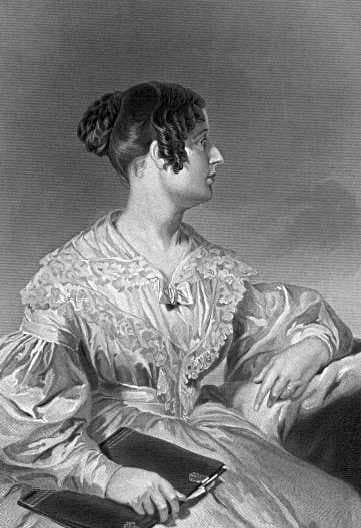
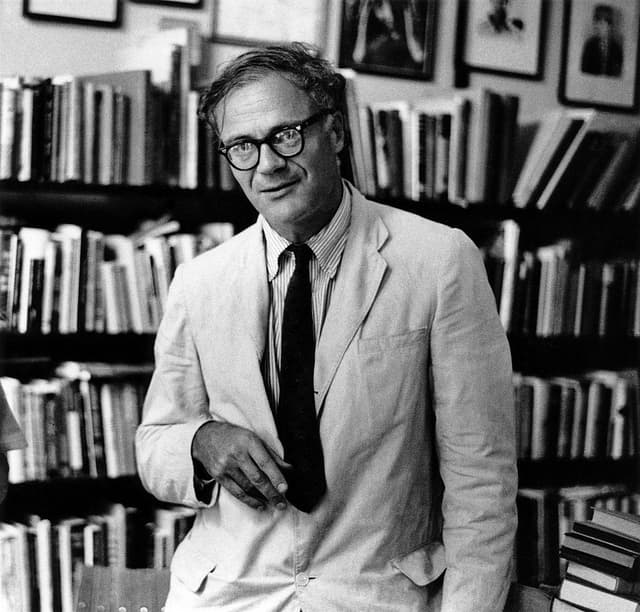
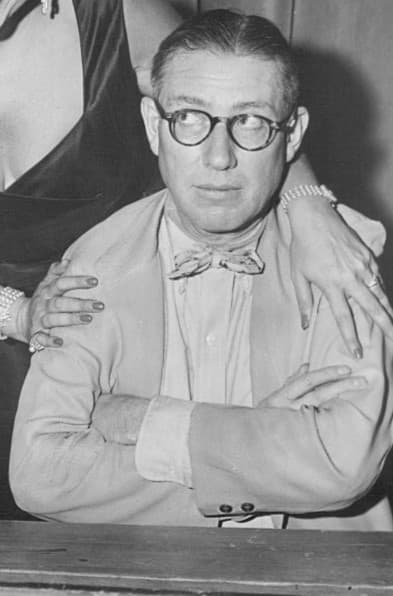
Notable poets on family
Cartography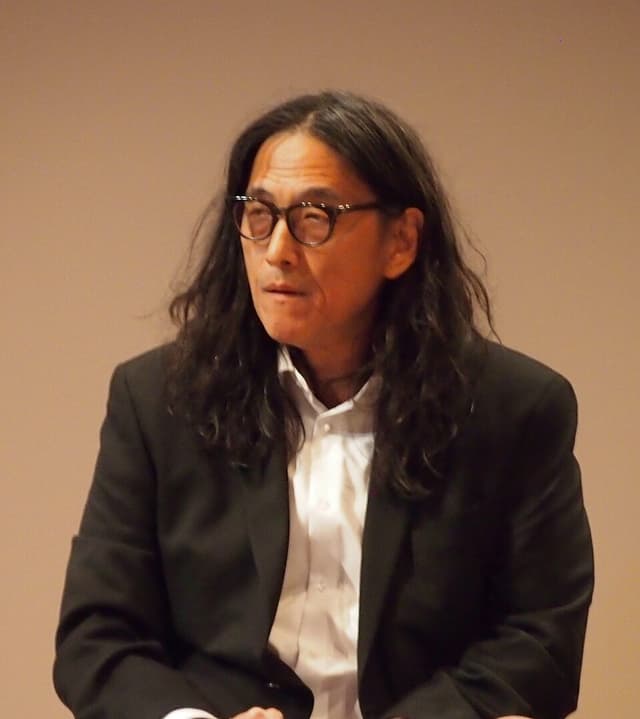


Reading on the move
Short poems about family
Twelve lines or fewer — a curated facet for the commute, the inbox, the lock screen. Hand-filtered for length, sequenced by canonical weight.
14
Under 12 lines
§04 Reader's questions
Questions about family poems
Q.01What are some famous poems about family?
Answer
A few poems that frequently come up are Robert Hayden's "Those Winter Sundays" (a son reflecting on his father's quiet love), Sharon Olds's "I Go Back to May 1937" (observing your parents before they took on that role), and Seamus Heaney's "Digging" (linking his own work to that of his father and grandfather). These are great starting points since they each offer a unique perspective on the meaning of family.
Q.02Are there poems about difficult or broken families?
Answer
Plenty. Poetry is one of the best places to discover language that captures family relationships outside the typical greeting-card clichés. Poets like Sharon Olds, Sylvia Plath, and Frank Bidart have bravely explored themes of abuse, estrangement, and complex grief. If you're seeking poems that acknowledge that family isn't always warm and safe, you won’t have to search hard.
Q.03What are good poems about family to read at a funeral or memorial?
Answer
Look for elegies that honor a specific life instead of providing generic solace. Mary Oliver's poems often suit this purpose, as do Wendell Berry's reflections on the continuity between generations. The aim is typically to find a poem that acknowledges genuine grief while also embracing something deeper — love, memory, and how a person continues to exist in the lives of those they've left behind.
Q.04Are there poems about chosen family or found family?
Answer
Yes, it's an exciting and expanding area of the poetry world. Poets reflecting on LGBTQ+ experiences, immigration, and community are producing some truly compelling work—delving into what it means to create connections beyond traditional family bonds. Essex Hemphill and Lucille Clifton are excellent starting points.
Q.05Why do so many family poems focus on small, everyday details?
Answer
Because that's how family truly exists within us — not as vague ideas but as vivid sensory memories. The aroma of a grandmother's kitchen, the sound of a father's boots on the stairs. Poets draw on these specifics because they hold emotional depth that general statements lack. A good family poem prompts you to recall your own version of that memory.
Q.06What poetic forms work well for poems about family?
Answer
There's no one-size-fits-all answer, but many poets exploring family themes often lean toward the lyric essay or the dramatic monologue—forms that embrace complexity and shifting perspectives. Sonnets also appear frequently, likely because the turn in a sonnet reflects how we continually reshape our understanding of the people we grew up with.
Q.07How do I write a poem about my own family?
Answer
Start with a specific moment — not “my mother loved me” but a vivid memory with her. What clothes was she wearing? What words did she speak or leave unspoken? The feeling will shine through the details. Avoid the temptation to explain the significance of the scene. Let the image convey its own meaning.
Q.08Are there poems about the experience of being a parent?
Answer
Many. The journey of becoming a parent — along with the fear, wonder, and shift in identity that it brings — has inspired a rich tradition of poetry. W.B. Yeats's "A Prayer for My Daughter" is a timeless example. In more recent times, poets like Maggie Smith have candidly explored the joys and fears of parenthood.