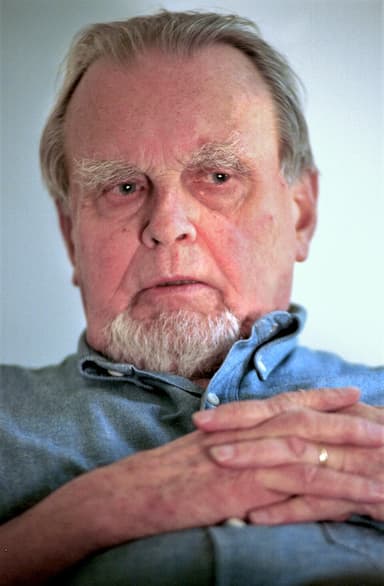
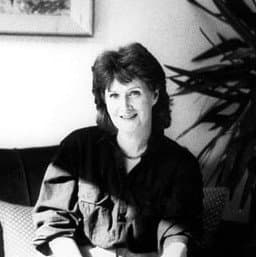
Robert Lowell was born in Boston in 1917 into one of those old New England families that felt more like a destiny than a family to its members. The Lowells had been in America since the colonial era, and that legacy — filled with history, expectation, and a certain kind of Protestant seriousness — stayed with him throughout his life. Growing up in Boston, he infused the city and the wider New England landscape into his poetry for years to come.
He studied under John Crowe Ransom at Kenyon College and later with Allen Tate, embracing the strict formal discipline of the New Criticism before ultimately breaking away from it in a remarkable way. His early collections, like *Lord Weary's Castle* (1946), which won the Pulitzer Prize, were dense, allusive, and rich with Catholic imagery — Lowell had converted to Roman Catholicism in his twenties, a change that infused his early work with themes of guilt and apocalypse.
“The shift that brought him wider recognition came with *Life Studies* (1959).”
He relaxed the form, introduced raw autobiography, and candidly addressed his family, his mental breakdowns, his marriages, and his hospital stays. It was a genuinely shocking book for its time and played a significant role in launching what critics termed "confessional poetry" — a label Lowell never fully accepted but couldn’t shake off. Sylvia Plath, Anne Sexton, and W. D. Snodgrass were all writing in the same vein.
Lowell battled severe bipolar disorder throughout his adult life, experiencing manic episodes and hospitalizations that he transformed into poetry instead of hiding away. He was also a public figure in a way few American poets have been — he turned down an invitation to the White House in protest of the Vietnam War and joined Norman Mailer in a march on the Pentagon in 1967.