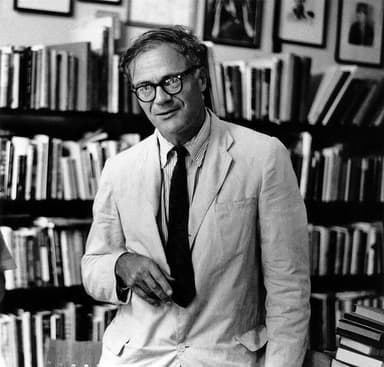
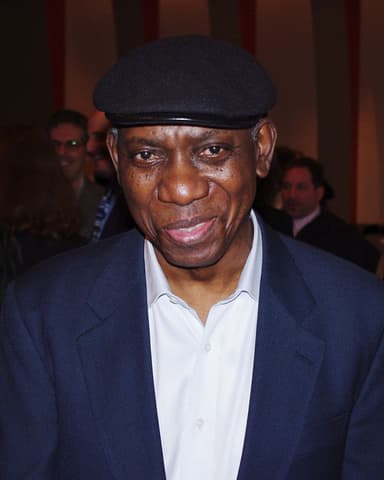
Czesław Miłosz was born in 1911 in Szetejnie, a small village that is now in Lithuania but was then part of the Russian Empire. The complex and contested history of that region—Lithuanian, Polish, Russian, and eventually Soviet—influenced his writing profoundly. He grew up speaking Polish, studied law in Vilnius, and began publishing poetry in the early 1930s, all while Europe's political landscape was beginning to shift dramatically.
During the Nazi occupation of Warsaw, Miłosz remained in the city, working underground and witnessing the devastation of the Warsaw Ghetto. Those experiences left an indelible mark on him. He couldn't write as if history was something that happened to others—it was happening to him, around him, and through him.
“After the war, he served as a cultural attaché for the new Polish communist government, first in Washington and later in Paris.”
In 1951, he chose exile over complicity and defected. He lived in Paris for a time, where he wrote *The Captive Mind*, a powerful critique of how intellectuals justify their submission to totalitarian regimes. This work brought him fame in the West but made him unwelcome in Poland, where his books were banned for many years.
In 1960, he moved to the United States and took a position at UC Berkeley, teaching Slavic literature for more than twenty years. He was a prolific writer—producing poetry, essays, novels, and translations—primarily in Polish, for an audience in his homeland that was unable to read his work legally. This peculiar situation, writing in a language for people who were cut off from his writings, flows through his poetry like an undercurrent.