Friendship is one of the oldest themes in literature, yet it seldom receives the same dramatic treatment as romantic love. Poets often need to dig deeper to illustrate its significance. They focus on small, specific moments: two friends sharing a meal, a letter arriving just when it’s needed, a joke that only two people understand. Those details hold immense meaning.
The range of friendship poetry is vast. Some pieces celebrate friendships in full bloom — the effortless warmth of people who genuinely enjoy each other's company. Others reflect on the sorrow of a friendship that faded quietly or the awkward guilt of drifting apart from someone with whom you once shared everything. There are elegies for friends who have passed away, odes to unexpected companions, and poems that attempt to define what makes one person feel like home to another.
What sets friendship poetry apart from love poetry is its lack of urgency. There's no courtship, no jealousy, no dramatic break (most of the time). The tension is more subdued: will this last? Does this person truly see me? What do I owe someone who has given me so much? Poets writing about friendship often explore themes of identity — because the friends we choose to keep close reveal a lot about who we are.
The Reader's Atlas · Chapter Bonds & belonging
Poems About Friendship in the open canon
What do you say to someone who has seen you at your worst and stayed by your side anyway? That's the underlying question in most poems about friendship — not the clichéd version, but the genuine article: loyalty tested by time, distance, silence, and change.
- Indexed poems
- 101
- Indexed poets
- 7
- Short poems
- 10
§01 Opening
On friendship
A reader's preface to the theme — what to listen for as you move through the poems below.
Where to begin with friendship
Three ways in01 · Most-read entry
Auld Lang Syne
by Robert Burns, 1788
Read the line-by-line analysis, themes, and historical context for this entry in Storgy's index.
02 · Editor's pick
Portrait of a Lady
by T. S. Eliot, 1915
Read the line-by-line analysis, themes, and historical context for this entry in Storgy's index.
03 · Counterpoint
Sonnet 30: When to the sessions of sweet silent thought
by William Shakespeare, 1609
Read the line-by-line analysis, themes, and historical context for this entry in Storgy's index.
§03 The index
Every poem in this theme
- 01
Auld Lang Syne
Robert Burns1788PD - 02
Portrait of a Lady
T. S. Eliot1915Excerpt - 03
Sonnet 30: When to the sessions of sweet silent thought
William Shakespeare1609PD - 04
Tableau
Countee Cullen1925PD - 05
Addressed to Haydon
John Keats—PD - 06
A Dream of Sunshine
Eugene Field—PD - 07
A Drinking Song
Eugene Field—PD - 08
Agassiz
James Russell Lowell—PD - 09
An Epistle to George William Curtis
James Russell Lowell—PD - 10
An Invitation
James Russell Lowell—PD - 11
As I Lay with My Head in Your Lap Camerado
Walt Whitman—PD - 12
A Spring Poem from Bion
Eugene Field—PD - 13
Avec Un Panier De Vins Divers
Henry Wadsworth Longfellow—PD - 14
Bayard Taylor
Henry Wadsworth Longfellow—PD - 15
Buena Park, Ill., December 4, 1893
Eugene Field—PD - 16
Calidore
John Keats—PD - 17
Chicago, May 26, 1892
Eugene Field—PD - 18
De Amicitiis
Eugene Field—PD - 19
Dedication
Henry Wadsworth Longfellow—PD - 20
Dedication, to Leigh Hunt, Esq
Percy Bysshe Shelley—PD
The remaining 81 poems about friendship are indexed but not yet featured here. Use the search index in the footer to surface them.
Notable poets on friendship
Cartography
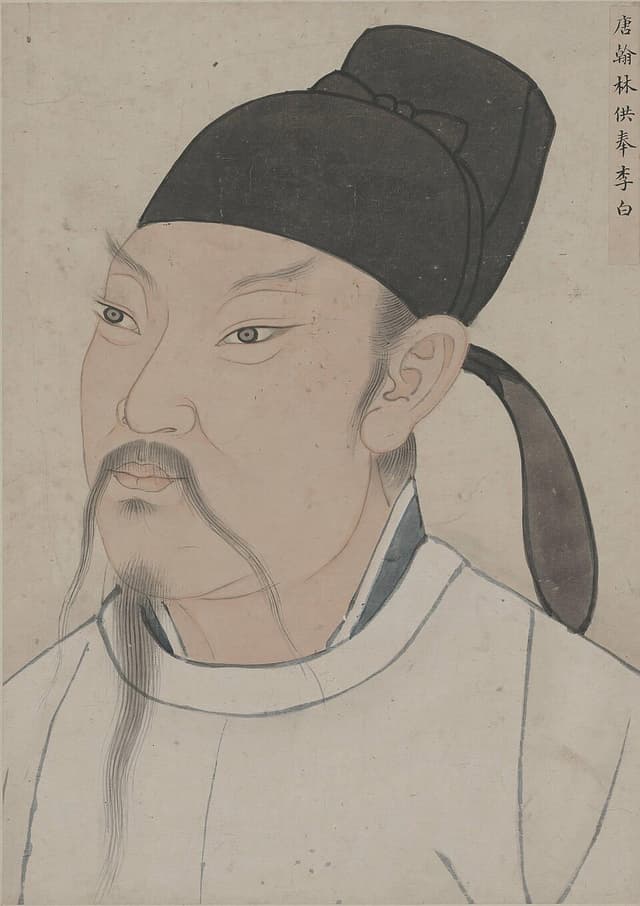
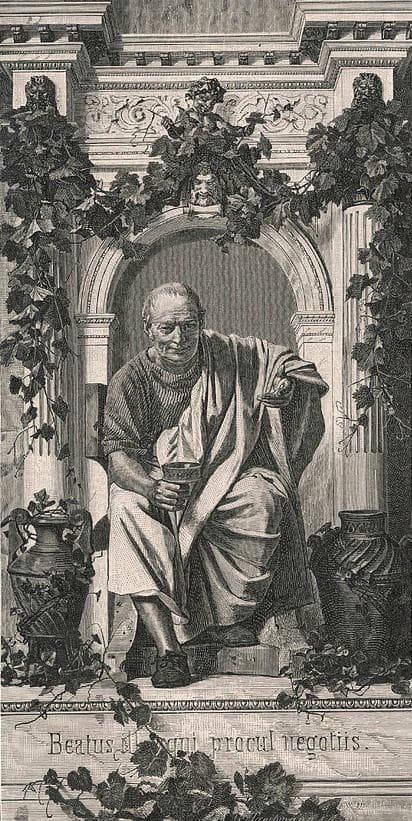
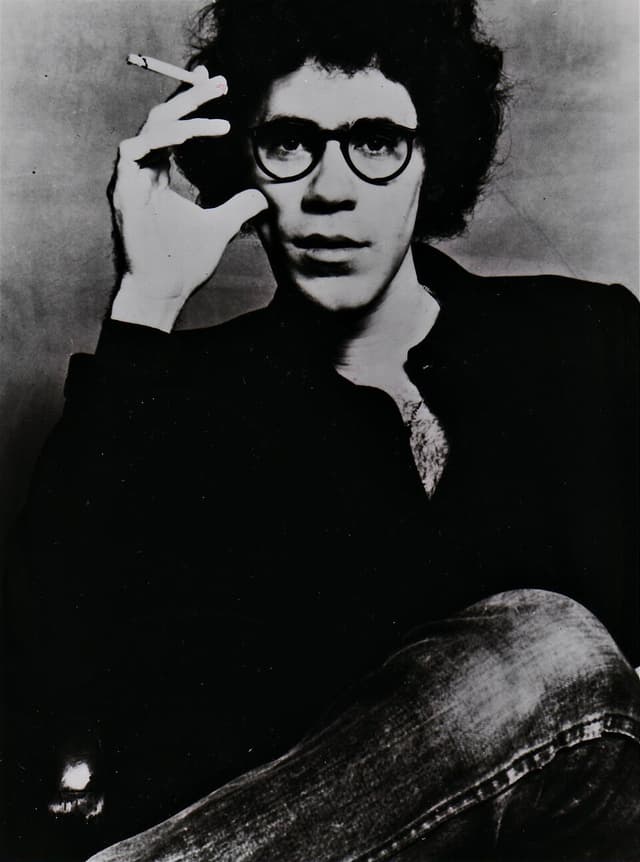
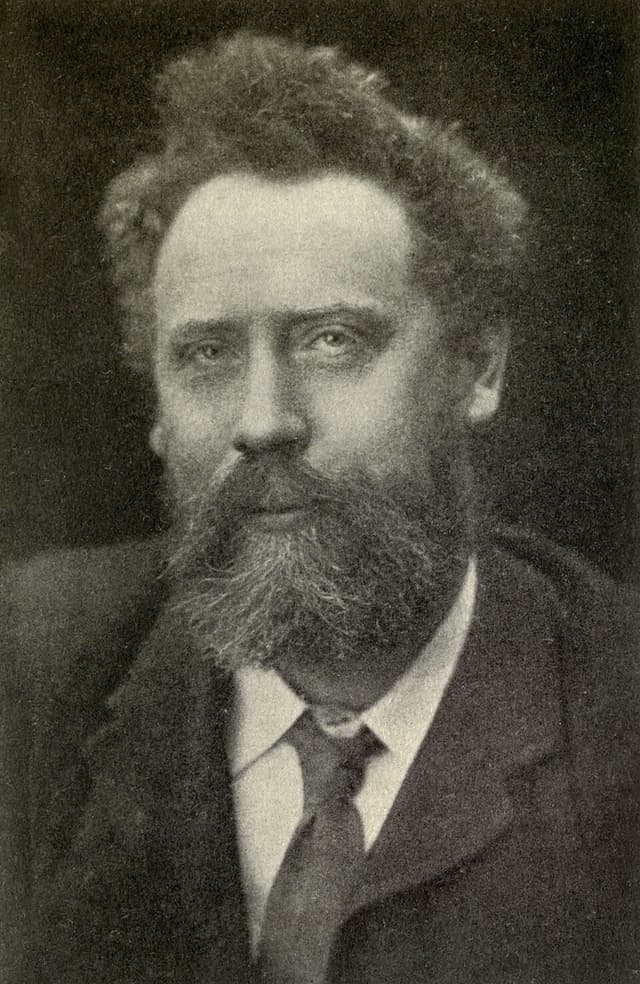
Reading on the move
Short poems about friendship
Twelve lines or fewer — a curated facet for the commute, the inbox, the lock screen. Hand-filtered for length, sequenced by canonical weight.
10
Under 12 lines
§04 Reader's questions
Questions about friendship poems
Q.01What makes a poem about friendship different from a poem about love?
Answer
Romantic love poems often revolve around desire and tension. In contrast, friendship poems are more subdued — they focus on consistency and the comfort of being understood over time. The stakes seem different: less passion, more stability.
Q.02Are there famous poems specifically about male friendship?
Answer
Yes. Tennyson's In Memoriam A.H.H. is a prime example — a lengthy elegy for his friend Arthur Hallam that captures the emotional depth of a love poem. Walt Whitman similarly explored male companionship in Calamus, a section of Leaves of Grass he dedicated to what he referred to as "adhesiveness."
Q.03What are some well-known poems about losing a friend?
Answer
W.H. Auden's "Stop all the clocks" (from Twelve Songs) is likely the most quoted poem, often interpreted as a reflection on romantic loss. For a focus on friendship, consider Seamus Heaney's elegies for fellow poets or Mary Oliver's poems that honor her partner, Molly Malone Cook.
Q.04Do poems about friendship have to be serious?
Answer
Not at all. Some of the best ones are genuinely funny—affectionate, teasing, and packed with inside jokes. Frank O'Hara's poems about his New York friends carry a lighthearted, playful vibe that still manages to resonate on a deeper level.
Q.05How do poets write about a friendship that ended without a fight — just drifted?
Answer
That quiet drift is surprisingly challenging to write about since there's no specific event to ground the poem. Poets often latch onto a concrete image or moment—like an unanswered message or bumping into someone at a store—and allow that small detail to convey the broader emotion of loss.
Q.06Can a poem about friendship also be a poem about grief?
Answer
Absolutely, some of the most impactful ones capture both aspects. When a close friend passes away, the grief can be so unique that it doesn’t always align with the usual expressions of mourning. Poets often write friendship elegies because they require a form that can encompass this specific type of loss.
Q.07What poetic forms work well for friendship poems?
Answer
Epistolary poems, which take the form of letters, fit friendship perfectly because letters are the traditional way friends communicate over distance. Odes are a great choice for celebrating special moments. When it comes to themes of loss or separation, many poets prefer free verse that has a conversational tone, as if they're still having a dialogue with the person.
Q.08Why do so many friendship poems focus on small, ordinary moments?
Answer
Because that's where friendship truly exists. It's not typically about grand gestures — it's the small, everyday acts of simply being there. A poem that depicts one specific ordinary moment (like a shared meal, a walk, or a phone call) can convey more about a friendship than any vague promise of loyalty.