Skip to content

The Poet Index · Entry 088

D. H. Lawrence
Poems

Lifespan
1885–1930
Nationality
United Kingdom
Indexed Works
65

It’s Lawrence at his most focused—a dying man wielding a flower and a myth to confront death head-on, unflinching.

Editorial intro

Nikola Gulevski, Editor, Storgy

About our editor →

Editorial intro

D. H. Lawrence wrote poems in a way that many poets did not, sprawling, repetitive, and intentionally unfinished, as if the thinking continues on the page. While his contemporaries polished the Georgian lyric into something decorative and safe, Lawrence allowed his lines to run long, circle back, and engage in argument with themselves. This refusal to tidy up serves a purpose. Collections like *Birds, Beasts and Flowers* and the posthumous *Last Poems* exhibit an urgency that much poetry of his era lacks.

He occupies the landscape as a bridge between the raw emotional impact of the Romantics and the fragmented interiority that characterizes modernism, although he was fully part of neither camp. His influence is most evident in Ted Hughes, who shared Lawrence's fascination with the natural world as something genuinely dangerous rather than merely picturesque. New readers are often surprised by the conversational tone of the poems, which can feel almost uncomfortably direct, like someone grabbing your arm to make a point. A second surprise is the strangeness that emerges. Lawrence did not write confessional poetry in the modern sense, but he mapped inner states through animals, flowers, and landscapes in ways that remain original and slightly unsettling.

Where to start

The Works

Sort byYearTitle
  1. 01A BABY ASLEEP AFTER PAINUndated
  2. 02A BABY RUNNING BAREFOOTUndated
  3. 03A LOVE SONGUndated
  4. 04A PASSING BELLUndated
  5. 05A SPIRITUAL WOMANUndated
  6. 06A WINTER'S TALEUndated
  7. 07AFTER MANY DAYSUndated
  8. 08AmoresUndated
  9. 09ANXIETYUndated
  10. 10AT THE WINDOWUndated
  11. 11BALLAD OF ANOTHER OPHELIAUndated
  12. 12Bavarian GentiansUndated
  13. 13BLUEUndated
  14. 14BROODING GRIEFUndated
  15. 15BROTHER AND SISTERUndated
  16. 16DISCIPLINEUndated
  17. 17DISCORD IN CHILDHOODUndated
  18. 18DISSOLUTEUndated
  19. 19DOLOR OF AUTUMNUndated
  20. 20DRUNKUndated
  21. 21ELEGYUndated
  22. 22EXCURSIONUndated
  23. 23FIRELIGHT AND NIGHTFALLUndated
  24. 24GreenUndated
  25. 25GREY EVENINGUndated
  26. 26H. LAWRENCEUndated
  27. 27IN A BOATUndated
  28. 28IN TROUBLE AND SHAMEUndated
  29. 29IRONYUndated
  30. 30LAST WORDS TO MIRIAMUndated
  31. 31LIAISONUndated
  32. 32LISTENINGUndated
  33. 33LOTUS HURT BY THE COLDUndated
  34. 34MALADEUndated
  35. 35MATINGUndated
  36. 36MONOLOGUE OF A MOTHERUndated
  37. 37MYSTERYUndated
  38. 38NASCENTUndated
  39. 39OLDUndated
  40. 40PATIENCEUndated
  41. 41PERFIDYUndated
  42. 42PianoUndated
  43. 43REPROACHUndated
  44. 44RESTLESSNESSUndated
  45. 45SCENT OF IRISESUndated
  46. 46SILENCEUndated
  47. 47SilencesUndated
  48. 48SnakeUndated
  49. 49SNAP-DRAGONUndated
  50. 50SORROWUndated
  51. 51STUDYUndated
  52. 52SUBMERGENCEUndated
  53. 53TEASEUndated
  54. 54THE BRIDEUndated
  55. 55THE ENKINDLED SPRINGUndated
  56. 56THE HANDS OF THE BETROTHEDUndated
  57. 57THE INHERITANCEUndated
  58. 58THE MYSTIC BLUEUndated
  59. 59THE PROPHETUndated
  60. 60THE PUNISHERUndated
  61. 61THE VIRGIN MOTHERUndated
  62. 62THE WILD COMMONUndated
  63. 63TROTH WITH THE DEADUndated
  64. 64VIRGIN YOUTHUndated
  65. 65WEEK-NIGHT SERVICEUndated

Recurring themes

Biographical record

About D. H. Lawrence

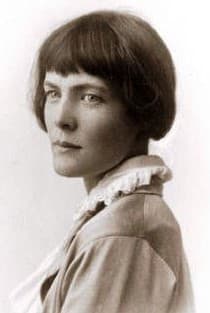
D. H. Lawrence was born in Eastwood, Nottinghamshire, in 1885, as the fourth child of a coal miner and a schoolteacher who had dreams beyond their working-class life. This clash between working-class roots and middle-class ambitions colored all his writing. He trained to be a teacher, earned a scholarship to Nottingham University College, and appeared to be on track for a quiet, respectable life. However, after his mother passed away in 1910, the person who had influenced him the most, everything changed. He left his teaching job, moved to London, and began to write seriously.

In 1912, he met Frieda Weekley, a German aristocrat who was still married to one of his former professors. They eloped to Europe together, shocking their acquaintances. They eventually married in 1914 after Frieda finalized her divorce and spent the remainder of Lawrence's life in constant motion — traveling through Germany, Italy, Australia, New Mexico, Mexico, and back to Europe. Lawrence had a restless spirit that made it hard for him to settle down, and this nomadic lifestyle both fueled his creativity and drained him.

His novels often faced censorship issues.

*The Rainbow* was seized and destroyed by court order in 1915. *Lady Chatterley's Lover*, which was privately printed in Florence in 1928, didn't see publication in Britain until 1960, thirty years after his death. The obscenity trials brought him notoriety in ways that he found both beneficial and frustrating.

What often gets overlooked amid the scandal is Lawrence's serious commitment to poetry. He wrote poetry throughout his life, and his collections — *Love Poems and Others* (1913), *Look! We Have Come Through!* (1917), *Birds, Beasts and Flowers* (1923), and the posthumous *Last Poems* (1932) — reveal a poet who embraced rawness, imperfection, and genuine strangeness. He had little patience for the polished Georgian lyric. His poems are sprawling, repetitive, and often engage in a dialogue with the reader. They come across as a stream of consciousness rather than a polished performance.
Biographical span
1885Birth
1930Death

Poets in the same orbit

Reader questions

Frequently asked