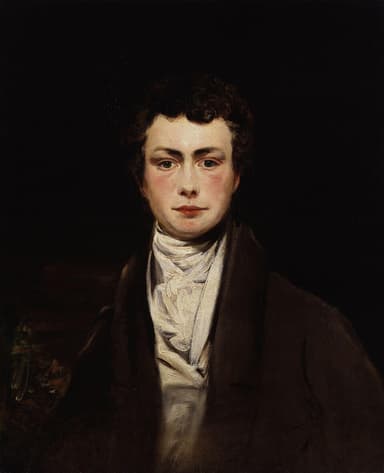
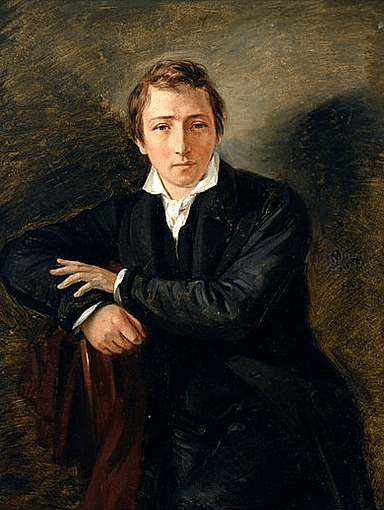
George Gordon Byron was born in London in 1788 to an aristocratic family that had more prestige than stability. His father, Captain John "Mad Jack" Byron, left the family early on, and Byron was raised by his mother in Aberdeen, Scotland, in rather modest conditions — a stark contrast to the title and estate he would inherit later. At the age of ten, he became the 6th Baron Byron, which meant moving to Newstead Abbey in Nottinghamshire, a decaying Gothic mansion that perfectly matched his dramatic temperament.
Byron was born with a clubfoot, a fact that influenced his psychology throughout his life. He felt sensitive about it and compensated with physical bravado — swimming, boxing, and riding — while maintaining a complicated relationship with his body.
“He studied at Harrow and then at Trinity College, Cambridge, where he accumulated debts, kept a pet bear (since dogs were prohibited), and began writing in earnest.”
His first collection, *Hours of Idleness*, was harshly criticized, leading to his sharp retort in the satirical poem *English Bards and Scotch Reviewers*, which made it clear that he wasn’t someone to be trifled with.
Everything changed in 1812 with the release of the first two cantos of *Childe Harold's Pilgrimage*. Byron famously remarked that he woke up one morning to find himself famous, and that was largely true. London society was enchanted by him. He was handsome, titled, brooding, and scandalous — the embodiment of what became known as the Byronic hero: proud, restless, morally complex, and irresistibly attractive.