Poetry is one of the few spaces where anger can be complex. It's not merely a problem to fix or a feeling to control. In poems, anger can take the form of grief wearing a tougher mask. It can be the only genuine reaction to injustice. It can also be tenderness that has run out of patience. Some of the most powerful writing in the English language is filled with fury — consider the Old Testament psalms, the protest poems of the 20th century, and the confessional poets who were unafraid to confront what had been done to them.
Across poems on this theme, you'll notice that anger seldom travels alone. It arrives alongside love, fear, shame, and a strong desire for change. Poets who capture anger effectively tend to avoid easy resolutions — they don’t wrap it up too neatly or turn it into a moral lesson. They allow it to remain complicated, because that’s the true nature of anger. If you're here because something has made you furious and you're seeking a poem that resonates, you're in the right spot.
The Reader's Atlas · Chapter Power & conscience
Poems About Anger in the open canon
What do you do with rage that you can't shake off? That's the underlying question in nearly every search for poems about anger. People come looking because they're furious and want to feel less isolated in their emotions, or because they've seen anger ruin something they cherished and want to grasp how that unfolds,…
- Indexed poems
- 72
- Indexed poets
- 25
- Short poems
- 9
§01 Opening
On anger
A reader's preface to the theme — what to listen for as you move through the poems below.
Where to begin with anger
Three ways in01 · Most-read entry
Anthem for Doomed Youth
by Wilfred Owen, 1920
Read the line-by-line analysis, themes, and historical context for this entry in Storgy's index.
02 · Editor's pick
A Poison Tree
by William Blake, 1794
Read the line-by-line analysis, themes, and historical context for this entry in Storgy's index.
03 · Counterpoint
England in 1819
by Percy Bysshe Shelley, 1819
Read the line-by-line analysis, themes, and historical context for this entry in Storgy's index.
§03 The index
Every poem in this theme
- 01
Anthem for Doomed Youth
Wilfred Owen1920PD - 02
A Poison Tree
William Blake1794PD - 03
England in 1819
Percy Bysshe Shelley1819PD - 04
Soliloquy of the Spanish Cloister
Robert Browning1842PD - 05
The General
Siegfried Sassoon1917Excerpt - 06
A Ballad
Percy Bysshe Shelley—PD - 07
Against Cassius Severus
Horace—PD - 08
Against Maevius
Horace—PD - 09
A Hate-Song
Percy Bysshe Shelley—PD - 10
America
Claude McKay—PD - 11
An Apartment in the Castle of Petrella
Percy Bysshe Shelley—PD - 12
An Old Jew
Henry Wadsworth Longfellow—PD - 13
A Spiritual Woman
D. H. Lawrence—PD - 14
At an Extrumpery Caucus in State Street, Reported by Mr. H. Biglow
James Russell Lowell—PD - 15
Ballad of the Landlord
Langston Hughes—Excerpt - 16
Black Art
Amiri Baraka—Excerpt - 17
Bulls, and Arrange Themselves Quietly Behind the Altar. the Image Of
Percy Bysshe Shelley—PD - 18
By Homer Wilbur, A.m
James Russell Lowell—PD - 19
Caliban on Ariel
Algernon Charles Swinburne—PD - 20
Canidia's Answer
Horace—PD
The remaining 52 poems about anger are indexed but not yet featured here. Use the search index in the footer to surface them.
Notable poets on anger
Cartography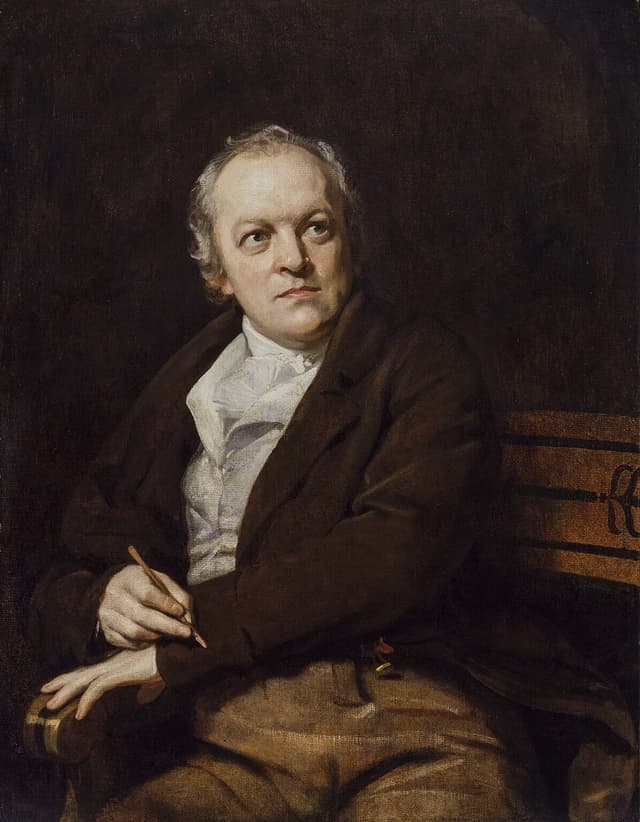
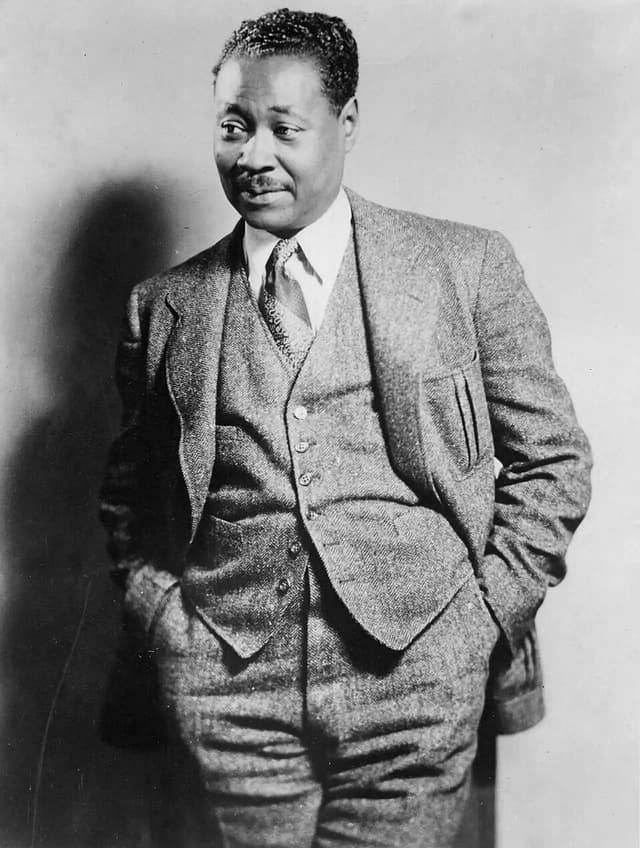


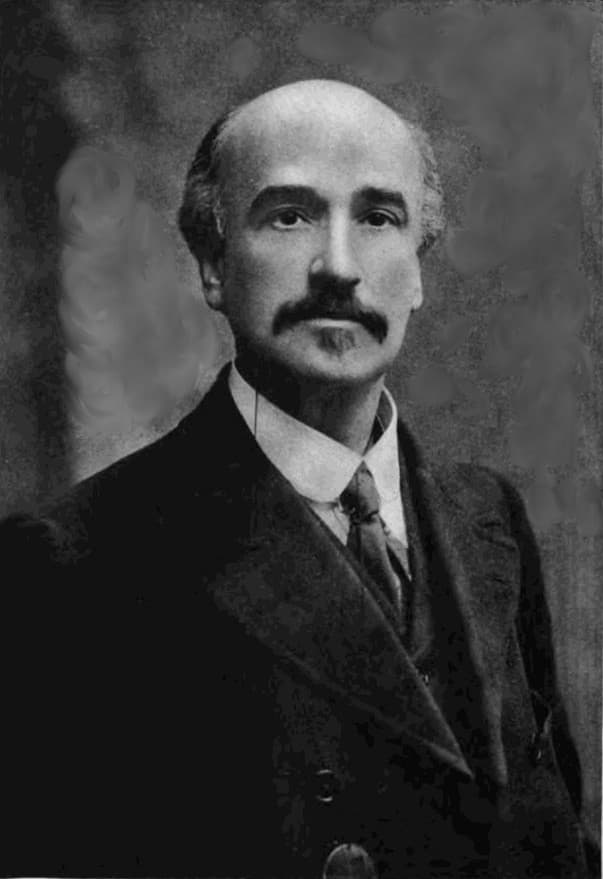


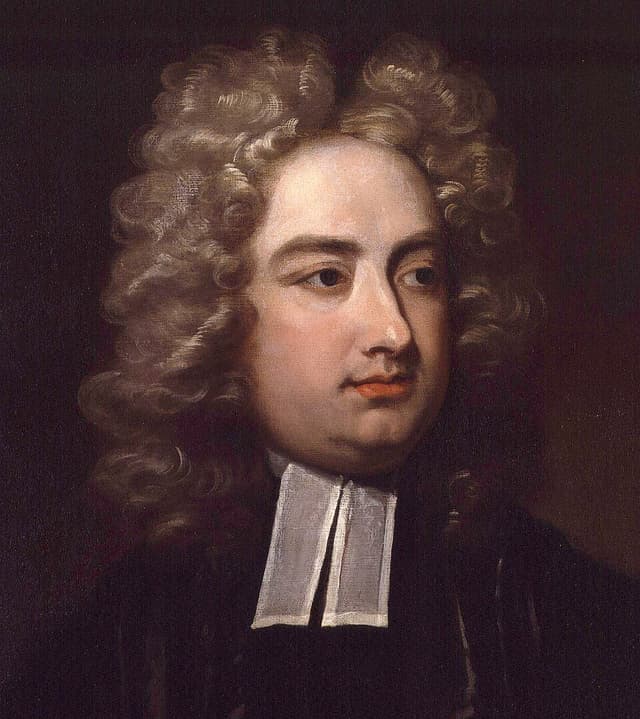
Reading on the move
Short poems about anger
Twelve lines or fewer — a curated facet for the commute, the inbox, the lock screen. Hand-filtered for length, sequenced by canonical weight.
9
Under 12 lines
§04 Reader's questions
Questions about anger poems
Q.01Why do poets write about anger so often?
Answer
Because anger is one of those emotions that really needs to be expressed but often clashes with polite conversation. Poetry provides a container for it—a space where the feeling can be formed without being watered down. Writing about anger also allows us to explore it: where it originates, what it truly seeks, and what it demands from us.
Q.02What's the difference between a poem that expresses anger and one that just vents?
Answer
A poem that simply vents expresses feelings on the page and leaves it at that. In contrast, a poem that engages with anger employs craft—like imagery, rhythm, line breaks, and compression—to evoke emotions in the reader alongside the speaker. The most powerful angry poems go beyond merely documenting a mood; they immerse the reader in an experience.
Q.03Can anger in poetry be a form of love?
Answer
Absolutely. Many of the most powerful angry poems come from a place of love — whether it's for a person, a community, a location, or an ideal of what things could be. The intensity of the anger reflects the depth of the poet's care. When someone writes passionately about injustice or loss, that fury is deeply connected to the attachment that fuels it.
Q.04Are there poems about anger that are also funny?
Answer
Yes, and they're often the sharpest kind. Satirical poetry has always channeled anger effectively, and when paired with comic timing, it can drive a furious point home more powerfully than a serious expression of outrage. The humor doesn't diminish the anger — it sharpens it.
Q.05What's the difference between anger and bitterness in poems?
Answer
Anger in a poem typically targets something and carries a sense of urgency—it seeks change. In contrast, bitterness feels more contained; it's what anger turns into when it loses hope for change. Readers often sense this difference. Angry poems draw you in, while bitter ones can create distance.
Q.06How do poets write about anger without alienating the reader?
Answer
By being specific. Vague, generalized anger is tough to relate to. However, when a poet anchors that anger to a vivid image, a distinct moment, or a specific injustice, readers can engage with it, even if they haven't experienced the same situation. Specificity transforms a personal feeling into a collective one.
Q.07Is there a tradition of women's anger in poetry?
Answer
A long and important one. For centuries, women poets have challenged the cultural pressure to hide their anger, and the 20th century experienced a surge of this work—poets who refused to display calm or gratitude when they felt intense fury. This tradition stands as one of the most significant in modern poetry.
Q.08Can reading poems about anger actually help when you're angry?
Answer
For many people, yes. Not because the poem provides answers, but because simply being recognized can be a relief. Discovering a poem that articulates your emotions precisely—and does so beautifully—can make those feelings feel less lonely and, at times, more manageable.