Skip to content

The Poet Index · Entry 1041

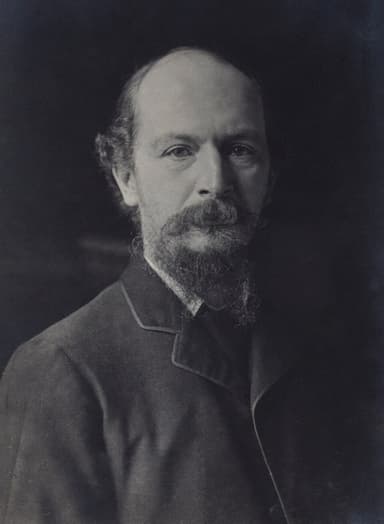
Alfred Noyes
Poems

Lifespan
1880–1958
Nationality
United Kingdom
Indexed Works
61

It highlights Noyes at his most atmospheric and ballad-focused, allowing you to quickly sense his storytelling instincts and mastery of rhythm.

Editorial intro

Nikola Gulevski, Editor, Storgy

About our editor →

Editorial intro

Alfred Noyes wrote a poem so perfectly tuned to the human ear that generations of schoolchildren memorized it without being asked to — "The Highwayman" became one of the most anthologized pieces in the English language not because it was taught; it became anthologized because people kept reaching for it. That is a rare kind of achievement, resting entirely on Noyes's gift for rhythm: a pulse so natural in his lines that reading them silently feels like a waste.

He sat in an awkward spot in literary history — popular on both sides of the Atlantic while modernism was deciding that popularity was suspect. Eliot and Pound won the critical argument, and Noyes faded from serious discussion. This surprises readers who come to him now: how good he actually is on his own terms. His narrative ballads move fast and hit hard. His epic "The Torch-Bearers," which treats the history of science as proper poetic material across three volumes, shows a mind willing to take real intellectual risks. Modern readers should look for momentum — a poet who trusted that a great story, told in a great rhythm, was enough. It still is.

Where to start

The Works

Sort byYearTitle
  1. 01THE PHANTOM FLEET1902
  2. 02The Highwayman1906
  3. 03COTTON-WOOL1907
  4. 04DEAD MAN'S MORRICE1907
  5. 05FISHERS OF MEN1907
  6. 06KILMENY1907
  7. 07NIPPON1907
  8. 08SUNLIGHT AND SEA1907
  9. 09THE GOLDEN HYNDE1908
  10. 10THE MATIN-SONG OF FRIAR TUCK1913
  11. 11IMMORTAL SAILS1918
  12. 12ON THE WESTERN FRONT1918
  13. 13PEACE1918
  14. 14SLAVE AND EMPEROR1918

Recurring themes

Biographical record

About Alfred Noyes

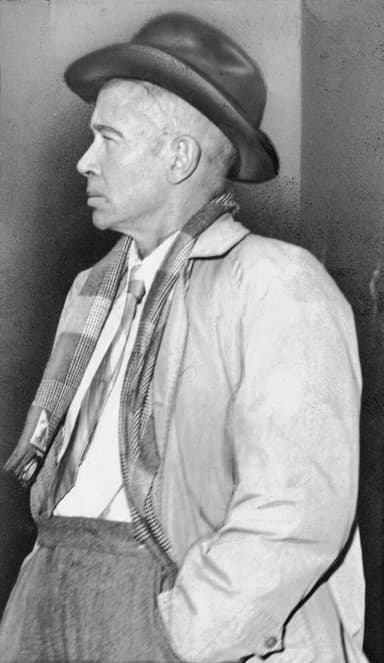
Alfred Noyes was born in Wolverhampton, England, in 1880 and grew up to be one of the most popular English poets of the early twentieth century. He studied at Exeter College, Oxford, but left before earning his degree — his first collection of poems was published in 1902, the same year he was expected to take his finals. That gives you a sense of his priorities.

He quickly found his rhythm. By his mid-twenties, his work was being appreciated on both sides of the Atlantic, and in 1913, he took a professorship at Princeton, spending several years in the United States. This transatlantic experience significantly influenced his writing — he felt a genuine connection to American literary culture that few British poets of his time did, and his poems from that era have a different energy compared to his earlier English works.

Today, Noyes is best remembered for his narrative and ballad-style poems, which move swiftly and tell engaging stories.

He had a natural gift for rhythm that almost begged to be spoken aloud. "The Highwayman," his most famous poem, became one of the most anthologized pieces in the English language, a romantic adventure ballad that generations of schoolchildren have memorized without prompting.

His longer project, an epic poem titled "The Torch-Bearers," occupied much of his middle career. It explored the history of science across three volumes, an unusual focus for poetry and indicating that Noyes took ideas seriously as poetic material.
Biographical span
1880Birth
1958Death
1922Median work

Poets in the same orbit

Reader questions

Frequently asked