Poetry has long been a powerful source for this kind of courage because it doesn’t need to eliminate fear before celebrating the act of bravery. A poem can embrace both emotions simultaneously. It can express *I was afraid* and *I did it* in one breath, and that tension is what brings the subject to life on the page.
Courage in poetry appears in many forms. Sometimes it’s a grand historical act — a soldier’s bravery, a protest, a martyr’s sacrifice. But just as often, it’s the quieter moments: leaving a toxic relationship, speaking an uncomfortable truth, choosing to keep going despite grief. Poets like Emily Dickinson, Seamus Heaney, and Maya Angelou have all explored this theme, emphasizing that courage isn’t about being fearless but rather exists alongside fear.
If you're searching for poems about courage, you might be seeking permission — permission to feel scared and still take action, or reassurance that someone else has experienced what you're going through and made it through. That’s a solid reason to dive into poetry. And it turns out, poetry excels at offering just that.
The Reader's Atlas · Chapter The interior
Poems About Courage in the open canon
What does it mean to be brave when you're scared out of your wits? That’s the question at the heart of nearly every quest for poems about courage. We're not talking about the Hollywood version here — there are no trumpets, no guarantees — but the raw experience: the trembling hand that still reaches out, the voice…
- Indexed poems
- 115
- Indexed poets
- 20
- Short poems
- 21
§01 Opening
On courage
A reader's preface to the theme — what to listen for as you move through the poems below.
Where to begin with courage
Three ways in01 · Most-read entry
Cap'n Storm-Along
by Alfred Noyes, 1922
Read the line-by-line analysis, themes, and historical context for this entry in Storgy's index.
02 · Editor's pick
Huntress
by H. D., 1916
Read the line-by-line analysis, themes, and historical context for this entry in Storgy's index.
03 · Counterpoint
If—
by Rudyard Kipling, 1910
Read the line-by-line analysis, themes, and historical context for this entry in Storgy's index.
§03 The index
Every poem in this theme
- 01
Cap'n Storm-Along
Alfred Noyes1922Excerpt - 02
Huntress
H. D.1916Excerpt - 03
If—
Rudyard Kipling1910PD - 04
If We Must Die
Claude McKay1919PD - 05
Tableau
Countee Cullen1925PD - 06
The Big Black Trawler
Alfred Noyes1922Excerpt - 07
The Golden Hynde
Alfred Noyes1908Excerpt - 08
The Vindictive
Alfred Noyes1922Excerpt - 09
Against Cassius Severus
Horace—PD - 10
Against the Degeneracy of the Roman Youth
Horace—PD - 11
A Mother
Henry Wadsworth Longfellow—PD - 12
A National Song of Denmark
Henry Wadsworth Longfellow—PD - 13
An Incident of the Fire at Hamburg
James Russell Lowell—PD - 14
A Psalm of Life
Henry Wadsworth Longfellow—PD - 15
As I Lay with My Head in Your Lap Camerado
Walt Whitman—PD - 16
A Sledge-Ride on the Ice
Henry Wadsworth Longfellow—PD - 17
A Tragedy in Five Acts
Percy Bysshe Shelley—PD - 18
At the Consecration of Pulaski's Banner
Henry Wadsworth Longfellow—PD - 19
Beowulf's Expedition to Heort
Henry Wadsworth Longfellow—PD - 20
Big Wind
Theodore Roethke—Excerpt
The remaining 95 poems about courage are indexed but not yet featured here. Use the search index in the footer to surface them.
Notable poets on courage
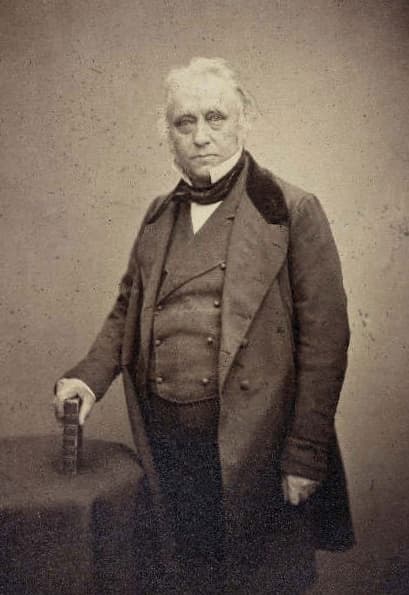
CartographyThomas Babington Macaulay
1800–1859
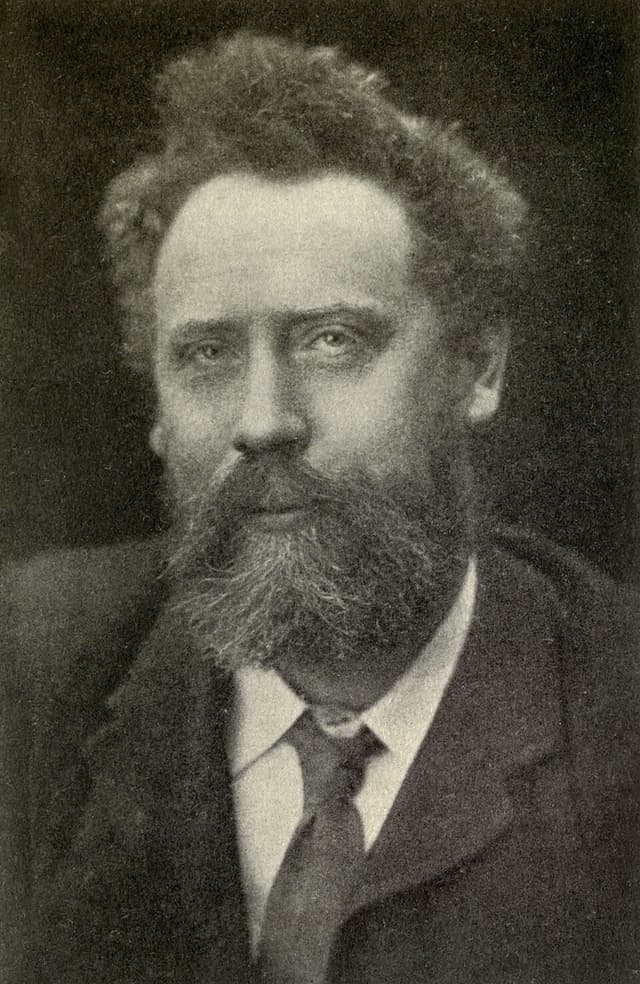
Open profileW. E. Henley
1849–1903
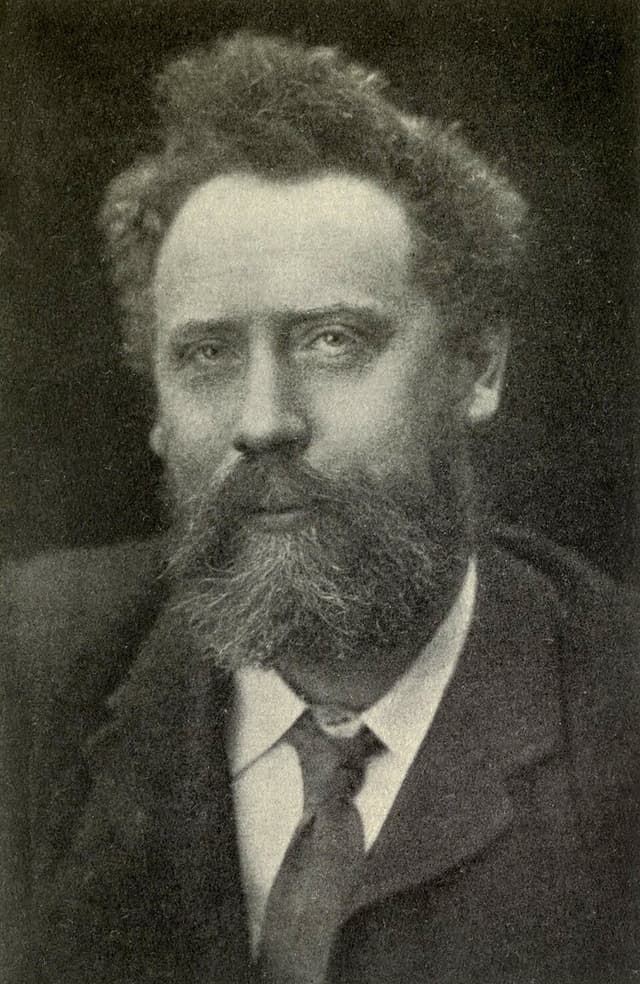
Open profileWilliam Ernest Henley
1849–1903
Open profile- J
Joan Murray
b. 1945
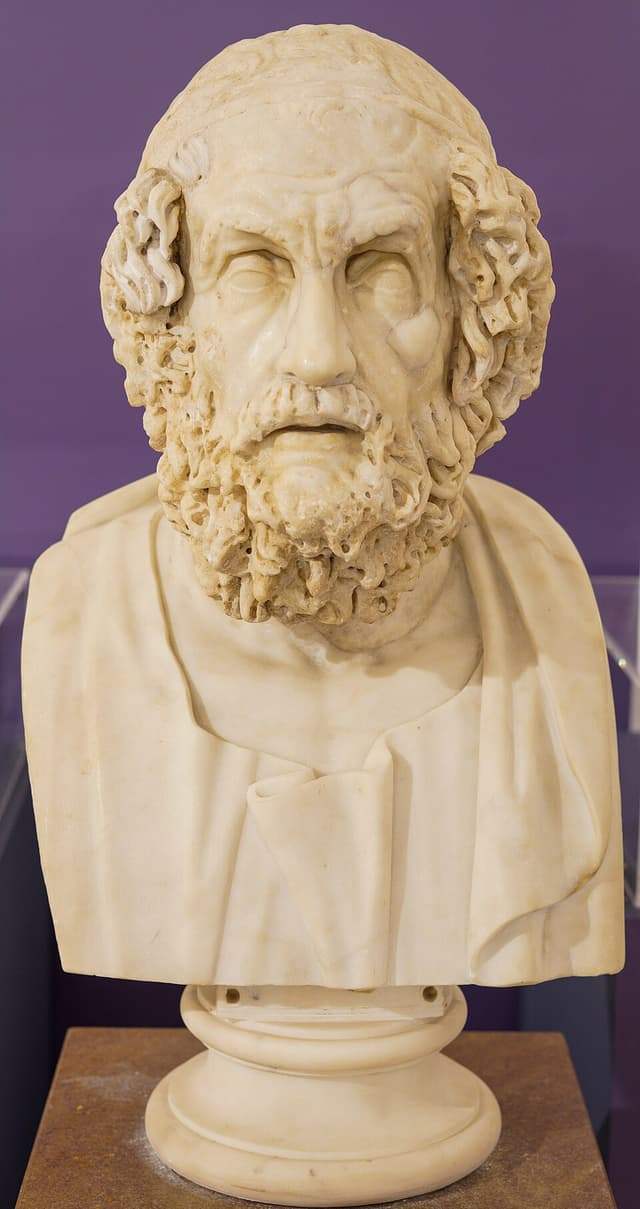
Open profile Homer
900 BCE–800 BCE
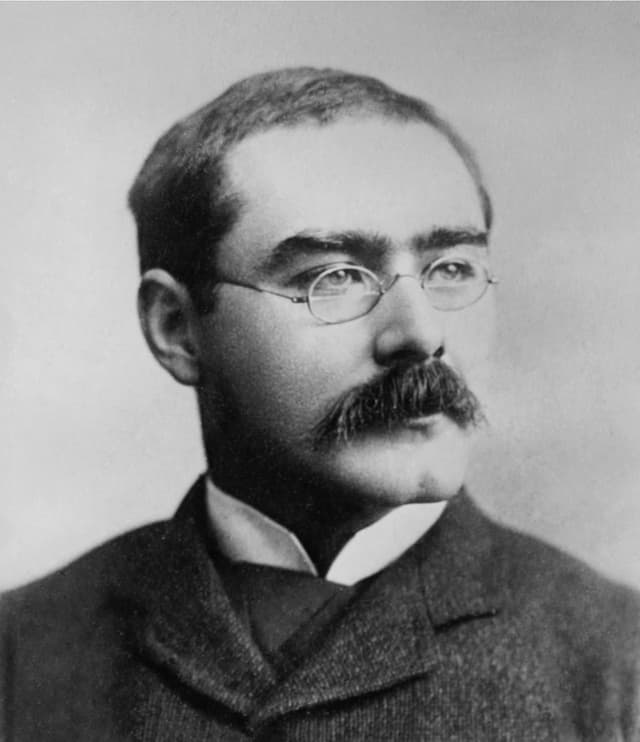
Open profileRudyard Kipling
1865–1936
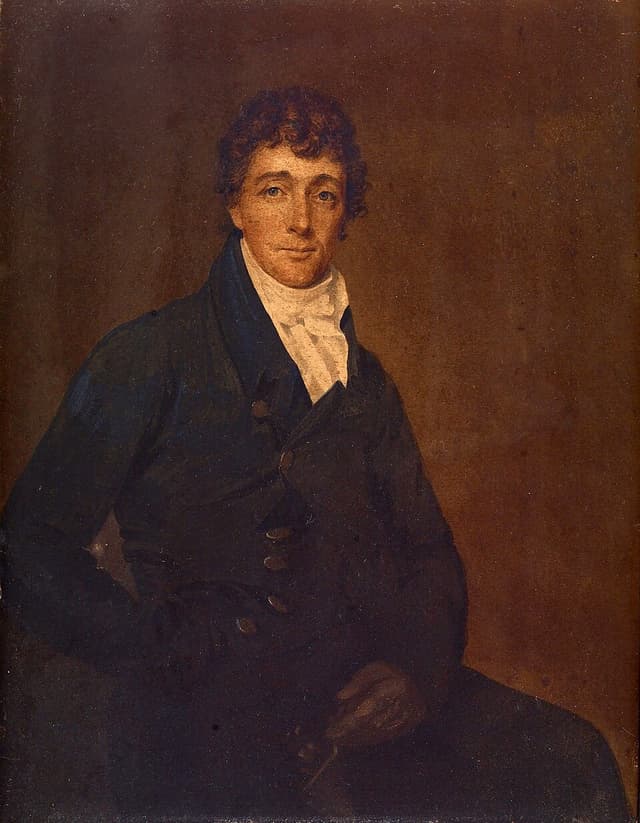
Open profileFrancis Scott Key
1779–1843
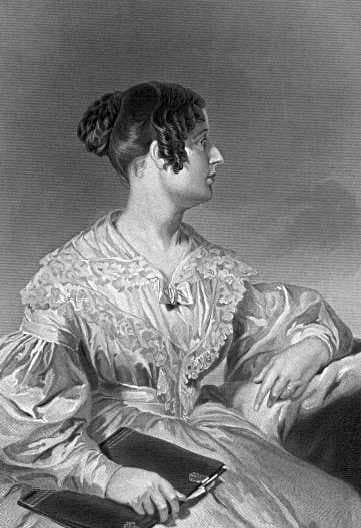
Open profileFelicia Dorothea Hemans
1793–1835
Open profile
Reading on the move
Short poems about courage
Twelve lines or fewer — a curated facet for the commute, the inbox, the lock screen. Hand-filtered for length, sequenced by canonical weight.
21
Under 12 lines
§04 Reader's questions
Questions about courage poems
Q.01What is the most famous poem about courage?
Answer
A handful of poems keep resurfacing. Rudyard Kipling's "If—" is likely the most quoted in English, offering a checklist of what quiet, steadfast courage truly entails. Maya Angelou's "Still I Rise" isn't far behind — it's turned into an anthem of resilience against oppression. For something more concise, Emily Dickinson's "We never know how high we are" delivers a powerful message in just eight lines.
Q.02What's the difference between poems about courage and poems about resilience?
Answer
Resilience means recovering after an event has occurred. Courage, on the other hand, involves the moment of choice either before or during the challenging situation. In poetry, these two concepts frequently intersect, but a poem about courage typically captures the immediacy of the decision, whereas a poem about resilience often reflects on the experience from a perspective of having moved past it.
Q.03Are there poems about courage for children or young readers?
Answer
Yes. Shel Silverstein's work explores bravery in relatable ways, and Robert Louis Stevenson's A Child's Garden of Verses includes several poems about confronting darkness and the unknown. For slightly older readers, Langston Hughes crafted poems about courage and dignity that resonate with teenagers without being condescending.
Q.04Do poems about courage have to be uplifting?
Answer
Not at all. Some of the most genuine poems on this theme end in failure or death. Take Wilfred Owen's war poems, for example; they depict courage without any guarantee of reward or survival. The goal isn't to make you feel good; it's to reveal the truth about the cost of acting in the face of fear.
Q.05What poetic forms work best for the theme of courage?
Answer
There's no straightforward answer, but you'll find that many courage poems often use direct address — speaking either to the reader or to the self. The use of the imperative mood ("Rise," "Do not go gentle") is a frequent feature. Short, declarative lines fit the theme perfectly since they reflect the decisiveness that courage demands. However, some of the most impactful courage poems are lengthy and contemplative, exploring doubt before reaching a conclusion.
Q.06How do poets write about courage without sounding preachy?
Answer
The most effective pieces remain specific and grounded. Rather than just stating that courage matters, they illustrate a single person at a crucial moment making a difficult decision. The message fades away when the imagery is vivid enough. Dickinson, Angelou, and Heaney accomplish this — they rely on particular details to convey broader significance.
Q.07Can a poem about fear also be a poem about courage?
Answer
Absolutely, and many of the best ones are. Fear often plays a crucial role in a poem about genuine courage — without fear, it’s merely confidence, not true courage. Poems that acknowledge fear and then navigate through it usually resonate more than those that jump directly to the act of bravery.
Q.08Where does courage poetry overlap with protest poetry?
Answer
Protest poetry often demands bravery due to its subject matter and context. Writing such a poem becomes a courageous act, especially when targeting powerful individuals or systems. Poets like Audre Lorde, Pablo Neruda, and Anna Akhmatova faced genuine personal risks, making their circumstances an integral part of their work. The courage they express isn't just mentioned; it’s embodied in the very act of writing.