Skip to content

The Poet Index · Entry 124

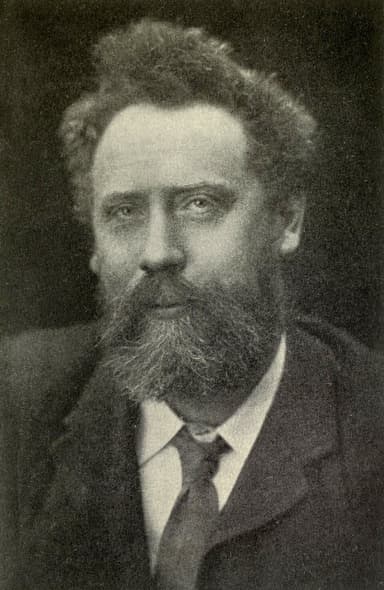
William Ernest Henley
Poems

Lifespan
1849–1903
Nationality
United Kingdom of Great Britain and Ireland
Indexed Works
1

It’s the poem that captures Henley’s outlook in just four stanzas, and reading it first unlocks the emotional undercurrents of all his other work.

Editorial intro

Nikola Gulevski, Editor, Storgy

About our editor →

Editorial intro

William Ernest Henley wrote "Invictus" from a hospital bed while doctors decided whether to amputate his remaining leg — this biographical fact is central. No other Victorian poet transformed a medical ward into a sustained literary sequence like Henley did in "In Hospital," a cycle of poems that addresses pain, boredom, surgical fear, and slow recovery as subjects deserving precise, unsentimental attention. He aimed for accuracy rather than uplift, resulting in work that still feels strikingly modern.

Henley occupies an unusual position in the Victorian landscape, which likely contributes to his being overlooked. He was both an editor and a poet, utilizing that platform to promote Kipling and Hardy before the literary establishment accepted them. Robert Louis Stevenson modeled Long John Silver on him, while J. M. Barrie named Wendy after his daughter. His influence is widespread, yet his name rarely surfaces. First-time readers often express surprise at two aspects: how much tougher "Invictus" becomes with its context, and the quality of "In Hospital" once they discover it. Starting there, Henley transcends being a mere one-poem footnote.

Where to start

The Works

Sort byYearTitle
  1. 01InvictusUndated

Recurring themes

Biographical record

About William Ernest Henley

William Ernest Henley was born in Gloucester, England, in 1849, into a family that faced early struggles. As a child, he contracted tuberculosis of the bone, which resulted in the amputation of his left leg below the knee in his early twenties. He spent nearly two years at Edinburgh Infirmary under the care of pioneering surgeon Joseph Lister, and it was during this long, painful stay that he penned the poems that would eventually earn him fame — most notably "Invictus."

That time in the hospital influenced every aspect of Henley's writing. He could have easily succumbed to self-pity, but he chose not to. The defiance present in his work is genuine; it stems from a man who truly confronted suffering and resolved to persevere.

After his recovery, Henley immersed himself in London's literary scene with remarkable vigor.

He edited several influential journals, particularly the Scots Observer (later known as the National Observer), using these platforms to promote writers he believed in. He was among the first editors to feature Rudyard Kipling and Thomas Hardy in significant publications, and his taste and courage played a key role in shaping late-Victorian literature, often without the recognition it deserves.

Henley also shared a close friendship with Robert Louis Stevenson. The two met in Edinburgh during Henley's hospital stay and formed a bond that led to several co-written plays. Stevenson, who observed Henley navigating life on a crutch with cheerful determination, later remarked that Henley inspired the character Long John Silver in Treasure Island — a figure whose physical limitations do not overshadow his vibrant personality.
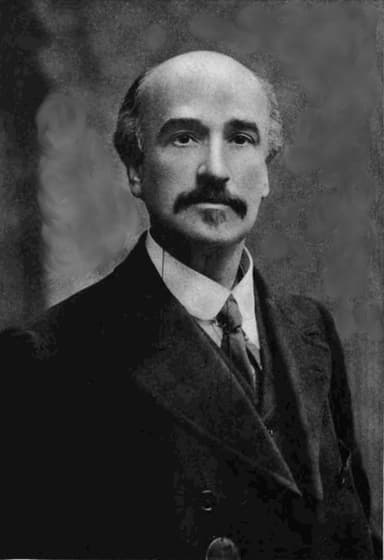
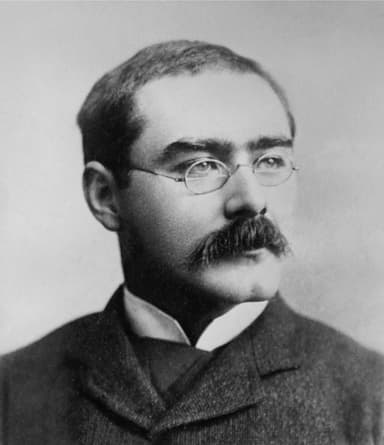
Biographical span
1849Birth
1903Death

Poets in the same orbit

Reader questions

Frequently asked