Skip to content

The Poet Index · Entry 1046

Amy Lowell
Poems

Lifespan
1874–1925
Nationality
United States
Indexed Works
18

It's the title poem of her debut collection, offering a glimpse into her beginnings.

Editorial intro

Nikola Gulevski, Editor, Storgy

About our editor →

Editorial intro

Amy Lowell took a movement that Ezra Pound had already left and turned it into the dominant conversation in American poetry on her own terms, through sheer editorial force and a reading-room presence that no one else in imagism could match. She edited three successive "Some Imagist Poets" anthologies between 1915 and 1917, effectively building the American audience for the movement while Pound was busy dismissing her for it. The dismissal, marked by the nickname "Amygism," reveals his annoyance at her success.

Lowell sits at the hinge between Victorian formalism and the free-verse twentieth century, offering valuable insights into how that shift occurred in practice. She influenced a generation of American poets seeking permission to write plainly and visually. First-time readers often find two surprising aspects: the sensory and immediate nature of her best poems, and the openly personal tone of some—especially the poems for Ada Dwyer Russell, which convey an emotional directness that contrasts with her public persona of cigars and bluster. She died at 51, won the Pulitzer posthumously, and still receives less credit than she deserves.

Where to start

The Works

Sort byYearTitle
  1. 01A DOME OF MANY-COLOURED GLASSUndated
  2. 02AGED 22Undated
  3. 03BANG!!Undated
  4. 04BRONZE TABLETSUndated
  5. 05CRASH!Undated
  6. 06FIGURINES IN OLD SAXEUndated
  7. 07MEN, WOMEN AND GHOSTSUndated
  8. 08PatternsUndated
  9. 09PEACE!Undated
  10. 10PRESS NOTICESUndated
  11. 11SONNETSUndated
  12. 12SWORD BLADES AND POPPY SEEDUndated
  13. 13THE BOSTON ATHENAEUMUndated
  14. 14The MowersUndated
  15. 15THE OVERGROWN PASTUREUndated
  16. 16Toll of the SeaUndated
  17. 17VERSES FOR CHILDRENUndated
  18. 18WAR PICTURESUndated

Recurring themes

Biographical record

About Amy Lowell

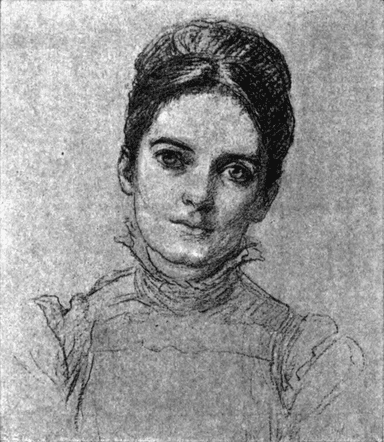
Amy Lowell was born in 1874 into one of New England's leading families — the same Lowells who established Boston's Lowell Institute and Harvard's Lowell lectures. Growing up at the family estate, Sevenels, in Brookline, Massachusetts, she had access to an extensive private library and read voraciously from a young age. Although her formal education was limited compared to her brothers', she found ways to learn that mattered more: she read widely, traveled, and observed the world around her closely.

She didn't release her first book of poetry until she was 38, which is considered a late start. That debut, *A Dome of Many-Coloured Glass* (1912), was conventional enough to attract little attention. A turning point came in 1913 when she traveled to London, met Ezra Pound, and connected with the imagist group. The imagists rejected Victorian ornamentation — aiming instead for clear images, precise language, and free verse that earned its freedom. Lowell embraced these ideas seriously but also forged her own path.

She emerged as one of the most prominent advocates for imagism in America, editing three anthologies titled "Some Imagist Poets" between 1915 and 1917.

Pound, who had moved on to his own work, referred to her interpretation of the movement as "Amygism" — a slight, yet one that recognized her genuine influence. Lowell didn't seem to take offense.

A large woman who smoked cigars, Lowell delivered electrifying public readings and openly expressed her strong opinions. For the last decade of her life, she lived with actress Ada Dwyer Russell, who inspired some of her most personal poems. She wrote in a style she called "polyphonic prose" — a blend of prose and poetry that utilized rhythm, alliteration, and imagery without adhering to a strict line structure.

Biographical span
1874Birth
1925Death

Poets in the same orbit

Reader questions

Frequently asked