Fear appears in poetry in two main forms. The first is the sudden, visceral kind — the instinctive alarm that floods the body before the mind can catch up. The second is more insidious and lingering: the anticipatory dread of loss, failure, death, or the unknown. Poets have always understood that this latter type is more compelling, as it resides in the imagination rather than the tangible world.
What makes fear such a rich topic for poetry is its position at the limits of what language can express. Poets reach for themes of darkness, cold, paralysis, and silence because fear itself often eludes words. The most impactful poems about fear don’t seek to rationalize it — they recreate its essence, making the experience of reading the poem feel a bit like being afraid. That’s the magic, and when it succeeds, it’s one of the most potent effects poetry can achieve.
The Reader's Atlas · Chapter The interior
Poems About Fear in the open canon
What do people truly seek when they look for poems about fear? It's usually not just a textbook definition — it's a sense of connection. They want a poem that captures the anxiety that jolts them awake at 3 a.m. or the unease that lurks quietly behind an otherwise ordinary Tuesday. Fear is one of the oldest themes in…
- Indexed poems
- 108
- Indexed poets
- 9
- Short poems
- 14
§01 Opening
On fear
A reader's preface to the theme — what to listen for as you move through the poems below.
Where to begin with fear
Three ways in01 · Most-read entry
Acceptance
by Robert Frost, 1928
Read the line-by-line analysis, themes, and historical context for this entry in Storgy's index.
02 · Editor's pick
A Poison Tree
by William Blake, 1794
Read the line-by-line analysis, themes, and historical context for this entry in Storgy's index.
03 · Counterpoint
Bayonet Charge
by Ted Hughes, 1957
Read the line-by-line analysis, themes, and historical context for this entry in Storgy's index.
§03 The index
Every poem in this theme
- 01
Acceptance
Robert Frost1928Excerpt - 02
A Poison Tree
William Blake1794PD - 03
Bayonet Charge
Ted Hughes1957Excerpt - 04
Death Be Not Proud
John Donne1633PD - 05
Pursuit
H. D.1916Excerpt - 06
Storm
H. D.1916Excerpt - 07
Storm on the Island
Seamus Heaney1966Excerpt - 08
Strange fits of passion have I known
William Wordsworth1800PD - 09
Thanatopsis
William Cullen Bryant1817PD - 10
The Cool Web
Robert Graves1927Excerpt - 11
The Farmer's Bride
Charlotte Mew1916PD - 12
The Second Coming
W. B. Yeats1920PD - 13
An Apartment in the Castle
Percy Bysshe Shelley—PD - 14
An Apartment in the Castle of Petrella
Percy Bysshe Shelley—PD - 15
An Apartment in the Cenci Palace
Percy Bysshe Shelley—PD - 16
A Narrow Fellow in the Grass
Emily Dickinson—PD - 17
Another Version of the Preceding
Percy Bysshe Shelley—PD - 18
Anxiety
D. H. Lawrence—PD - 19
Azrael
Henry Wadsworth Longfellow—PD - 20
Before the Castle of Petrella
Percy Bysshe Shelley—PD
The remaining 88 poems about fear are indexed but not yet featured here. Use the search index in the footer to surface them.
Notable poets on fear
Cartography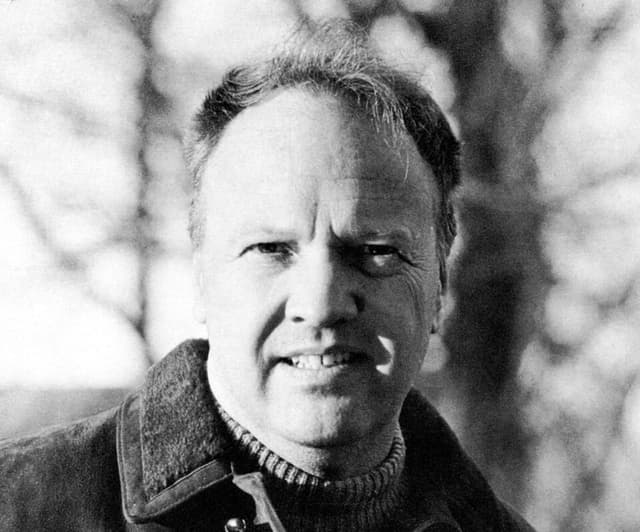
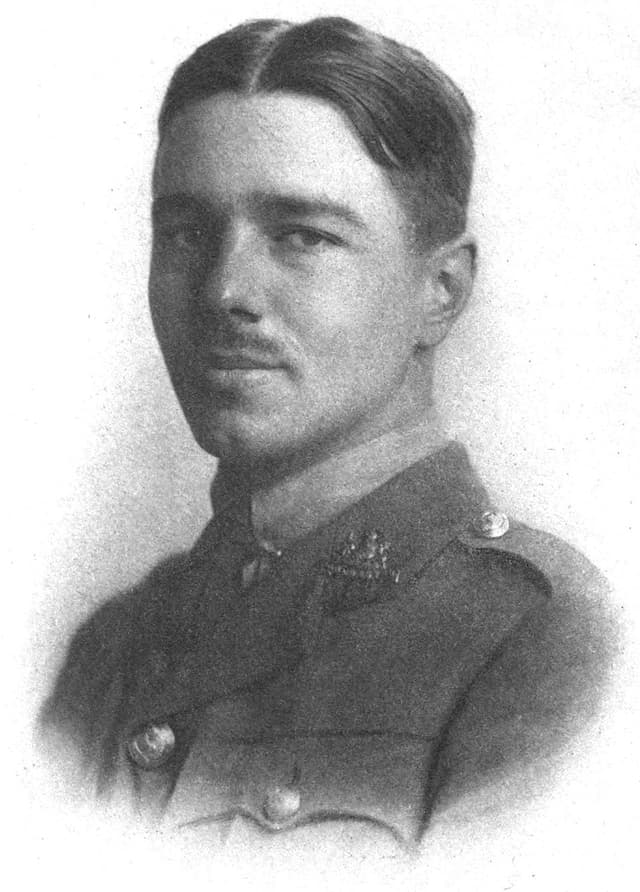
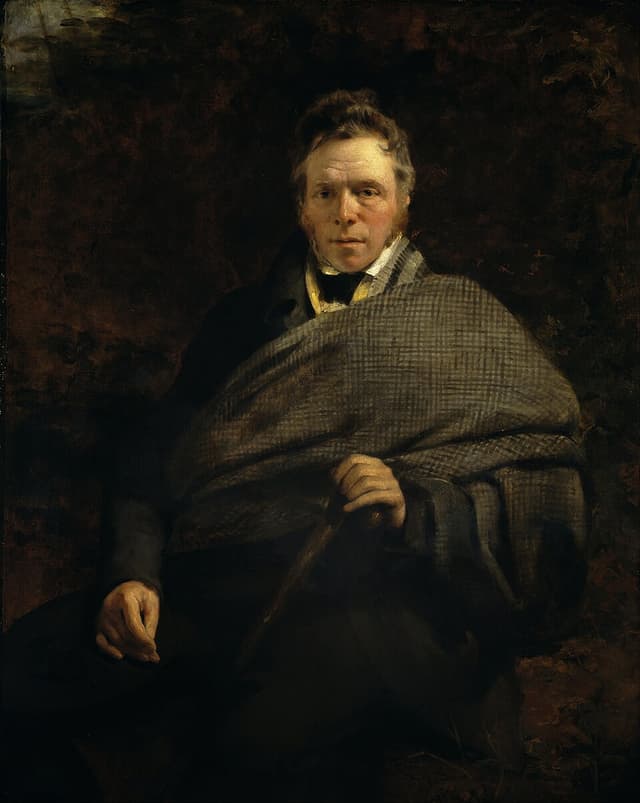
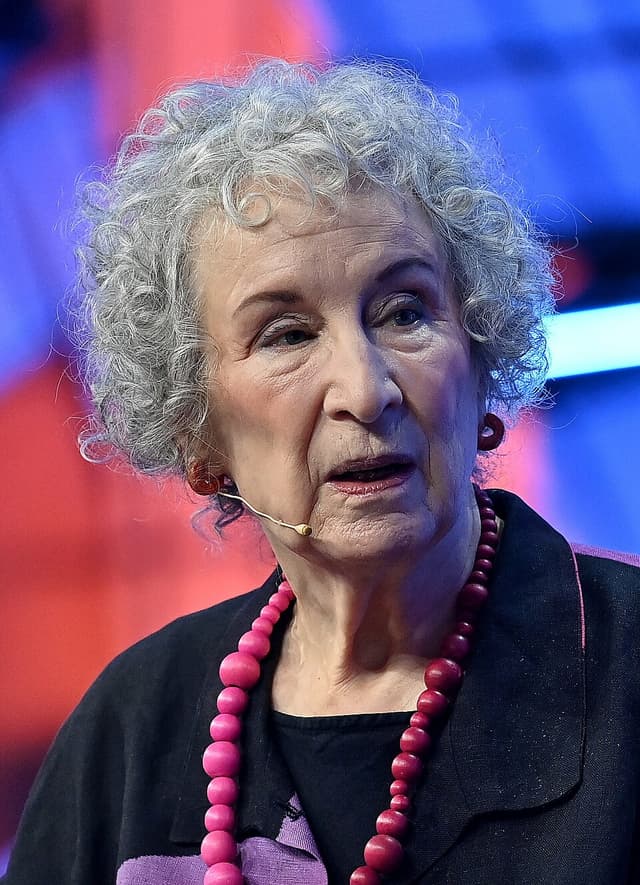
Reading on the move
Short poems about fear
Twelve lines or fewer — a curated facet for the commute, the inbox, the lock screen. Hand-filtered for length, sequenced by canonical weight.
14
Under 12 lines
§04 Reader's questions
Questions about fear poems
Q.01Why do poets write about fear so often?
Answer
Fear is something everyone experiences, affecting both our bodies and minds in ways we all understand. This common experience is what poetry truly feeds on. Writing about fear allows poets to push the boundaries of expression, as it's often the emotion we're least equipped to discuss in everyday conversations.
Q.02What's the difference between fear and dread in poetry?
Answer
Fear in poems often feels immediate — it's about a specific threat or a sudden shock. Dread, on the other hand, is slower and more spread out: it’s the nagging sense that something bad is looming without a clear idea of what it is. Some of the most memorable poems about fear actually explore dread, because dread thrives in the imagination, providing the poet with richer material to work with.
Q.03Are poems about fear always dark or depressing?
Answer
Not at all. Some poems about fear can be darkly humorous, others tender, and some even wrap up with a sense of relief or triumph. The topic is weighty, but poets tackle it from all sorts of perspectives. A poem can address fear genuinely without leaving the reader feeling defeated.
Q.04What poetic forms work well for expressing fear?
Answer
Short, clipped lines can capture the breathlessness of acute fear. Longer, winding sentences can reflect how dread often loops back on itself. Many poets also employ fragmentation—using broken syntax, white space, and incomplete thoughts—to immerse the reader in the disorientation that fear creates.
Q.05How do poets make fear feel real on the page without just describing it?
Answer
The most effective examples rely on physical sensations and vivid imagery instead of simply using the word 'fear.' Coldness, darkness, tightness, silence, and the sound of a heartbeat — these elements immerse the reader in the experience, engaging their body rather than just their mind.
Q.06Can reading poems about fear actually help with real-life anxiety?
Answer
Many readers agree. Seeing a poem articulate and define your private fear can help you feel less alone and lost in it. While it doesn't solve the problem, it can make the fear seem more manageable—something with defined edges that you can examine.
Q.07What's the difference between horror in poetry and fear in poetry?
Answer
Horror dives into the grotesque and the supernatural — aiming to shock or disgust. In contrast, fear in poetry is more intimate and personal. A horror poem presents a monster, while a fear poem evokes the sensation of standing alone in the dark, and that alone is sufficient.