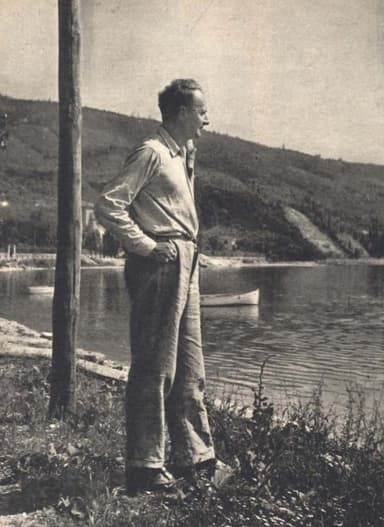
Friedrich Schiller was born on November 10, 1759, in Marbach am Neckar, in present-day Germany. He grew up in a modest environment — his father was a military officer, and the family moved often to follow his postings. As a teenager, Schiller was compelled to attend the Karlsschule Stuttgart, a strict military academy established by Duke Karl Eugen of Württemberg, against his wishes. His ambition was to study theology; the Duke, however, had other plans. Schiller ended up studying law and then medicine, spending those years quietly simmering with frustration — an experience that fueled the rebellious spirit of his early writing.
His first play, *The Robbers*, premiered in 1782 when Schiller was just 22. The audience reportedly went wild. The play's defiant hero resonated during a time filled with Enlightenment ideals and dissatisfaction with aristocratic authority. The Duke was less enthusiastic and prohibited Schiller from writing anything other than medical texts. Schiller ultimately fled the duchy, leading to years of financial instability and restless wandering through German-speaking regions.
“Throughout the 1780s and 1790s, he wrote extensively — plays, poetry, philosophical essays, and serious historical works.”
His exploration of the Thirty Years' War resulted in the *Wallenstein* trilogy, which remains one of the high points of German-language drama. He also formed a close and genuinely fruitful friendship with Goethe, with both men inspiring each other's thinking and writing during the last decade of Schiller's life. This friendship stands out as one of the most remarkable creative partnerships in literary history.
Schiller's poetry carries the same hefty idealism as his plays. He believed art served a moral purpose — not in a preachy way, but in the sense that beauty and freedom were intrinsically linked, and that experiencing great art could enhance one's humanity. His *Ode to Joy*, written in 1785, embodies that belief: a hymn celebrating universal brotherhood and the joy that comes from transcending the self. The fact that Beethoven chose it as the choral finale of his Ninth Symphony over three decades after Schiller's death speaks to the lasting impact of that vision.