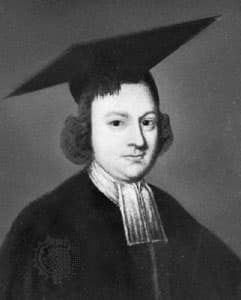
Gilbert Keith Chesterton was born in London in 1874 and grew up in a comfortable middle-class family that nurtured his early passion for art and storytelling. He studied at the Slade School of Fine Art but eventually found his true calling in journalism and writing, much to his delight. By the time he reached his twenties, he was churning out essays, criticism, and fiction at a remarkable pace that left his peers in awe, and he never really slowed down.
Today, Chesterton is perhaps best known as the creator of Father Brown, the unassuming Catholic priest who unravels crimes by understanding human sin rather than relying on forensic skills. However, that series is just a small part of his vast body of work, which includes novels, plays, biographies, theological writings, and a significant amount of poetry. In 1922, he converted to Roman Catholicism, a decision that surprised no one who had been following his writing closely—he had been exploring Catholic themes for years before making it official.
“What sets Chesterton apart as a poet is what distinguishes him as a prose writer: his love for reversals.”
He builds an argument or image toward what seems like an obvious conclusion, then turns it on its head. The outcome can be either dazzling or frustrating, depending on your appetite for paradox, but it’s never unintentional. He believed the universe was genuinely strange and that a writer's mission was to evoke that strangeness in readers, much like how a child experiences the world before familiarity dulls it.
His poetry often leans towards the ballad and hymn forms—characterized by strong rhythms, clear rhymes, and a voice meant for the public rather than the private. He wasn’t a confessional poet and showed little interest in introspection for its own sake. Instead, he aimed to make bold claims about existence and present them with resonance. While he could be thunderously polemical, his finest poems convey their arguments lightly, nestled within vivid imagery or characters that do the heavy lifting without sounding didactic.