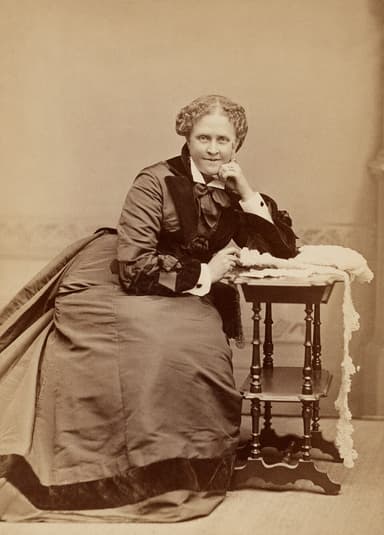
Aemilia Lanyer was born in London in 1569, the daughter of Baptista Bassano, a court musician of Italian descent who served under Elizabeth I. This background—cultured, connected to the court, but never quite part of its inner circle—shaped her life and her writing. After her father died, she became the mistress of Henry Carey, Lord Hunsdon, the Lord Chamberlain, who was nearly forty years her senior. When she became pregnant, she was quickly married off to Alfonso Lanyer, another court musician, marking the end of her closeness to power.
She spent years trying to regain some financial stability—running a school for a time and fighting legal battles over her husband's estate after he passed away—and the struggle never really eased. Yet, amid all that, she wrote.
“In 1611, she published *Salve Deus Rex Judaeorum*, a collection that stands out as one of the most remarkable volumes of English-language poetry from the early seventeenth century.”
The title poem retells the Passion of Christ, but Lanyer uses this framework to make a sustained argument about the moral worth of women. Her "Eve's Apology in Defense of Women"—included within the longer work—is the passage most readers encounter first, and for good reason: it takes the oldest story used to blame women for human suffering and flips it completely. Lanyer argues that Eve sinned out of a desire for knowledge, while the men who condemned Christ sinned out of spite and cowardice. The logic is sharp, and the tone is fearless.
The collection also features a series of dedicatory poems addressed to noblewomen and a country-house poem, "The Description of Cooke-ham," which some scholars consider the first country-house poem in English—predating Ben Jonson's "To Penshurst" by several years.